






White-nosed Coati
Nasua narica
The White-nosed Coati is a playful animal with a long nose and a bushy tail. They love to explore and can often be seen climbing trees or searching for food in groups.
Hábitat: Forests
The White-nosed Coati has a long, flexible, upturned snout that is lighter in color than its dark brown or reddish-brown fur. Its slender body is accented by a long, often ringed tail, and lighter markings usually frame its eyes and face.
Categoría
MamíferosRareza
Common
Peligro
2/5 · Bajo
Snaps
¡Sé la primera persona en hacer un snap!
Females live in social groups called 'bands,' while adult males prefer to live alone!
Their name 'coati' might come from an indigenous word meaning 'nose ring'!
They can communicate using a variety of squeaks, grunts, and chirps!
White-nosed Coatis belong to the same animal family as raccoons!
White-nosed Coati can swivel and poke its flexible snout into crevices, helping them find hidden insects and fruits underground.
White-nosed Coati has flexible ankle joints that help them rotate their feet and descend trees headfirst with ease.
White-nosed Coati has a long, ringed tail that helps them balance perfectly while navigating narrow branches or rocky terrain.
Omnivores, they munch on tasty fruits, insects, and small creatures found on the ground and in trees.
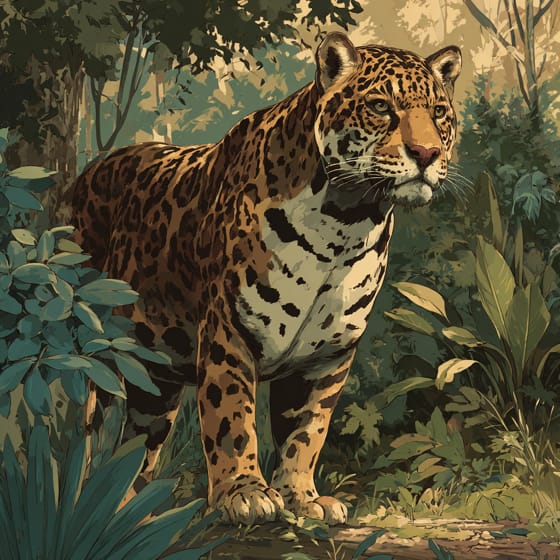
Panthera onca
A top predator in its rainforest habitat.
Leopardus pardalis
A stealthy cat that hunts smaller mammals.
Ficus insipida
Coatis regularly consume the ripe fruits of this tree.
Boa constrictor
Large snakes can ambush coatis on the ground or in trees.
Peludo describe a los animales que poseen una cubierta densa de pelo o pelaje suave.
Las plantas trepadoras o enredaderas se caracterizan por un hábito de crecimiento que les permite ascender enrollándose o usando zarcillos o raíces adhesivas.
Los animales sociales viven en grupos organizados, cooperando para obtener beneficios de supervivencia como la búsqueda de alimento, la defensa y la cría de descendencia.
Este rasgo identifica organismos cuya dieta incluye tanto materia vegetal como animal.

Los animales arborícolas viven principalmente en los árboles, utilizándolos como refugio, alimento y protección contra los depredadores.

Los hábitats boscosos son entornos terrestres dominados por una densa cubierta arbórea, que sustentan una gran diversidad de vida animal y vegetal.

Los animales diurnos están activos principalmente durante el día y suelen descansar o dormir por la noche.
Peligro
2/5 · Bajo
Watch from a distance and do not try to touch or feed wild animals.
41-67 cm
2-6 kg
7-15 años
30 km/h
Omnivores, they munch on tasty fruits, insects, and small creatures found on the ground and in trees.
Forests
Foraging
2-7
Acércate para separar los grupos y explorar dónde se ha fotografiado este objeto.
Los snaps recientes aparecerán aquí a medida que se añadan nuevas observaciones.












.jpg&width=800)
