






White-spotted Sawyer
Monochamus scutellatus
The White-spotted Sawyer is a long, slender beetle with beautiful white spots on its dark body. It loves to live in forests and plays an important role in nature by helping to break down dead trees.
Hábitat: Forests
The White-spotted Sawyer is a large, black longhorn beetle with a shiny, iridescent body. Its wing covers are marked with scattered white or grayish spots, giving it a mottled appearance. Males have extremely long antennae, often twice their body length.
Categoría
InsectosRareza
Common
Peligro
1/5 · Muy bajo
Snaps
¡Sé la primera persona en hacer un snap!
Adults are super attracted to the smell of fresh-cut wood.
Larvae are called "sawyers" because they chew wood so loudly!
Males have antennae longer than their entire body!
They help forests by breaking down dead trees into soil.
White-spotted Sawyer larvae can tunnel deep into dead or dying trees, helping them decompose wood and find food.
White-spotted Sawyers have extra-long antennae that help them detect food, mates, and danger in their environment.
White-spotted Sawyers can fly across forests to find fresh wood for their larvae or new mates to reproduce.
White-spotted Sawyers have strong mandibles that help adults chew on bark and create small holes for laying eggs.
Adults nibble on conifer needles and bark, while larvae feast on dead wood.
Diferencias por edad: Larvae eat dead wood, adults primarily feed on conifer needles and bark.
Picea glauca
Larvae tunnel and feed on dead spruce wood.
Pinus strobus
Larvae infest and consume wood of dead pine trees.
Abies balsamea
Adults feed on needles, larvae infest dead fir.
Picoides arcticus
Woodpeckers drill to find and eat beetle larvae.
Marcado con manchas o parches de un color diferente.
Los animales solitarios viven solos durante la mayor parte de su vida y solo interactúan con otros para aparearse o cuidar de sus crías.
El camuflaje describe a los organismos que poseen colores o patrones que les permiten mezclarse con su entorno.
Este rasgo caracteriza a los organismos cuya dieta consiste total o principalmente en material vegetal.

Los hábitats boscosos son entornos terrestres dominados por una densa cubierta arbórea, que sustentan una gran diversidad de vida animal y vegetal.

Describe a los organismos que descomponen la materia orgánica muerta, reciclando los nutrientes de vuelta al ecosistema.

Describe una especie cuya presencia y papel tienen un efecto desproporcionadamente grande en su entorno.

Describe organismos que transfieren polen, permitiendo la fertilización y reproducción de las plantas.
Todavía no hay alias listados.
Peligro
1/5 · Muy bajo
These beetles are not harmful, but it's best to look and not touch them.
25-50 mm
12-25 mm
30-60 días
Adults nibble on conifer needles and bark, while larvae feast on dead wood.
Forests
Foraging
6
Acércate para separar los grupos y explorar dónde se ha fotografiado este objeto.
Los snaps recientes aparecerán aquí a medida que se añadan nuevas observaciones.
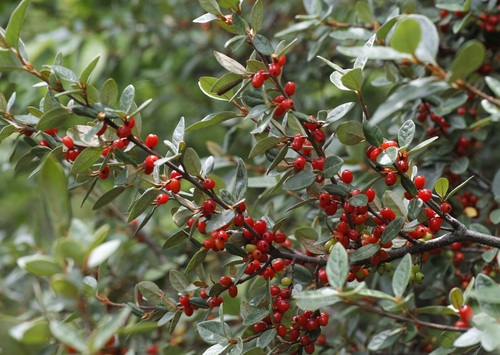
British Columbia, CA
Puedes ver Canadian Buffalo-Berry, Oregon Boxwood y Pacific Trillium.
Ver guía →
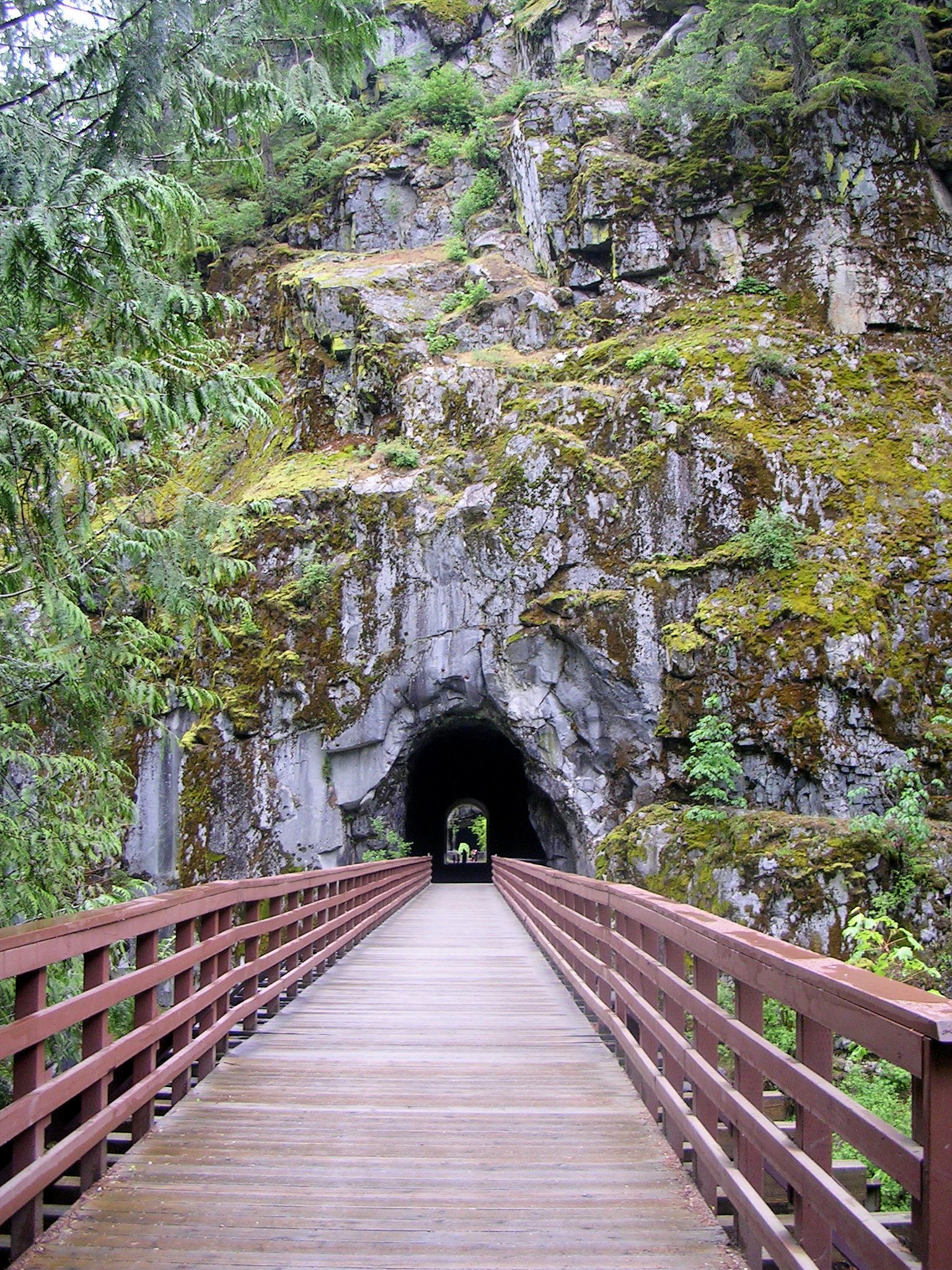
British Columbia, CA
Puedes ver Western Sword Fern, Vine Maple y Thimbleberry.
Ver guía →
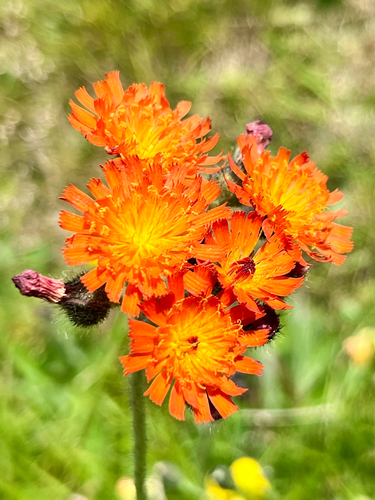
British Columbia, CA
Puedes ver Orange Hawkweed, Shinyleaf Meadowsweet y Columbia Lily.
Ver guía →

British Columbia, CA
Puedes ver White Pasqueflower, Hoary Marmot y Columbian Ground Squirrel.
Ver guía →

Washington, US
Puedes ver Cascade Oregon-Grape, Abeto De Douglas y Salal.
Ver guía →













