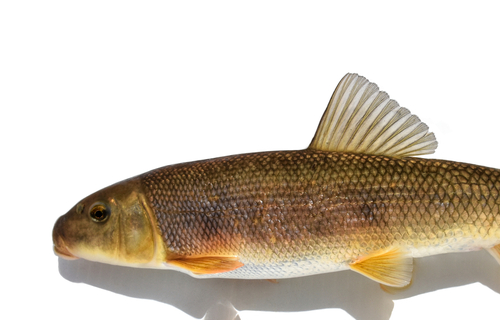


White Sucker
catostomus commersonii
The White Sucker is a highly resilient and adaptable freshwater fish native to a vast range of streams, rivers, and lakes across North America. Often referred to as the 'common sucker,' this species is easily recognized by its distinctive downward-facing mouth, which it uses to vacuum up nutrients from the riverbed. Although sometimes overlooked by sport fishers, the White Sucker plays an incredibly important role in freshwater ecosystems. It acts as a vital bridge in the food web, converting bottom-dwelling invertebrates and organic matter into biomass that feeds larger predatory fish like Northern Pike and Walleye, as well as avian predators like eagles and ospreys. During the spring, they undertake impressive spawning migrations into shallow, gravelly tributaries, turning streams into bustling highways of aquatic life. Their ability to tolerate high levels of turbidity and moderate pollution makes them an excellent indicator of overall environmental health. This robust species is a fascinating example of evolutionary adaptation, perfectly suited to its benthic lifestyle.
Hábitat: Found in clear to turbid waters of small streams, large rivers, and lakes, typically associated with gravelly, sandy, or muddy bottoms.
The White Sucker features a long, cylindrical, torpedo-shaped body with a rounded snout and a highly distinctive subterminal mouth located on the underside of its head, equipped with thick, fleshy, papillose lips. Its coloration typically ranges from dark greenish-brown to brassy or almost black on the upper dorsal side, gradually fading to a lighter brassy-yellow on the flanks and a stark, clean silvery-white on the belly. Adult specimens generally measure between 30 and 50 centimeters in length and lack any sharp spines in their fins, possessing instead soft rays. During the spring spawning season, mature males develop a dark lateral stripe along their sides, a pinkish flush, and small, sand-like bumps called nuptial tubercles on their anal fin and lower tail.
Categoría
PecesRareza
Common
Peligro
1/5 · Muy bajo
Snaps
¡Sé la primera persona en hacer un snap!
Despite being very bony, they are historically consumed by humans and are often referred to as 'mullet' in local markets.
Their massive spring spawning runs can pack shallow creeks from bank to bank, turning the water into a shimmering mass of fish.
They act as crucial 'nutrient conveyors', moving essential nutrients from rich lake basins up into nutrient-poor headwater streams.
Its downward-oriented mouth acts as an efficient vacuum, allowing it to suck up organic material and invertebrates from the substrate without tilting its body.
Possesses an exceptional tolerance for low oxygen levels, high turbidity, siltation, and moderate levels of chemical pollution.
During breeding season, males grow temporary hardened bumps to help maintain physical contact with spawning females in rapid river currents.
The White Sucker is a benthic generalist that vacuums the river or lake bed, consuming small invertebrates, algae, detritus, and plant matter.
Diferencias por edad: Larvae and young fry feed near the surface on plankton and small suspended micro-organisms before their mouths shift downwards to support a benthic diet.
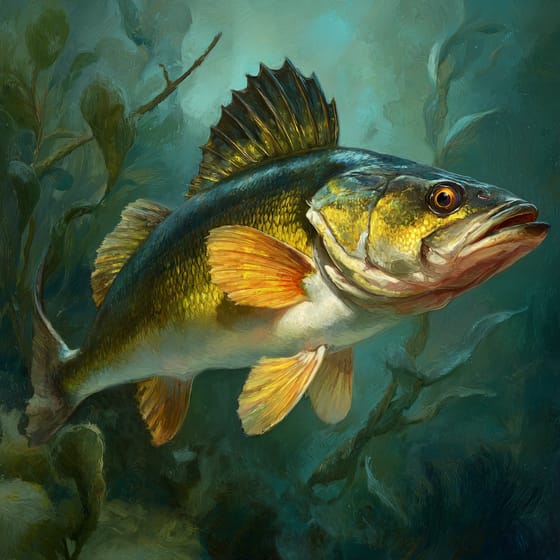
Sander vitreus
Walleyes actively hunt both juvenile and adult white suckers in deep lake waters.
Chironomidae
White suckers vacuum up and consume benthic midge larvae living in stream sediments.
Haliaeetus leucocephalus
Bald Eagles regularly scoop spawning white suckers from shallow, fast-flowing creeks.
Aún no hay insignias de rasgos asignadas a este objeto.
Todavía no hay alias listados.
Las colecciones para este objeto aparecerán aquí a medida que se añadan más temas.
Peligro
1/5 · Muy bajo
Todavía no hay notas especiales de seguridad.
La forma más fácil de identificar a White Sucker es usar la aplicación de identificación de naturaleza Snappit.
30-50 cm
0.4-2 kg
10-15 años
15 km/h
The White Sucker is a benthic generalist that vacuums the river or lake bed, consuming small invertebrates, algae, detritus, and plant matter.
Found in clear to turbid waters of small streams, large rivers, and lakes, typically associated with gravelly, sandy, or muddy bottoms.
Foraging
Acércate para separar los grupos y explorar dónde se ha fotografiado este objeto.
Los snaps recientes aparecerán aquí a medida que se añadan nuevas observaciones.













%2C_mar_Rojo%2C_Egipto%2C_2023-04-17%2C_DD_90.jpg&width=800)

