






White-winged Crossbill
Loxia leucoptera
The White-winged Crossbill is a colorful bird known for its special beak that helps it crack open pine cones to eat seeds. They are often found in snowy forests and are great at flying through trees!
Hábitat: Forests
The White-winged Crossbill is a medium-sized finch. Males are rosy-red with distinctive dark wings and two prominent white wing bars. Females have yellowish-olive plumage with similar contrasting white wing markings.
Categoría
AvesRareza
Common
Peligro
1/5 · Muy bajo
Snaps
¡Sé la primera persona en hacer un snap!
Their young are born with straight beaks, which cross as they grow up!
These birds can travel thousands of kilometers just to find yummy conifer cones.
They often breed in the depths of winter, even when it's super cold.
White-winged Crossbills can extract seeds from closed cones faster than squirrels!
White-winged Crossbill can pry open tough conifer cones because of its unique crossed bill that helps them extract hidden seeds.
White-winged Crossbill can nest and raise chicks in winter when food is abundant because of their specialized diet of conifer seeds.
White-winged Crossbill can hang upside down like a parrot because of strong feet that help them access hard-to-reach seeds.
These birds mostly eat seeds from conifer cones, using their special bills to get them out.
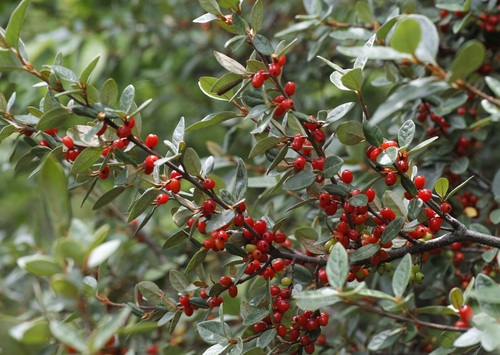
Picea glauca
Primary food source
_DDumais.jpg&width=800)
Larix laricina
Important food source

Pinus banksiana
Key food source

Accipiter striatus
Predator of adults
Describe a los animales, principalmente aves, que poseen una cubierta de plumas.
Los animales sociales viven en grupos organizados, cooperando para obtener beneficios de supervivencia como la búsqueda de alimento, la defensa y la cría de descendencia.
Los animales cantores producen vocalizaciones complejas, a menudo con el propósito de atraer parejas, defender el territorio o comunicarse dentro de su especie.
Colorido describe a organismos u objetos que exhiben una amplia variedad de colores brillantes y distintivos.

Este rasgo caracteriza a los organismos cuya dieta consiste total o principalmente en material vegetal.

Los hábitats boscosos son entornos terrestres dominados por una densa cubierta arbórea, que sustentan una gran diversidad de vida animal y vegetal.

Los animales diurnos están activos principalmente durante el día y suelen descansar o dormir por la noche.
Todavía no hay alias listados.
Peligro
1/5 · Muy bajo
Enjoy watching birds from a distance and don't try to touch them.
14-17 cm
26-29 cm
0.025-0.04 kg
3-7 años
55 km/h
These birds mostly eat seeds from conifer cones, using their special bills to get them out.
Forests
Foraging
Acércate para separar los grupos y explorar dónde se ha fotografiado este objeto.
Los snaps recientes aparecerán aquí a medida que se añadan nuevas observaciones.







.jpg&width=800)






