winged euonymus
Euonymus alatus
The winged euonymus is a fun shrub with unique, wing-like growths on its branches. In autumn, its leaves turn bright red, making it a beautiful sight in gardens and parks!
Hábitat: Urban areas
The winged euonymus is a striking shrub known for its unique corky 'wings' that grow along its green branches. Its oval leaves are green through summer, transforming into an intense, fiery scarlet or crimson in autumn before shedding. Small, inconspicuous greenish-yellow flowers give way to bright red berries.
Categoría
PlantasRareza
Common
Peligro
2/5 · Bajo
Snaps
¡Sé la primera persona en hacer un snap!
Despite its beauty, this plant is considered an invasive species in many parts of the U.S.!
Even though it's a shrub, it can live for many decades, growing slowly over time!
Its scientific name, *alatus*, literally means 'winged,' referring to its cool branches!
The plant's fiery red fall color is so intense, it's often called the 'Burning Bush'!
Winged euonymus has distinct corky 'wings' on its branches that make it easy to identify, especially in winter.
Winged euonymus transforms into a brilliant red in autumn, a visual signal that helps birds spot its seeds for dispersal.
Winged euonymus produces bright red berries that are toxic to humans and most animals, protecting its precious seeds.
Apis mellifera
collects nectar and pollen
Turdus migratorius
consumes its bright red berries
Bombycilla cedrorum
also feeds on its persistent berries
Formica rufa
aids in seed dispersal
Las plantas caducifolias pierden periódicamente todas sus hojas, por lo general durante el otoño o las estaciones secas.
Las plantas ornamentales se cultivan principalmente por su atractivo estético, embelleciendo paisajes y jardines con su atractivo follaje, flores o forma.
Un arbusto es una planta leñosa más pequeña que un árbol, típicamente con múltiples tallos que se ramifican desde o cerca del suelo.
Las plantas frutales producen frutos, que son los ovarios maduros de las plantas con flores que contienen semillas.

Los colores otoñales se refieren al cambio estacional en la pigmentación del follaje, principalmente en plantas de hoja caduca, mostrando tonos vibrantes.

Colorido describe a organismos u objetos que exhiben una amplia variedad de colores brillantes y distintivos.

Esta característica de hábitat indica especies que pueden coexistir con los humanos en entornos urbanos y suburbanos, utilizando estructuras artificiales y espacios verdes.
Peligro
2/5 · Bajo
Do not eat the berries without asking an adult, as they can be harmful.
150-300 cm
150-300 cm
0.5-1 cm
Late spring to early summer
No
Moderada
Perenne
Insectos
Acércate para separar los grupos y explorar dónde se ha fotografiado este objeto.
Los snaps recientes aparecerán aquí a medida que se añadan nuevas observaciones.

Virginia, US
Puedes ver Rana Verde, Pond Slider y Tortuga Mordedora.
Ver guía →
Virginia, US
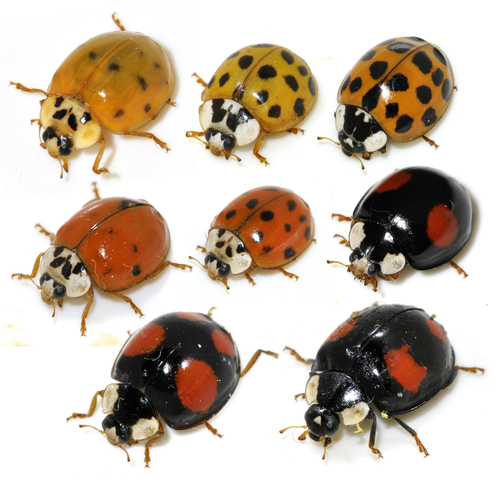
Puedes ver Mariquita Asiática, Monarch y Oriental Bittersweet.
Ver guía →
Illinois, US
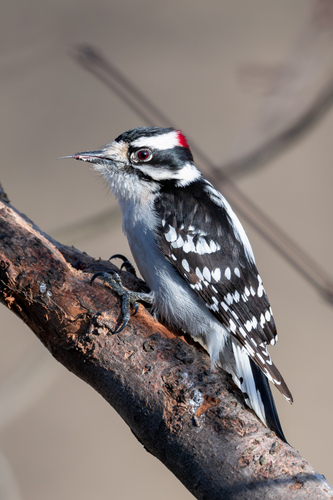
Puedes ver Carpintero Peludo, Petirrojo Americano y Cuervo Americano.
Ver guía →
Virginia, US
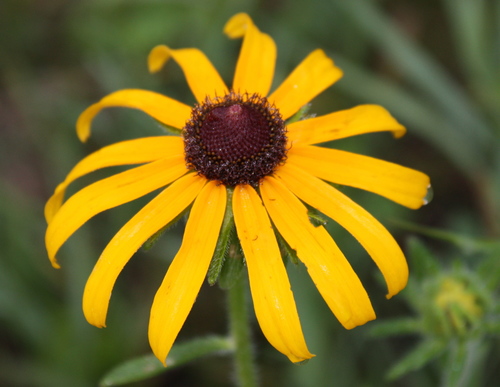
Puedes ver Rudbeckia, Picamaderos Norteamericano y Monarch.
Ver guía →

Delaware, US
Puedes ver Virginia Bluebells, Sapo Americano y Bloodroot.
Ver guía →
_end_July_2012.jpg)
Massachusetts, US
Puedes ver Great Egret, Eastern Redcedar y águila Pescadora.
Ver guía →







.jpg&width=800)