






Yellow-bellied Marmot
Marmota flaviventris
The Yellow-bellied Marmot is a fluffy animal with a bright yellow belly! They love to sunbathe on rocks and make loud whistles to talk to each other. These friendly creatures live in the mountains and are fun to watch.
Hábitat: Mountain regions
The Yellow-bellied Marmot has coarse, reddish-brown to grayish fur on its back, a distinct yellow to reddish-orange belly, and a pale snout. It has small, rounded ears and a bushy tail, making it look like a large ground squirrel.
Categoría
MamíferosRareza
Common
Peligro
1/5 · Muy bajo
Snaps
¡Sé la primera persona en hacer un snap!
Marmots clean their burrows like messy kids, kicking out old dirt!
These mountain dwellers sometimes live high up, where trees can't even grow!
They often greet each other with a nose-to-nose rub, like a secret handshake!
Yellow-bellied marmots pack on weight in summer, preparing for a long winter nap!
Yellow-bellied Marmot has an incredible ability to hibernate for up to eight months, surviving winter by slowing its body functions.
Yellow-bellied Marmot can dig extensive burrows with multiple entrances, providing safe homes and escape routes from predators.
Yellow-bellied Marmot can sunbathe on rocks to warm up quickly, helping them conserve energy after cold nights or hibernation.
These furry foragers enjoy a plant-based diet, munching on tasty leaves, flowers, and grasses.
Aquila chrysaetos
Hunted from above by this powerful bird of prey.
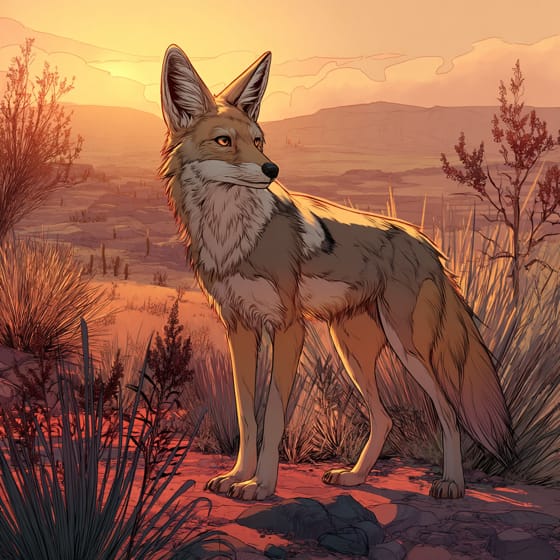
Canis latrans
A common predator that often hunts marmots on open ground.
Puma concolor
Large predator that sometimes ambushes marmots near their burrows.
Peludo describe a los animales que poseen una cubierta densa de pelo o pelaje suave.
Los animales sociales viven en grupos organizados, cooperando para obtener beneficios de supervivencia como la búsqueda de alimento, la defensa y la cría de descendencia.
Los animales excavadores cavan túneles y cámaras en el suelo y utilizan estas estructuras subterráneas para refugiarse, cazar o reproducirse.
Este rasgo caracteriza a los organismos cuya dieta consiste total o principalmente en material vegetal.

Este rasgo de hábitat identifica a las especies que se encuentran en regiones montañosas, caracterizadas por su gran altitud, pendientes pronunciadas y zonas climáticas variables.

Los animales hibernantes entran en un estado de depresión metabólica durante períodos de frío o escasez de alimentos, caracterizado por una reducción de la temperatura corporal y la actividad.

Este rasgo identifica a los organismos que exhiben una rapidez excepcional en sus movimientos para cazar, escapar o desplazarse.
Todavía no hay alias listados.
Peligro
1/5 · Muy bajo
Always watch from a distance and don't try to touch wild animals.
47-70 cm
2-5.2 kg
8-15 años
35 km/h
These furry foragers enjoy a plant-based diet, munching on tasty leaves, flowers, and grasses.
Mountain regions
Foraging
3-8
Acércate para separar los grupos y explorar dónde se ha fotografiado este objeto.
Los snaps recientes aparecerán aquí a medida que se añadan nuevas observaciones.

British Columbia, CA
Puedes ver Yellow-Bellied Marmot, Rubber Rabbitbrush y Siberian Elm.
Ver guía →

British Columbia, CA
Puedes ver Oregon Grape, Common Snowberry y Black Locust.
Ver guía →
.jpg)
South Dakota, US
Puedes ver Least Chipmunk, Rocky Mountains Ponderosa Pine y Cabra Montesa.
Ver guía →
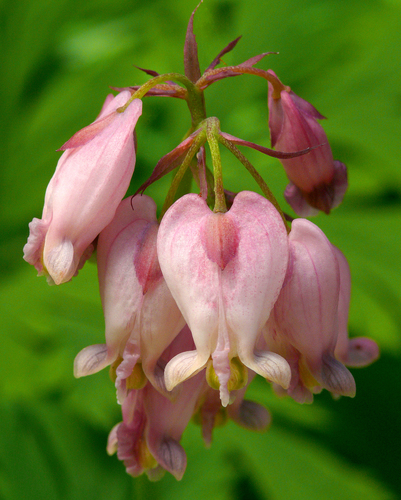
British Columbia, CA
Puedes ver Pacific Bleeding Heart, Tansy y Western Sword Fern.
Ver guía →
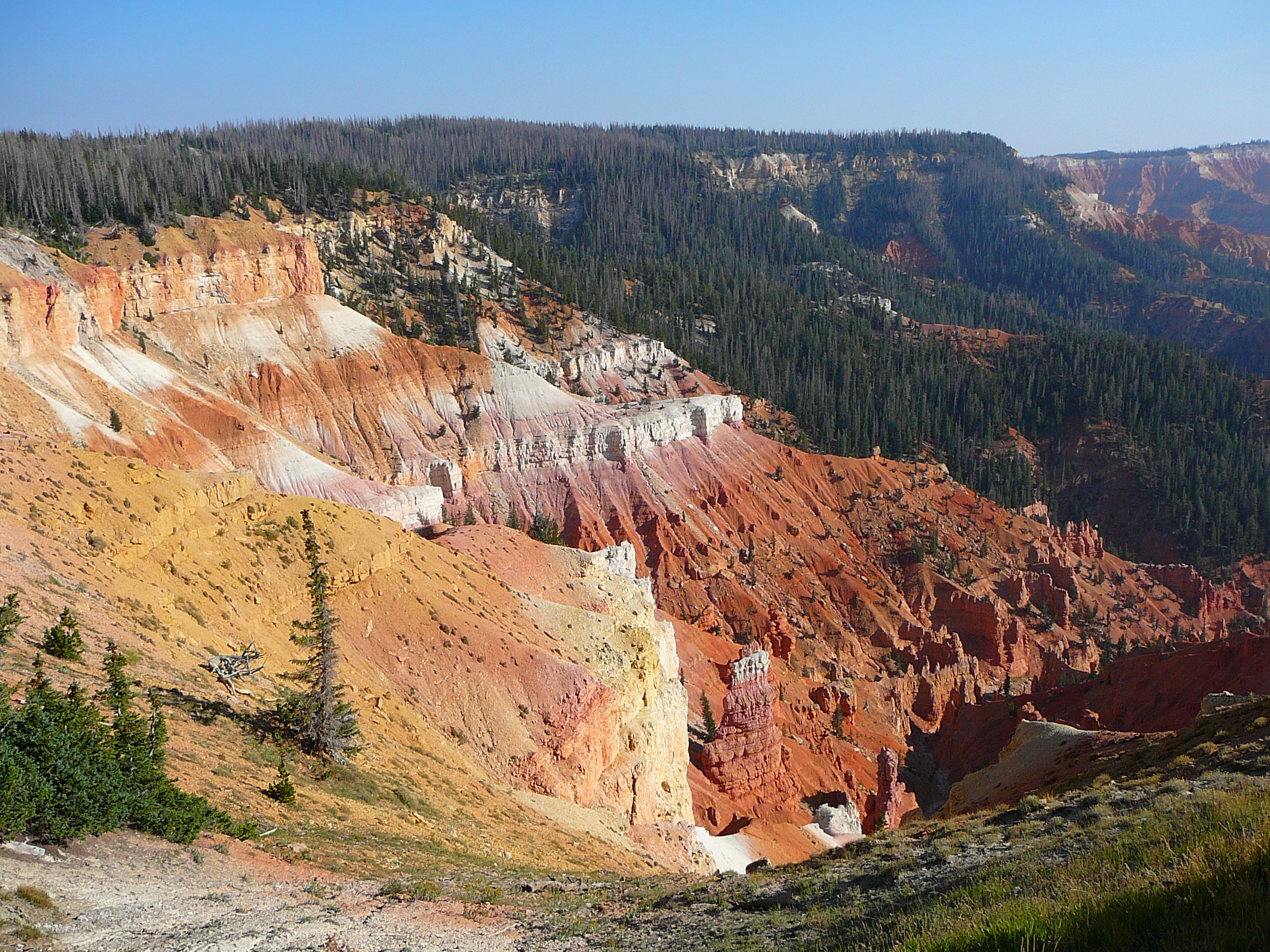
Utah, US
Puedes ver Great Basin Bristlecone Pine, Blue Columbine y Monument Plant.
Ver guía →
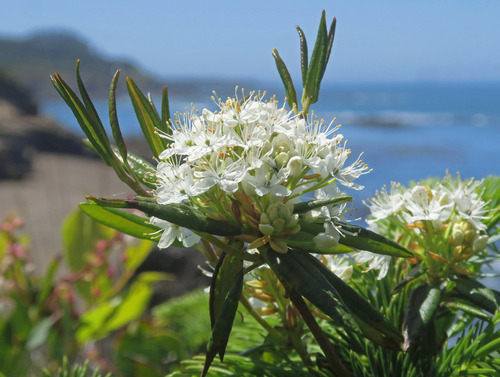
British Columbia, CA
Puedes ver Western Labrador Tea, Grouse Whortleberry y Pino Contorta.
Ver guía →















.jpg&width=800)
