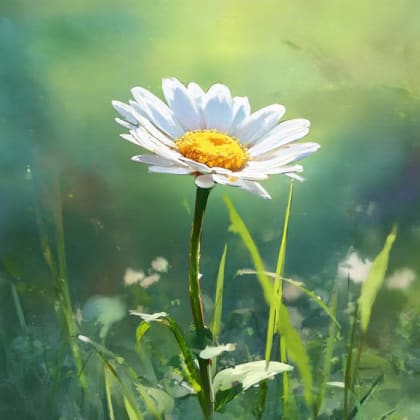
Yellow Columbine
aquilegia flavescens
The Yellow Columbine is a beautiful flower with bright yellow petals that look like little bells! It attracts many butterflies and bees, making gardens lively and colorful.
Hábitat: Rocky slopes and open woods
The Yellow Columbine has intricate, nodding yellow flowers, often with red or orange spurs that extend backward. Its delicate, fern-like leaves are typically blue-green, making the bright, unique blooms stand out in its habitat.
Categoría
PlantasRareza
Common
Peligro
1/5 · Muy bajo
Snaps
¡Sé la primera persona en hacer un snap!
Hummingbirds love these flowers because their long beaks can reach the sweet nectar hidden deep inside.
Its name "Columbine" comes from the Latin word for dove, due to the flower's resemblance to a cluster of doves.
Native Americans historically used parts of columbine plants for various traditional remedies.
The petals are actually transformed leaves, folded to create the unique spur shapes! Wow!
Yellow Columbine has long spurs that hold nectar, attracting hummingbirds for efficient pollination.
Yellow Columbine can grow in rocky crevices, anchoring itself in tough spots to find moisture.
Yellow Columbine has dry seed pods that release seeds when shaken by wind, spreading new plants.
.jpg&width=800)
Selasphorus rufus
sips nectar from its long spurs.
Bombus bifarius
gathers pollen and nectar.
Odocoileus hemionus
grazes on its leaves and stems.
Colorido describe a organismos u objetos que exhiben una amplia variedad de colores brillantes y distintivos.
Este rasgo caracteriza a los organismos cuya dieta consiste total o principalmente en material vegetal.
Los hábitats boscosos son entornos terrestres dominados por una densa cubierta arbórea, que sustentan una gran diversidad de vida animal y vegetal.
Los animales diurnos están activos principalmente durante el día y suelen descansar o dormir por la noche.

Describe organismos que transfieren polen, permitiendo la fertilización y reproducción de las plantas.
Peligro
1/5 · Muy bajo
Todavía no hay notas especiales de seguridad.
30-90 cm
30-60 cm
3-5 cm
Late spring to mid-summer
No
Leve
Perenne
Aves
Acércate para separar los grupos y explorar dónde se ha fotografiado este objeto.
Los snaps recientes aparecerán aquí a medida que se añadan nuevas observaciones.