
.jpg&width=800)





Yellow-crowned Night Heron
Nyctanassa violacea
The Yellow-crowned Night Heron is a beautiful bird with a striking yellow crown. It loves to hunt for food at night and can often be seen near water looking for tasty crabs and frogs.
Hábitat: Wetlands
The Yellow-crowned Night Heron has a stocky, grey body with a distinctive black head marked by a white cheek patch and a pale yellow crown. Its piercing red eyes stand out against its dark plumage, and it has sturdy yellow legs. Unlike other herons, it has a shorter, thicker bill perfect for its diet.
Categoría
AvesRareza
Common
Peligro
2/5 · Bajo
Snaps
¡Sé la primera persona en hacer un snap!
Baby herons are born with fluffy brown feathers, not grey!
Some Yellow-crowns travel thousands of kilometers each year!
Their scientific name, Nyctanassa, means 'night queen'!
They use their sturdy bill to flip over rocks looking for food!
Yellow-crowned Night Herons can see in very low light because of their specialized large red eyes, that helps them hunt at night.
Yellow-crowned Night Herons have a strong, pointed bill and powerful neck muscles that helps them catch and crack open tough crab shells.
Yellow-crowned Night Herons can stand incredibly still for long periods because of their patient hunting style, that helps them ambush unsuspecting prey.
These herons mostly munch on tasty crabs and other crunchy critters found near water.
Callinectes sapidus
A primary food source in coastal habitats.
Procambarus clarkii
Often hunted in freshwater marshes and ditches.
Alligator mississippiensis
Juveniles and eggs are prey for alligators.
Buteo jamaicensis
Can sometimes prey on adult herons or fledglings.
Describe a los animales, principalmente aves, que poseen una cubierta de plumas.
Los animales solitarios viven solos durante la mayor parte de su vida y solo interactúan con otros para aparearse o cuidar de sus crías.
Colorido describe a organismos u objetos que exhiben una amplia variedad de colores brillantes y distintivos.
Los organismos piscívoros son animales que subsisten principalmente de una dieta a base de peces.

Un depredador de emboscada caza esperando pacientemente y ocultándose, para luego lanzar un ataque repentino cuando una presa desprevenida se pone a su alcance.

Este rasgo de hábitat identifica especies que se encuentran en humedales, que son áreas de tierra saturadas de agua, ya sea permanente o estacionalmente, e incluyen marismas, pantanos y ciénagas.

Este rasgo identifica a los organismos cuya dieta consiste total o principalmente en tejido animal.

Los hábitats acuáticos abarcan entornos donde los organismos viven principalmente en el agua, incluidos océanos, ríos, lagos y humedales.

Los animales nocturnos están principalmente activos durante la noche, y suelen descansar o dormir durante el día.
Todavía no hay alias listados.
Peligro
2/5 · Bajo
Always watch birds from a distance and don’t try to touch them.
55-70 cm
100-112 cm
0.5-0.8 kg
10-15 años
40 km/h
These herons mostly munch on tasty crabs and other crunchy critters found near water.
Wetlands
Ambush
Acércate para separar los grupos y explorar dónde se ha fotografiado este objeto.
Los snaps recientes aparecerán aquí a medida que se añadan nuevas observaciones.

Louisiana, US
Puedes ver Perezoso De Dos Dedos De Linneo y Serpiente Del Maíz.
Ver guía →
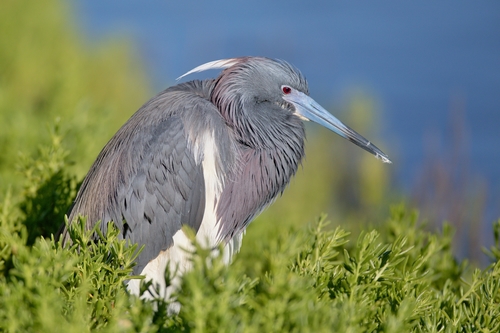
Florida, US
Puedes ver Tricolored Heron, Roseate Spoonbill y Wood Stork.
Ver guía →

Virginia, US
Puedes ver Pelícano Pardo, Cormorán Orejudo y Yellow-Crowned Night Heron.
Ver guía →
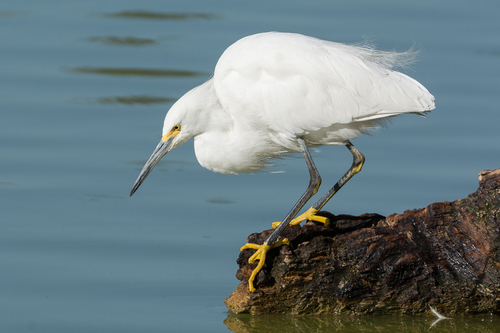
Florida, US
Puedes ver Snowy Egret, Pelícano Pardo y Boat-Tailed Grackle.
Ver guía →

Tennessee, US
Puedes ver Red Buckeye, Prairie Trillium y Largeflower Bellwort.
Ver guía →

New York, US
Puedes ver Spotted Lanternfly, Ardilla Gris Oriental y Red Deadnettle.
Ver guía →








.jpg&width=800)




