






Yellow Iris
Iris pseudacorus
The Yellow Iris is a beautiful flower with bright yellow petals. It grows near water and adds color to ponds and wetlands, making nature even more lovely!
Hábitat: Wetlands
The Yellow Iris has striking bright yellow flowers with three large, downward-arching sepals often marked with brownish-purple veins. Its long, sword-like green leaves grow stiffly upright. These distinct features make it easily recognizable in watery environments.
Categoría
PlantasRareza
Common
Peligro
1/5 · Muy bajo
Snaps
¡Sé la primera persona en hacer un snap!
A single plant can produce hundreds of floating seeds, spreading far and wide!
Each flower has a special 'landing strip' for visiting insects to guide them to nectar.
It was once planted to purify water in old European sewage systems!
The plant's roots were historically used to make a black dye for textiles.
Yellow Iris can grow thick, creeping rhizomes that anchor it firmly in saturated soils, helping it survive strong currents.
Yellow Iris has irritating compounds in its sap and leaves that deter most herbivores from eating it.
Yellow Iris can quickly spread through seeds and rhizomes, allowing it to rapidly colonize new wetland areas.
Apis mellifera
Visits flowers for nectar and pollen.
Bombus terrestris
One of many bumblebee species pollinating.

Eristalis tenax
One of many hoverfly species that pollinate iris.
Las plantas con flores son cualquier planta que produce flores como parte de su ciclo reproductivo.
Las flores en racimo son inflorescencias donde las flores individuales están dispuestas muy juntas en un tallo común.
Las plantas de floración de verano producen sus flores durante la temporada estival, a menudo aportando un color vibrante cuando muchas otras plantas ya han terminado de florecer.
Las flores fragantes emiten un aroma agradable, a menudo para atraer polinizadores o como defensa.

Las plantas de crecimiento rápido exhiben tasas de crecimiento aceleradas, aumentando rápidamente de tamaño y biomasa en un corto período de tiempo.

Describe plantas que son particularmente atractivas y beneficiosas para una amplia variedad de organismos polinizadores.

Este rasgo de hábitat identifica especies que se encuentran en humedales, que son áreas de tierra saturadas de agua, ya sea permanente o estacionalmente, e incluyen marismas, pantanos y ciénagas.

Los hábitats acuáticos abarcan entornos donde los organismos viven principalmente en el agua, incluidos océanos, ríos, lagos y humedales.
Peligro
1/5 · Muy bajo
Do not touch the leaves or flowers too much, as they can be slippery near water.
60-150 cm
30-60 cm
8-10 cm
Late spring to early summer
No
Moderada
Perenne
Insectos
Acércate para separar los grupos y explorar dónde se ha fotografiado este objeto.
Los snaps recientes aparecerán aquí a medida que se añadan nuevas observaciones.

New York, US
Puedes ver Gaviota De Delaware, Barnacla Canadiense y Rough Cocklebur.
Ver guía →
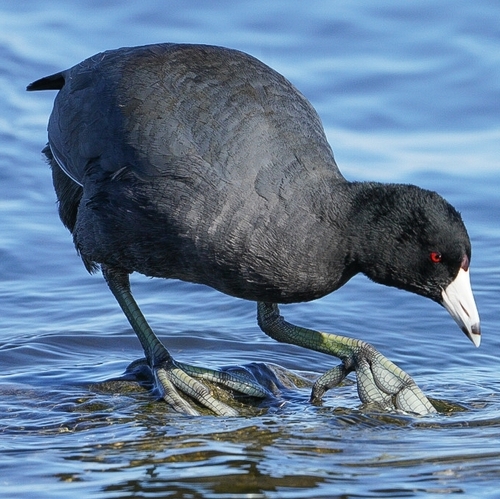
British Columbia, CA
Puedes ver American Coot, Pato y Barnacla Canadiense.
Ver guía →

British Columbia, CA
Puedes ver Herb Robert, Western Redcedar y Thimbleberry.
Ver guía →

Washington, US
Puedes ver Western Yellow Pond-Lily, Rose Spirea y Fireweed.
Ver guía →




_(5)_(8666437563).jpg&width=800)













