.jpg&width=800)





Yellow Poplar Weevil
Odontopus calceatus
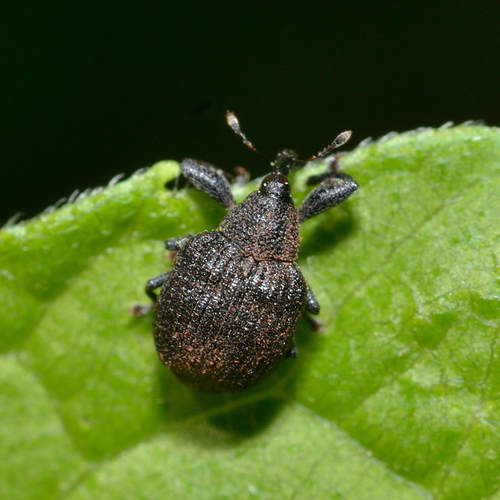
The Yellow Poplar Weevil is a small bug that loves to munch on the leaves of tulip trees. They have a shiny yellow body with black spots, making them easy to spot on the trees they like!
Hábitat: Forests
The Yellow Poplar Weevil is a small, oval-shaped insect, typically dark brown to black in color, often with yellowish-brown scales on its wing covers. It has a distinctive long, downward-curving snout, or proboscis, extending from its head. Its body is somewhat pear-shaped.
Categoría
InsectosRareza
Common
Peligro
1/5 · Muy bajo
Snaps
¡Sé la primera persona en hacer un snap!
Adult weevils often play dead, falling off leaves to escape scary predators.
Its long snout is actually its mouth, used like a tiny drill and a straw!
This weevil can make an entire tree's leaves look rusty brown from all their munching!
Young weevils are tiny leaf miners, tunneling hidden highways inside leaves!
Yellow Poplar Weevil larvae can tunnel inside leaves because their tiny bodies fit perfectly, helping them hide from predators while they eat.
The Yellow Poplar Weevil has a long snout that helps them pierce and chew plant tissues to slurp up yummy sap and plant juices.
The Yellow Poplar Weevil has a tough, protective exoskeleton that helps them resist attacks from predators like birds and spiders.
These weevils are plant-eaters, feasting on leaves of trees like the yellow poplar.
Diferencias por edad: Larvae tunnel and feed within leaves (leaf miners), while adults chew holes and skeletonize leaves.
Liriodendron tulipifera
eats its leaves
Magnolia grandiflora
feeds on its leaves
Cyanocitta cristata
a common food source
Microctonus calceati
lays eggs inside adults
Marcado con manchas o parches de un color diferente.
Los animales sociales viven en grupos organizados, cooperando para obtener beneficios de supervivencia como la búsqueda de alimento, la defensa y la cría de descendencia.
Colorido describe a organismos u objetos que exhiben una amplia variedad de colores brillantes y distintivos.
Este rasgo caracteriza a los organismos cuya dieta consiste total o principalmente en material vegetal.

Los hábitats boscosos son entornos terrestres dominados por una densa cubierta arbórea, que sustentan una gran diversidad de vida animal y vegetal.

Los animales diurnos están activos principalmente durante el día y suelen descansar o dormir por la noche.

Describe organismos que transfieren polen, permitiendo la fertilización y reproducción de las plantas.
Todavía no hay alias listados.
Peligro
1/5 · Muy bajo
These bugs are not harmful, but it's best to look and not touch them.
2.5-3.5 mm
30-60 días
These weevils are plant-eaters, feasting on leaves of trees like the yellow poplar.
Forests
Foraging
6
Acércate para separar los grupos y explorar dónde se ha fotografiado este objeto.
Los snaps recientes aparecerán aquí a medida que se añadan nuevas observaciones.