.jpg&width=800)





Yellow-rumped Warbler
Setophaga coronata
The Yellow-rumped Warbler is a small, colorful bird with a bright yellow patch on its back. It loves to flit around trees and bushes, singing cheerful songs as it searches for tasty insects and berries.
Hábitat: Forests
The Yellow-rumped Warbler has a distinctive bright yellow patch on its rump, making it easy to identify. Males display a striking blue-gray back, black streaks, and yellow patches on the sides and crown. Females are duller brown but still show the prominent yellow rump.
Categoría
AvesRareza
Common
Peligro
1/5 · Muy bajo
Snaps
¡Sé la primera persona en hacer un snap!
Its 'butterbutt' nickname comes from its bright yellow rump!
Males have a vibrant yellow crown patch often hidden by feathers.
Some individuals fly over 5,000 km during their migration!
They often shiver their tail while perched, a unique warbler trait!
Yellow-rumped Warbler can catch flying insects mid-air thanks to its agile flight and quick reflexes.
Yellow-rumped Warbler has a unique digestive system that helps them digest waxy berries other birds cannot.
Yellow-rumped Warbler can fly thousands of kilometers between breeding and wintering grounds due to strong flight muscles.
They primarily eat insects like caterpillars, but also enjoy berries, especially in colder months.
Diferencias por edad: Young nestlings are fed insects; adults have a more varied diet including berries.

Accipiter striatus
A swift raptor that actively hunts small birds.
Malacosoma americanum
Feeds on these caterpillars, especially during spring.
Morella cerifera
Relies on waxy berries for crucial winter food.
Describe a los animales, principalmente aves, que poseen una cubierta de plumas.
Los animales sociales viven en grupos organizados, cooperando para obtener beneficios de supervivencia como la búsqueda de alimento, la defensa y la cría de descendencia.
Los animales cantores producen vocalizaciones complejas, a menudo con el propósito de atraer parejas, defender el territorio o comunicarse dentro de su especie.
Colorido describe a organismos u objetos que exhiben una amplia variedad de colores brillantes y distintivos.

Este rasgo identifica a los organismos cuya dieta consiste principalmente en insectos y otros pequeños invertebrados.

Los hábitats boscosos son entornos terrestres dominados por una densa cubierta arbórea, que sustentan una gran diversidad de vida animal y vegetal.

Los animales diurnos están activos principalmente durante el día y suelen descansar o dormir por la noche.

Los animales migratorios emprenden movimientos estacionales de una región a otra, típicamente en respuesta a cambios en el clima o la disponibilidad de alimentos.
Peligro
1/5 · Muy bajo
Enjoy watching birds from a distance and don't try to touch them.
12-14 cm
19-23 cm
0.01-0.013 kg
2-5 años
40 km/h
They primarily eat insects like caterpillars, but also enjoy berries, especially in colder months.
Forests
Foraging
Acércate para separar los grupos y explorar dónde se ha fotografiado este objeto.
Los snaps recientes aparecerán aquí a medida que se añadan nuevas observaciones.
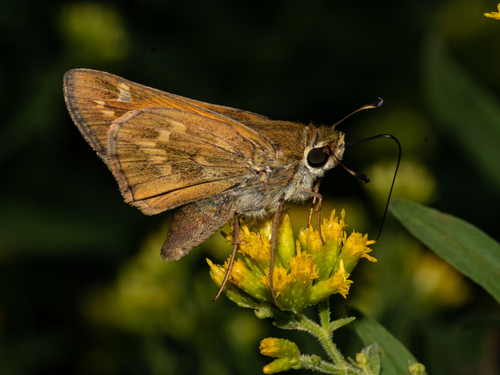
New Jersey, US
Puedes ver Huron Skipper, Garza Azulada y Petirrojo Americano.
Ver guía →

Illinois, US
Puedes ver Pato Joyuyo, Tordo Sargento y Pato.
Ver guía →
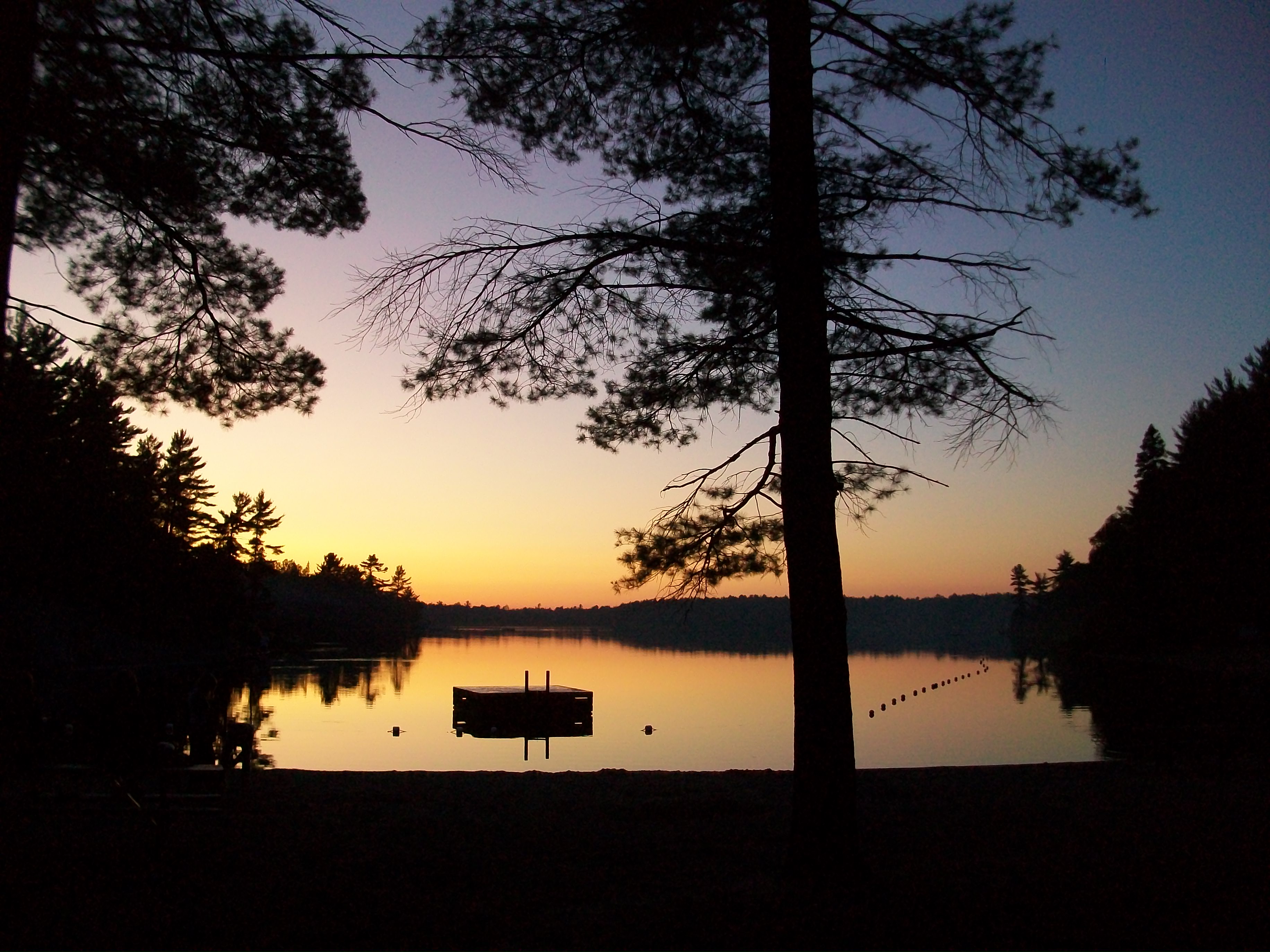
Ontario, CA
Puedes ver Tortuga Pintada, Common Watersnake y Bristly Sarsaparilla.
Ver guía →
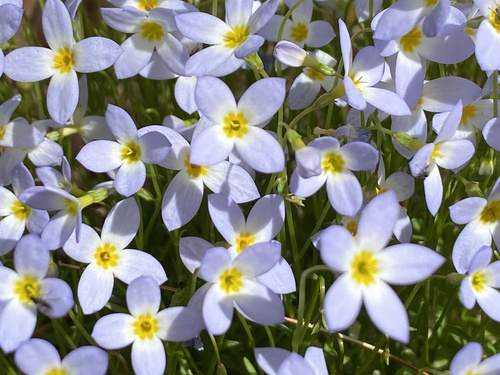
Virginia, US
Puedes ver Azure Bluet, Allegheny Blackberry y Small-Flowered Buttercup.
Ver guía →
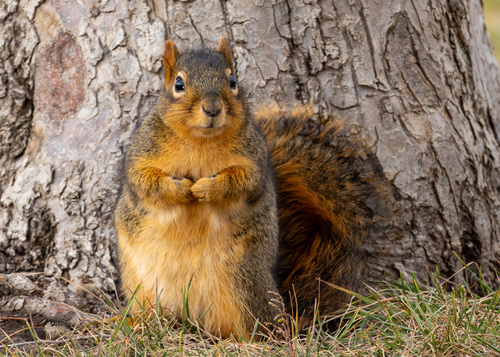
California, US
Puedes ver Eastern Fox Squirrel, Cuervo Común y Paloma Huilota.
Ver guía →
Tennessee, US
Puedes ver Eurasian Collared-Dove y Hongo De La Miel.
Ver guía →