






yellow trout lily
Erythronium americanum
The yellow trout lily is a bright yellow flower that blooms in spring. It has lovely, speckled leaves that look like fish scales, making it special and fun to find in the woods!
Hábitat: Forests
The yellow trout lily has striking, mottled green leaves that resemble a brook trout's skin, making it unique on the forest floor. Its nodding, bell-shaped flowers are bright yellow, with six petals that curve sharply backwards. These emerge on slender stalks above a pair of basal leaves.
Categoría
PlantasRareza
Common
Peligro
1/5 · Muy bajo
Snaps
¡Sé la primera persona en hacer un snap!
It takes up to seven years for a yellow trout lily seedling to produce its very first flower!
Its common name comes from the mottled leaves resembling a brook trout, while its corm looks like a dog's tooth!
The yellow trout lily's leaves and corms contain compounds that can cause a mild stomachache if eaten raw!
These 'spring ephemerals' emerge, bloom, and disappear within just a few weeks each year!
Yellow trout lily is a 'spring ephemeral,' growing, flowering, and setting seed rapidly before tree leaves block the sunlight.
Its seeds have a fatty attachment that attracts ants, which then carry and disperse the seeds, helping it spread.
Yellow trout lily spreads by underground rhizomes, allowing a single plant to form large, dense colonies over time.
Bombus impatiens
Drinks nectar and collects pollen from its flowers.
Aphaenogaster picea
Carries its seeds away to help them spread and germinate.
Odocoileus virginianus
Browses on its tender leaves and flowers in early spring.
Limax maximus
Chews holes in its leaves when they emerge from the ground.
Las plantas con flores son cualquier planta que produce flores como parte de su ciclo reproductivo.
Las flores en racimo son inflorescencias donde las flores individuales están dispuestas muy juntas en un tallo común.
Las plantas de floración primaveral producen sus flores durante la temporada de primavera, lo que a menudo significa el final del invierno y el comienzo de un nuevo crecimiento.
Las plantas tolerantes a la sombra están adaptadas para crecer y prosperar en áreas con bajos niveles de luz, requiriendo menos luz solar directa.

Las flores fragantes emiten un aroma agradable, a menudo para atraer polinizadores o como defensa.

Colorido describe a organismos u objetos que exhiben una amplia variedad de colores brillantes y distintivos.

Describe plantas que son particularmente atractivas y beneficiosas para una amplia variedad de organismos polinizadores.

Los hábitats boscosos son entornos terrestres dominados por una densa cubierta arbórea, que sustentan una gran diversidad de vida animal y vegetal.
Peligro
1/5 · Muy bajo
Always look but don't pick flowers, so everyone can enjoy them!
10-30 cm
5-15 cm
2-4 cm
Early spring
Sí
Leve
Perenne
Insectos
Acércate para separar los grupos y explorar dónde se ha fotografiado este objeto.
Los snaps recientes aparecerán aquí a medida que se añadan nuevas observaciones.
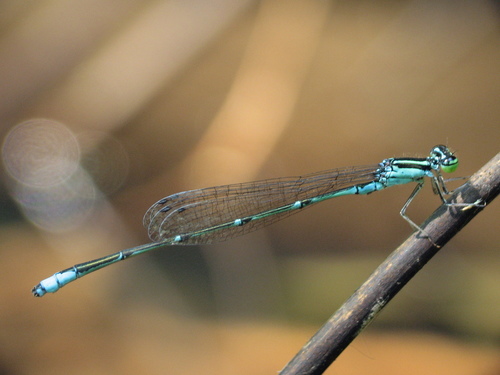
New York, US
Puedes ver Stream Bluet, Variable Dancer y Eastern Pondhawk.
Ver guía →
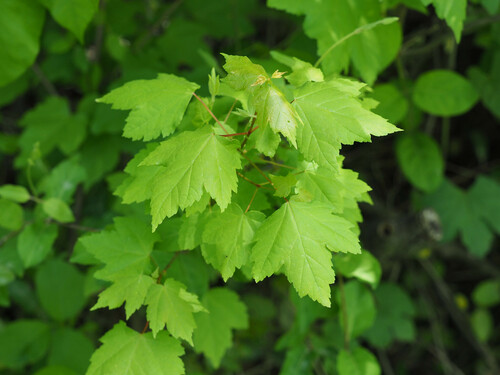
Virginia, US
Puedes ver Arce Rojo, Spotted Lanternfly y Gorrión Común.
Ver guía →
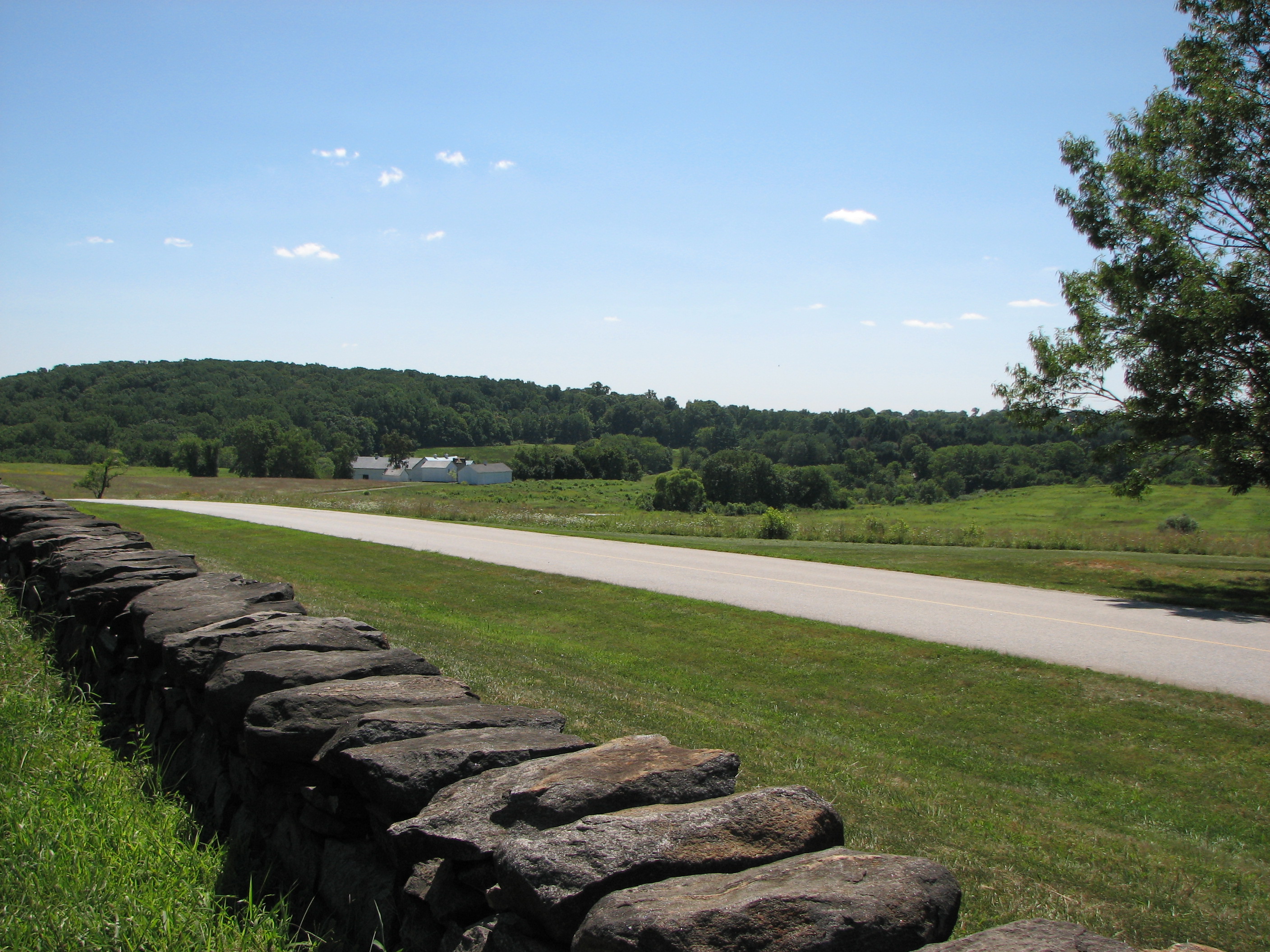
Delaware, US
Puedes ver Virginia Bluebells, Sapo Americano y Bloodroot.
Ver guía →

Québec, CA
Puedes ver Common Eastern Bumble Bee y Mariquita Asiática.
Ver guía →
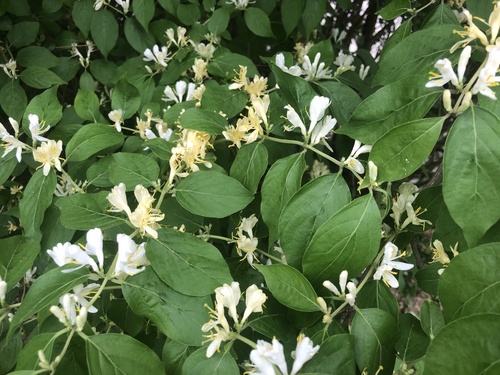
Virginia, US
Puedes ver Amur Honeysuckle, Mayapple y Lesser Celandine.
Ver guía →
_Filene_Center_outside.jpg)
Virginia, US
Puedes ver False Milkweed Bug, Laurel De Montaña y Eastern Skunk Cabbage.
Ver guía →















