






Zabulon Skipper
Lon zabulon
The Zabulon Skipper is a small, colorful butterfly with bright orange and brown wings. They flutter around flowers and are fun to watch as they sip nectar from blossoms.
Hábitat: Meadows and gardens
The Zabulon Skipper is a small butterfly with a distinct rapid, darting flight. Males display bright orange-brown upperwings with dark borders, while females are darker brown with yellow-orange spots and a purplish sheen. Their hindwing undersides often feature a contrasting pale patch, aiding in identification.
Categoría
InsectosRareza
Common
Peligro
1/5 · Muy bajo
Snaps
¡Sé la primera persona en hacer un snap!
Adult Zabulon Skippers never eat solid food, only liquid nectar.
Males often perch on leaves, ready to zoom out and defend their territory.
Their caterpillars live hidden inside rolled-up blades of grass!
They have a long, straw-like proboscis to sip nectar from deep flowers.
Zabulon Skippers can zip through the air quickly because of their powerful wing muscles that help them evade predators and find new flowers.
The Zabulon Skipper has mottled hindwings that, when folded, blend into shadows and dried leaves, helping them hide from hungry birds.
Zabulon Skippers can locate sweet flower nectar with sensitive antennae, helping them find food for energy to fuel their active flights.
Adults drink flower nectar, while caterpillars munch on various grass leaves.
Diferencias por edad: As larvae, they eat grass leaves; as adults, they drink nectar.

Asclepias syriaca
Adults visit for nectar

Trifolium repens
Adults visit for nectar
Panicum dichotomiflorum
Larvae feed on its leaves
Los animales solitarios viven solos durante la mayor parte de su vida y solo interactúan con otros para aparearse o cuidar de sus crías.
El camuflaje describe a los organismos que poseen colores o patrones que les permiten mezclarse con su entorno.
Colorido describe a organismos u objetos que exhiben una amplia variedad de colores brillantes y distintivos.
Este rasgo caracteriza a los organismos cuya dieta consiste total o principalmente en material vegetal.

Describe plantas que son particularmente atractivas y beneficiosas para una amplia variedad de organismos polinizadores.

Los animales diurnos están activos principalmente durante el día y suelen descansar o dormir por la noche.

Describe organismos que transfieren polen, permitiendo la fertilización y reproducción de las plantas.
Todavía no hay alias listados.
Peligro
1/5 · Muy bajo
Be gentle and quiet around butterflies so you don't scare them away.
25-38 mm
15-20 mm
5-14 días
Adults drink flower nectar, while caterpillars munch on various grass leaves.
Meadows and gardens
Foraging
6
Acércate para separar los grupos y explorar dónde se ha fotografiado este objeto.
Los snaps recientes aparecerán aquí a medida que se añadan nuevas observaciones.

Virginia, US
Puedes ver Kiwi Bubbles, Common Pawpaw y Eastern Skunk Cabbage.
Ver guía →
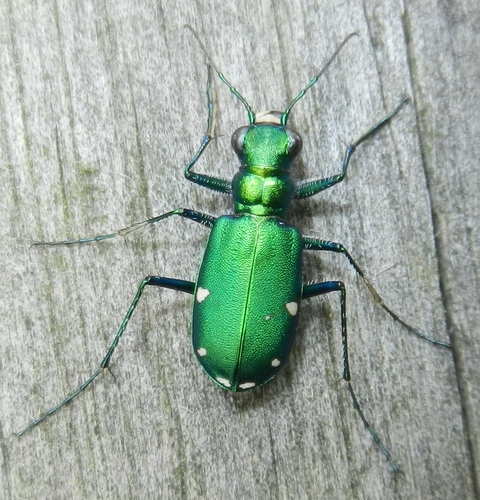
Indiana, US
Puedes ver Six-Spotted Tiger Beetle, Garlic Mustard y Buitre.
Ver guía →
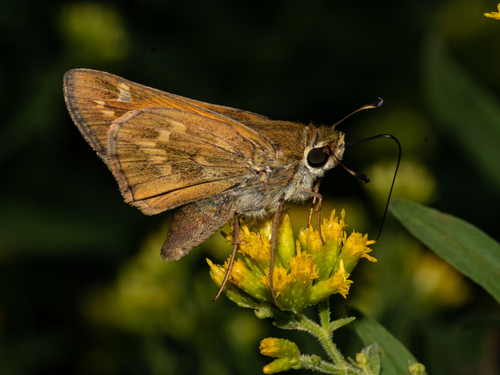
Virginia, US
Puedes ver Huron Skipper, Escarabajo Japonés y Peck's Skipper.
Ver guía →
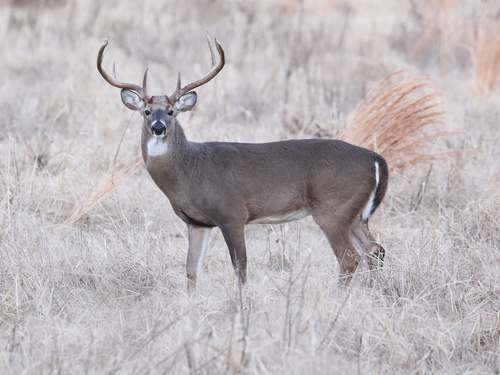
Virginia, US
Puedes ver Ciervo De Cola Blanca y Eastern Skunk Cabbage.
Ver guía →
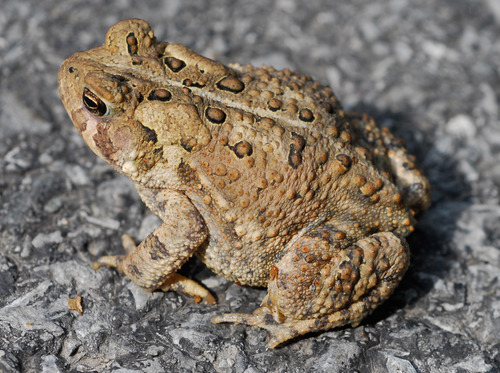
Virginia, US
Puedes ver Sapo Americano, Tortuga De Caja Oriental y Petirrojo Americano.
Ver guía →











