Zebra Longwing
Heliconius charithonia
The Zebra Longwing is a beautiful butterfly with black and yellow stripes. It flutters around gardens and forests, sipping nectar from flowers. These butterflies are fun to watch as they dance in the air!
Hábitat: Forests
The Zebra Longwing has long, narrow black wings covered with bright yellow stripes and small spots. Its slender body is also black, making its distinct pattern stand out against green foliage. This striking appearance makes it easily recognizable.
Categoría
InsectosRareza
Common
Peligro
1/5 · Muy bajo
Snaps
¡Sé la primera persona en hacer un snap!
Male Zebra Longwings have a special scent that helps them find their mates.
Their caterpillars are spiky and white, looking totally different from the adult butterfly!
Zebra Longwings "sleep" together in groups every night on the same branches!
Zebra Longwings can fly year-round in warm climates, unlike many other butterflies!
Zebra Longwing can digest pollen because it provides extra nutrients for a super long life.
Zebra Longwing can roost in large groups at night, which helps them stay safe and warm.
These butterflies sip nectar and even eat pollen to fuel their long lives!
Diferencias por edad: Larvae feed on passion flower leaves, while adults drink nectar and pollen.
Passiflora incarnata
Provides food for caterpillars and egg-laying sites.
Psiguria mexicana
Adults collect pollen and nectar, helping the plant reproduce.
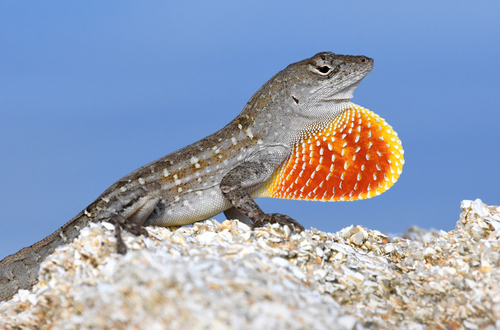
Anolis carolinensis
These small lizards may attempt to prey on the butterflies.
Marcado con bandas paralelas o líneas de color.
Los animales sociales viven en grupos organizados, cooperando para obtener beneficios de supervivencia como la búsqueda de alimento, la defensa y la cría de descendencia.
Colorido describe a organismos u objetos que exhiben una amplia variedad de colores brillantes y distintivos.
Este rasgo caracteriza a los organismos cuya dieta consiste total o principalmente en material vegetal.

Describe plantas que son particularmente atractivas y beneficiosas para una amplia variedad de organismos polinizadores.

Los hábitats boscosos son entornos terrestres dominados por una densa cubierta arbórea, que sustentan una gran diversidad de vida animal y vegetal.

Este rasgo caracteriza a los organismos con una esperanza de vida excepcionalmente larga en comparación con otros de su especie.

Los animales diurnos están activos principalmente durante el día y suelen descansar o dormir por la noche.

Describe organismos que transfieren polen, permitiendo la fertilización y reproducción de las plantas.
Peligro
1/5 · Muy bajo
Butterflies are gentle and safe to watch, but don't try to catch them!
70-100 mm
30-40 mm
30-180 días
5 km/h
These butterflies sip nectar and even eat pollen to fuel their long lives!
Forests
Foraging
6
Acércate para separar los grupos y explorar dónde se ha fotografiado este objeto.
Los snaps recientes aparecerán aquí a medida que se añadan nuevas observaciones.