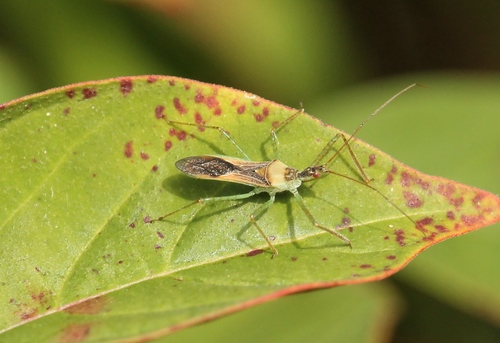


Zelus Renardii
zelus renardii
Zelus renardii, comúnmente conocida como la chinche asesina de la chicharrita, es un fascinante insecto depredador nativo de América del Norte y Central, e introducido en partes de Europa y América del Sur. Como un depredador generalista consumado, juega un papel vital en la regulación de las poblaciones de plagas tanto en campos agrícolas como en jardines domésticos. Es muy valorada por jardineros y agricultores por su apetito voraz por plagas comunes como pulgones, trips y chicharritas. Usando su afilado rostro, perfora a su presa e inyecta enzimas digestivas letales. Aunque son útiles para el biocontrol, deben manejarse con cuidado, ya que pueden provocar una picadura dolorosa (aunque inofensiva) a los humanos si se les provoca.
Hábitat: Se encuentra en campos agrícolas, huertos, jardines domésticos y parques suburbanos, típicamente posada en hojas o flores esperando a su presa.
Este insecto esbelto mide de 1.0 a 1.5 cm de largo, con una distintiva cabeza alargada, cuerpo estrecho y antenas prominentes en forma de hilo. Su coloración es típicamente una mezcla de verde amarillento brillante en las patas y el abdomen, con marrón rojizo o naranja pardusco en su espalda y tórax. Poseen un pico curvo en forma de aguja oculto bajo la cabeza. Sus patas delanteras están cubiertas de pequeños pelos pegajosos que usan para capturar presas, y tienen alas transparentes que se extienden planas sobre su espalda cuando están en reposo.
Categoría
InsectosRareza
Common
Peligro
1/5 · Muy bajo
Snaps
2
A pesar de su papel beneficioso, pueden infligir una picadura sorprendentemente dolorosa a los humanos si se manipulan sin cuidado, aunque no es médicamente significativa.
Cubren sus patas con una resina pegajosa que raspan de las plantas o secretan ellos mismos para sujetar mejor a los insectos resbaladizos.
Se ha observado que Zelus renardii se alimenta de abejas, lo que lo convierte en una pequeña molestia para los apicultores.
Secretan una sustancia pegajosa de las glándulas de sus patas delanteras, lo que les permite atrapar a sus presas con un simple toque.
Inyectan enzimas digestivas que paralizan rápidamente a la presa y licúan sus tejidos internos para un consumo fácil.
Pueden permanecer inmóviles durante horas entre el follaje antes de lanzar ataques rápidos y precisos contra insectos que pasan.
Un depredador generalista oportunista que se alimenta principalmente de pequeños insectos herbívoros que se encuentran en la vegetación.
Diferencias por edad: Las ninfas cazan insectos más pequeños de cuerpo blando como los pulgones, mientras que los adultos se dirigen a presas más grandes y activas.
Homalodisca vitripennis
Depreda al tirador de alas cristalinas, una plaga agrícola importante.
Gryon pennsylvanicum
Parasitado por pequeñas avispas que ponen sus huevos dentro de las masas de huevos de la chinche asesina.
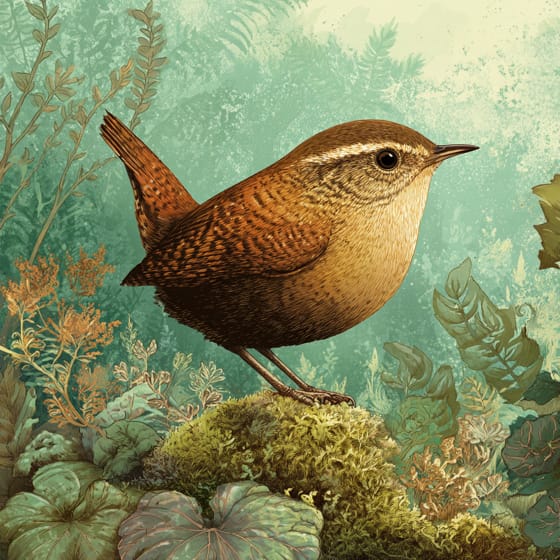
Troglodytes aedon
Depredado por aves insectívoras que buscan insectos activos en el follaje.
Aún no hay insignias de rasgos asignadas a este objeto.
Todavía no hay alias listados.
Las colecciones para este objeto aparecerán aquí a medida que se añadan más temas.
Peligro
1/5 · Muy bajo
Todavía no hay notas especiales de seguridad.
La forma más fácil de identificar a Zelus Renardii es usar la aplicación de identificación de naturaleza Snappit.
Un depredador generalista oportunista que se alimenta principalmente de pequeños insectos herbívoros que se encuentran en la vegetación.
Se encuentra en campos agrícolas, huertos, jardines domésticos y parques suburbanos, típicamente posada en hojas o flores esperando a su presa.
Emboscada
Acércate para separar los grupos y explorar dónde se ha fotografiado este objeto.

Oklahoma, US
Puedes ver Culebra Ratonera Occidental y Rana Coro Moteada.
Ver guía →

Valencian Community, ES
Puedes ver León Africano, Jirafas y Elefante Africano.
Ver guía →
California, US
Puedes ver Ardilla Zorro Oriental, Cuervo Común y Paloma Huilota.
Ver guía →
Spain, ES
Puedes ver Vestal, Tórtola Turca y Mirlo Común.
Ver guía →
Llévate el descubrimiento
Haz una foto con Snappit, identifica la especie y guarda el hallazgo en tu colección.












.jpg&width=800)




