


Zygiobia carpini
Zygiobia carpini
Zygiobia carpini es un insecto diminuto al que le encanta mordisquear hojas. Tiene una forma especial de mimetizarse con su entorno, ¡lo que lo hace un poco difícil de detectar!
Hábitat: Bosques
La Zygiobia carpini es un insecto diminuto y delicado, típicamente de color marrón o gris opaco. Tiene patas y antenas largas y delgadas, con alas transparentes bordeadas de pequeños pelos. Su cuerpo frágil la hace difícil de detectar sin una observación cuidadosa.
Categoría
InsectosRareza
Común
Peligro
1/5 · Muy bajo
Snaps
¡Sé la primera persona en hacer un snap!
¡Las moscas adultas solo viven alrededor de una semana, justo el tiempo suficiente para poner huevos.
Dentro de cada agalla, la larva absorbe sabrosos nutrientes directamente de la planta.
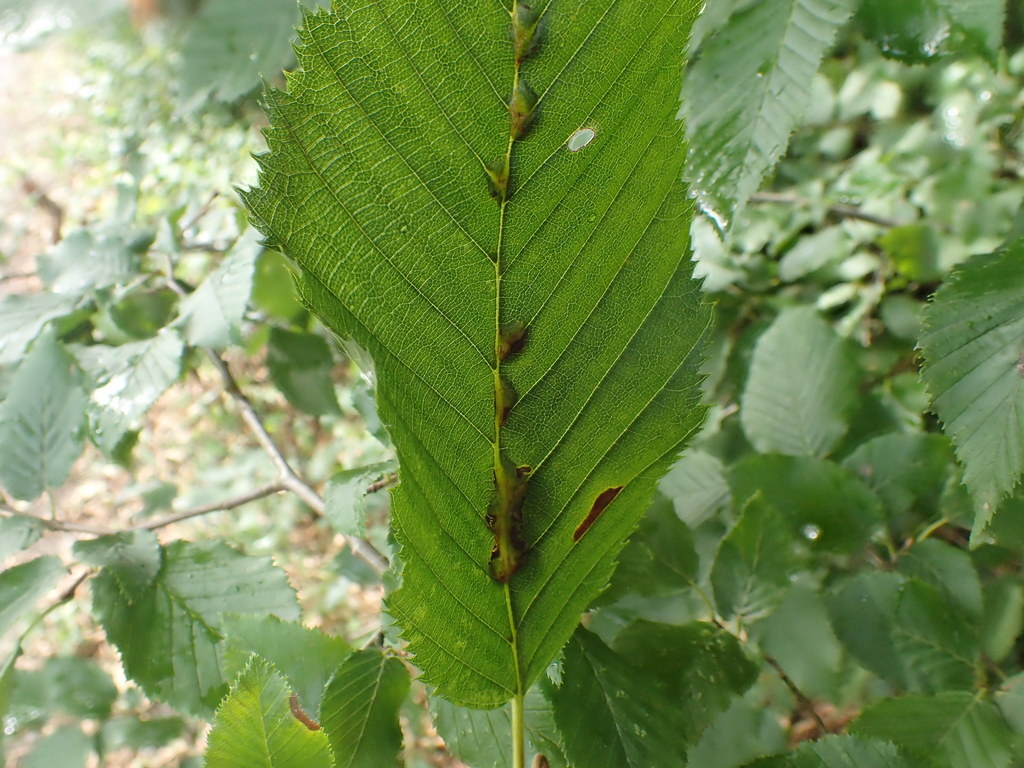
Muchas agallas diminutas de Zygiobia carpini pueden cubrir una sola hoja de carpe, como pequeñas decoraciones.
¡Las agallas creadas por esta mosquita tienen forma de pequeños cuernos en las hojas de carpe!
Las larvas de Zygiobia carpini pueden engañar a los carpes para que crezcan 'casas' vegetales especiales llamadas agallas que las protegen mientras se desarrollan.
Las Zygiobia carpini adultas pueden detectar químicos específicos de los carpes para encontrar la hoja perfecta para poner sus huevos.
Las larvas de Zygiobia carpini están escondidas dentro de las agallas de las plantas, lo que las hace invisibles para muchos depredadores que podrían querer comerlas.
Las larvas comen la savia y el tejido nutritivos de la planta dentro de las agallas que crean en las hojas de carpe.
Diferencias por edad: Las larvas se alimentan dentro de las agallas; las moscas adultas generalmente no se alimentan, dependiendo de la energía almacenada de la etapa larval.

Carpinus betulus
Las larvas de Zygiobia carpini se alimentan de las hojas de este árbol, causando agallas.

Parus major
Pequeños pájaros, como los herrerillos, pueden forrajear larvas o pupas de mosquitas.
Platygaster carpini
Esta pequeña avispa pone sus huevos dentro de las larvas de Zygiobia carpini.
Los animales solitarios viven solos durante la mayor parte de su vida y solo interactúan con otros para aparearse o cuidar de sus crías.
El camuflaje describe a los organismos que poseen colores o patrones que les permiten mezclarse con su entorno.
Este rasgo caracteriza a los organismos cuya dieta consiste total o principalmente en material vegetal.
Los hábitats boscosos son entornos terrestres dominados por una densa cubierta arbórea, que sustentan una gran diversidad de vida animal y vegetal.
Los animales diurnos están activos principalmente durante el día y suelen descansar o dormir por la noche.
Relativo a especies que son significativamente más pequeñas que lo típico o promedio de su tipo.
Describe organismos que transfieren polen, permitiendo la fertilización y reproducción de las plantas.
Todavía no hay alias listados.
Peligro
1/5 · Muy bajo
Es mejor observar los insectos a distancia y no tocarlos, ya que algunos pueden ser delicados.
Busca seis patas, antenas, tres secciones en el cuerpo y la forma de las alas. Los escarabajos tienen las alas delanteras endurecidas; las moscas solo tienen un par que funciona. Los insectos diminutos pueden necesitar un primer plano antes de que se vea su grupo. Identificador de insectos: sube una foto y compara los detalles visibles.
2-6 mm
1-3 mm
5-14 días
Las larvas comen la savia y el tejido nutritivos de la planta dentro de las agallas que crean en las hojas de carpe.
Bosques
6
Acércate para separar los grupos y explorar dónde se ha fotografiado este objeto.
Los snaps recientes aparecerán aquí a medida que se añadan nuevas observaciones.
Llévate el descubrimiento
Haz una foto con Snappit, identifica la especie y guarda el hallazgo en tu colección.