

ATV
A ATV is a vehicle that helps people get places or do important jobs. You might see it in your city or on big roads. Always stay with an adult and keep a safe distance from traffic.
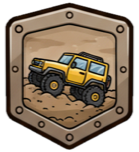
The ATV has an open-frame design with a saddle seat and wide handlebars, often brightly colored red, blue, or yellow. It's distinguished by its four large, knobby tires that stick out, making it look rugged and ready for adventure on any path.
Category
VehiclesRarity
Common
Danger
1/5 · Very low
Snaps
Be the first to snap!
ATVs are sometimes called 'quads' because they have four wheels, like a four-leaf clover!
ATVs have special low gears, like mountain bikes, to help them climb super steep hills!
Some brave explorers use ATVs to reach incredibly remote places where cars can't go!
The very first ATVs made for fun in the 1970s surprisingly only had three wheels!
ATV has massive, knobby tires with deep treads that let it grip slippery mud, sand, and rocky paths easily.
Its advanced independent suspension allows each wheel to move separately, helping the ATV glide over rough terrain.
A robust engine gives the ATV the strength to climb steep hills and pull heavy loads across tough landscapes.
Compact describes an object or design characterized by its small size and efficient use of space.
Off-road objects or vehicles are designed to operate effectively on unpaved terrain, including dirt, gravel, sand, mud, and rocks.
Recreational objects or activities are engaged in for enjoyment, amusement, or pleasure during leisure time, often outdoors.
Describes species exhibiting circular or wheel-like structures primarily used for movement or rotation.
Danger
1/5 · Very low
Explore with care and ask an adult if you’re unsure what to do.
The easiest way to identify ATV is to use the Snappit nature identifier app.
2.1 m
300 kg
80 km/h
Gasoline
2
Zoom in to split clusters and explore where this object has been snapped.
Recent snaps will appear here as new observations are added.
Take the discovery with you
Snap it with Snappit to identify it, learn what makes it special, and add the discovery to your collection.