





Broom
Broomulus dutoiti
Broom is a flowering shrub that has bright yellow flowers. It blooms in spring and brings a cheerful look to gardens!
Habitat: Open fields and roadsides
The Broom has slender, bright green stems that can grow quite tall and form a dense, bushy shrub. In late spring, it bursts into a spectacular display of pea-like, vivid yellow flowers, which can sometimes also be orange or red, making it stand out in fields and roadsides.
Category
PlantsRarity
Common
Danger
1/5 · Very low
Snaps
Be the first to snap!
Ancient people bundled its tough stems to make actual brooms for sweeping!
In some places, it’s considered an unwelcome invader because it grows so fast.
Its tough stems were once used to weave baskets and create fences.
Some folklore says that burning broom wood can call forth the wind.
Broom can pull nitrogen from the air using tiny root partners, helping it grow strong even in poor soils.
Broom has seed pods that pop open with a 'snap!', launching its seeds far away to find new places to grow.
Broom's green stems can photosynthesize, making food even when its small leaves fall off or are too tiny.
Apis mellifera
Gathers nectar from its vibrant flowers
Rhizobium leguminosarum
Lives in its roots, converting air nitrogen
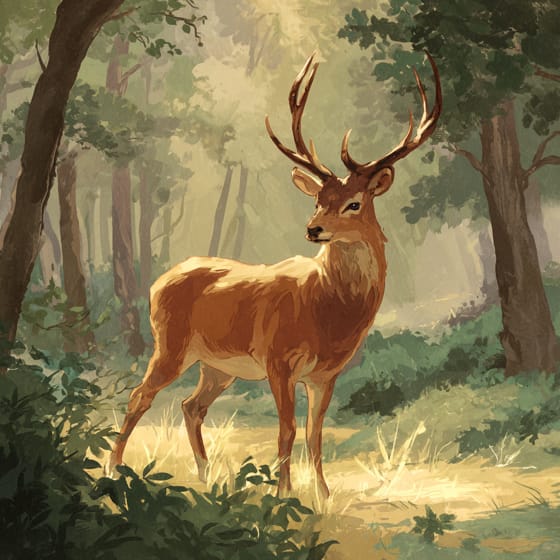
Cervus elaphus
Browses on its leaves and shoots
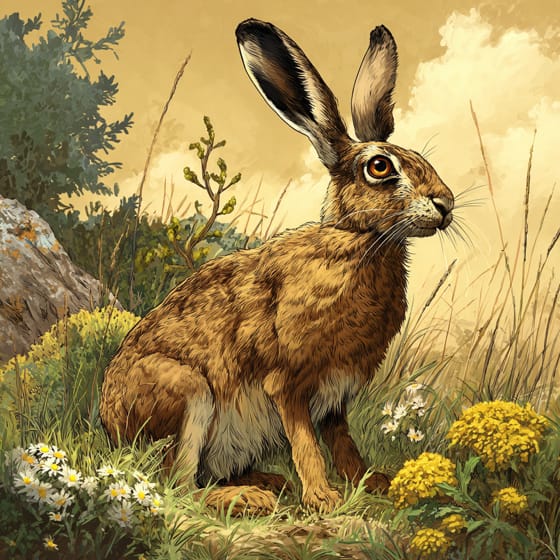
Lepus europaeus
Feeds on young broom plants
A shrub is a woody plant smaller than a tree, typically with multiple stems branching from or near the ground.
Spring blooming plants produce their flowers during the spring season, often signifying the end of winter and the start of new growth.
Fragrant flowers emit a pleasant aroma, often to attract pollinators or for defense.
Drought-tolerant plants can survive and flourish in conditions with limited water availability.

Grassland habitats are terrestrial biomes dominated by grasses and herbaceous plants, supporting a variety of grazing animals.
Danger
1/5 · Very low
Explore with care and ask an adult if you’re unsure what to do.
The easiest way to identify Broom is to use the Snappit nature identifier app.
100-300 cm
100-200 cm
1-2.5 cm
Late Spring to Early Summer
No
Moderate
Perennial
Zoom in to split clusters and explore where this object has been snapped.
Recent snaps will appear here as new observations are added.
Take the discovery with you
Snap it with Snappit to identify it, learn what makes it special, and add the discovery to your collection.









.jpg&width=800)


_001.jpg&width=800)




