




Diplodocus
Diplodocus longus
Diplodocus was a prehistoric dinosaur known for its distinctive features. Scientists study its bones to learn about how dinosaurs lived.
Habitat: Mesozoic forests and floodplains
The Diplodocus has an incredibly long, slender neck and an even longer, whip-like tail, contrasting with its relatively small head. Its body is massive and barrel-shaped, supported by sturdy, pillar-like legs. It was likely patterned in muted greens or browns for camouflage.
Category
AncientRarity
Common
Danger
1/5 · Very low
Snaps
Be the first to snap!
Its tail alone was longer than a school bus, reaching over 14 meters!
The name 'Diplodocus' means 'double beam', for its unique chevron bones under its tail!
Unlike most animals, its nostrils were located on the very top of its head, not its snout!
Young Diplodocus grew super fast, gaining up to a ton of weight each year!
Diplodocus can create a loud cracking sound with its powerful, whip-like tail that helps them deter predators.
Diplodocus has a super long neck that helps them reach tender leaves high in tall trees.
Diplodocus can swallow stones called gastroliths that help them grind tough plant material in their stomach.
A giant plant-eater, Diplodocus munched on massive amounts of leaves, ferns, and soft plants.
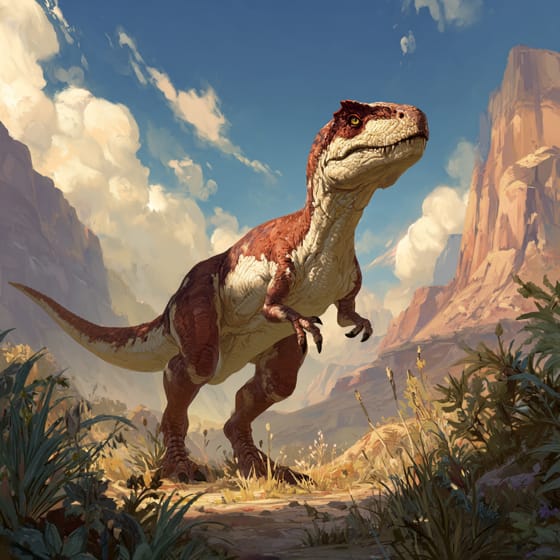
Allosaurus fragilis
Preyed on young or weak Diplodocus in the Jurassic.
Araucaria mirabilis
Primary food source, its tough leaves were a staple.
Ginkgo biloba
A common Jurassic tree, its leaves provided ample food.
Ancient refers to organisms, objects, or geological formations that have existed for an extremely long period.
An artifact is an object made or modified by human culture, typically of historical or archaeological interest.
A fossil is the preserved remains or traces of an ancient organism embedded in rock or other geological deposits.
No aliases listed yet.
Danger
1/5 · Very low
While extremely dangerous in their time, this creature is now extinct.
The easiest way to identify Diplodocus is to use the Snappit nature identifier app.
24-27 m
10000-16000 kg
A giant plant-eater, Diplodocus munched on massive amounts of leaves, ferns, and soft plants.
Mesozoic forests and floodplains
Foraging
Late Jurassic
145
Zoom in to split clusters and explore where this object has been snapped.
Recent snaps will appear here as new observations are added.
Take the discovery with you
Snap it with Snappit to identify it, learn what makes it special, and add the discovery to your collection.