





Lisianthus
Eustoma grandiflorum
Lisianthus flowers have soft petals and come in lovely colors like purple and pink. They look like roses but are easier to grow!
Habitat: Gardens and flower arrangements
The Lisianthus has delicate, bell-shaped flowers often resembling roses or peonies, with multiple ruffled petals. They display a stunning array of colors including purple, pink, white, and even bi-colors, growing on slender stems with bluish-green leaves.
Category
PlantsRarity
Common
Danger
1/5 · Very low
Snaps
Be the first to snap!
Each delicate bud unfurls into a flower with many ruffled, silky petals!
Its name means 'bitter flower' in Greek, even though it's so beautiful!
Lisianthus flowers are a popular choice for wedding bouquets everywhere!
They are sometimes called 'Texas Bluebells' because they grow wild there!
Lisianthus has incredibly strong stems and long-lasting blooms, allowing cut flowers to stay fresh and beautiful in a vase for weeks.
Lisianthus can survive dry spells thanks to its ability to store water in its thick leaves, helping it thrive in drier environments.
Lisianthus can mimic the lush, full look of other popular flowers like roses, helping it attract pollinators and human admirers alike.
Apis mellifera
Visits flowers for nectar and pollen.
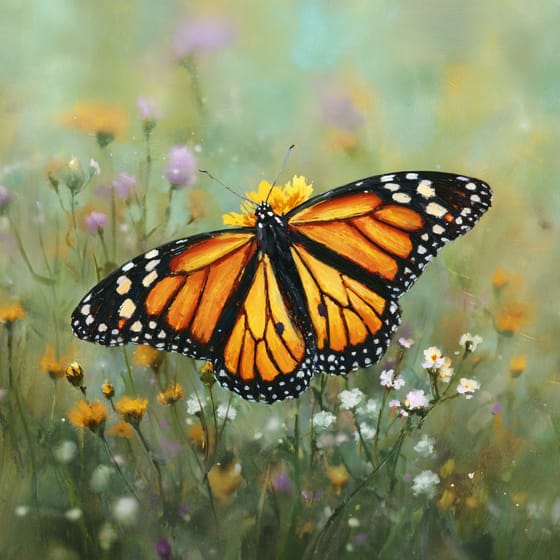
Danaus plexippus
Feeds on nectar, aiding pollination.
Bombus impatiens
Buzzes flowers for pollen and nectar.
Flowering plants are any plants that produce flowers as part of their reproductive cycle.
Ornamental plants are cultivated primarily for their aesthetic appeal, enhancing landscapes and gardens with their attractive foliage, flowers, or form.
Summer blooming plants produce their flowers during the summer season, often providing vibrant color when many other plants have finished.
This habitat trait indicates species that can coexist with humans in urban and suburban environments, utilizing man-made structures and green spaces.
Danger
1/5 · Very low
Explore with care and ask an adult if you’re unsure what to do.
The easiest way to identify Lisianthus is to use the Snappit nature identifier app.
15-60 cm
15-30 cm
2.5-5 cm
Summer-fall
No
None
Annual
Zoom in to split clusters and explore where this object has been snapped.
Recent snaps will appear here as new observations are added.
Take the discovery with you
Snap it with Snappit to identify it, learn what makes it special, and add the discovery to your collection.








.jpg&width=800)



_001.jpg&width=800)




