





Norway Rat
Rattus norvegicus
Norway rats are clever little creatures that like to live near people. They have long tails and big ears, making them great at exploring their surroundings.
The Norway Rat has a stocky body with rough, grey-brown fur on its back and lighter, often greyish-white fur underneath. It has a blunt snout, small eyes, and small ears that are partially hidden by its fur. Its scaly tail is typically shorter than its head and body combined.
Category
MammalsRarity
Common
Danger
2/5 · Low
Snaps
Be the first to snap!
A single female Norway rat can have up to 60 babies in one year!
Norway rats communicate using sounds too high for human ears to detect!
Rats use their long, scaly tails to help them balance while climbing or running!
They can survive falls from buildings over 50 feet tall without getting hurt!
Norway Rat can hold its breath for minutes and close its nostrils, allowing it to swim through sewers and pipes.
Norway Rat has strong, ever-growing teeth, letting it chew through wood or plastic to reach food and shelter.
Norway Rat has excellent senses of smell and touch with its whiskers, helping it navigate dark, complex environments.
Norway Rat has incredible adaptability, allowing it to thrive in almost any environment from cities to farms.
Omnivores, Norway Rats eat almost anything they can find, from seeds to meat scraps and trash!

Felis catus
Often preyed upon by household cats in urban environments.

Tyto alba
A common nocturnal predator of Norway Rats in rural areas.
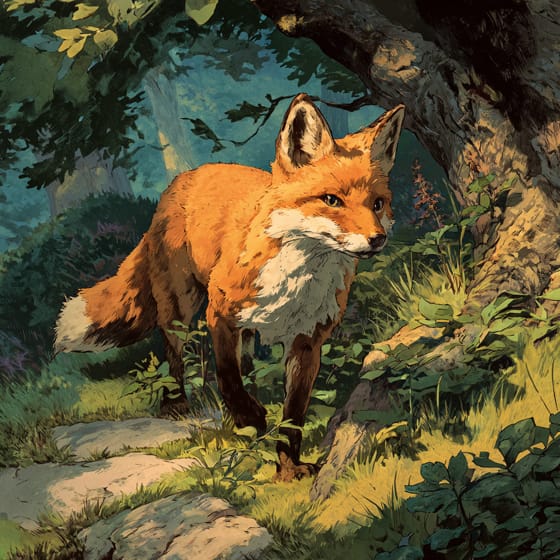
Vulpes vulpes
Frequently hunts Norway Rats in both rural and suburban settings.
Triticum aestivum
Consumes grains, often causing agricultural damage.
Furry describes animals possessing a dense covering of soft hair or fur.
Possessing prominent sensory hairs or vibrissae, often around the snout.
Social animals live in organized groups, cooperating for survival benefits such as foraging, defense, and raising offspring.
This trait identifies organisms whose diet includes both plant and animal matter.
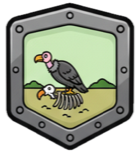
Scavengers consume dead organic matter, helping to decompose carcasses and other waste in the ecosystem.

Burrowing animals dig tunnels and chambers in the ground, using these subterranean structures for shelter, hunting, or breeding.

This habitat trait indicates species that can coexist with humans in urban and suburban environments, utilizing man-made structures and green spaces.

Nocturnal animals are primarily active during the nighttime hours, typically resting or sleeping during the day.
No aliases listed yet.
Danger
2/5 · Low
While Norway rats are usually not dangerous, it's best to admire them from a distance and not try to touch them.
The easiest way to identify Norway Rat is to use the Snappit nature identifier app.
20-30 cm
0.2-0.5 kg
2-3 years
13 km/h
Omnivores, Norway Rats eat almost anything they can find, from seeds to meat scraps and trash!
Foraging
6-12
Zoom in to split clusters and explore where this object has been snapped.
Recent snaps will appear here as new observations are added.
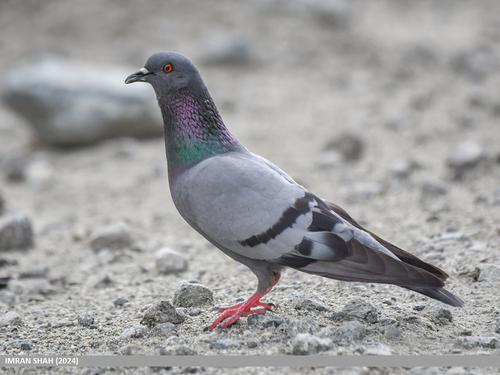
Washington, US
You might spot Rock Pigeon, Eastern Gray Squirrel, and House Sparrow.
View guide →

Washington, US
You might spot Canada Goose, Daisy, and Duck.
View guide →

New York, US
You might spot Tree-Of-Heaven, Spotted Lanternfly, and Rock Pigeon.
View guide →

Washington, US
You might spot Canada Goose, Duck, and American Coot.
View guide →

Pennsylvania, US
You might spot American Robin, Kentucky Yellowwood, and Kousa Dogwood.
View guide →

New York, US
You might spot Common Mugwort and White Snakeroot.
View guide →
Take the discovery with you
Snap it with Snappit to identify it, learn what makes it special, and add the discovery to your collection.




.jpg&width=800)



.JPG&width=800)


.jpg&width=800)
