





Verbena
Verbena bonariensis
Verbena is a lovely flower that grows in clusters and comes in many colors! Its sweet scent brings in butterflies.
Habitat: Gardens and open fields
The Verbena is a tall, airy plant with slender, branching stems topped by clusters of small, vibrant purple flowers. Its sparse foliage creates a 'see-through' effect, allowing other plants to be visible behind it.
Category
PlantsRarity
Common
Danger
1/5 · Very low
Snaps
3
It can grow taller than you, sometimes reaching over 6 feet!
Its tall, wispy stems make it look like it's floating!
Some people call it "Brazilian Verbena" because it's from South America!
Verbena's purple blooms attract lots of thirsty butterflies.
Verbena has an airy stem structure that helps it grow tall without blocking light for plants around it.
Verbena's bright purple flowers attract many bees and butterflies, helping it reproduce by spreading pollen.
Verbena can handle long periods without much water, which helps it live in dry, sunny places.
Apis mellifera
Collects nectar and pollen
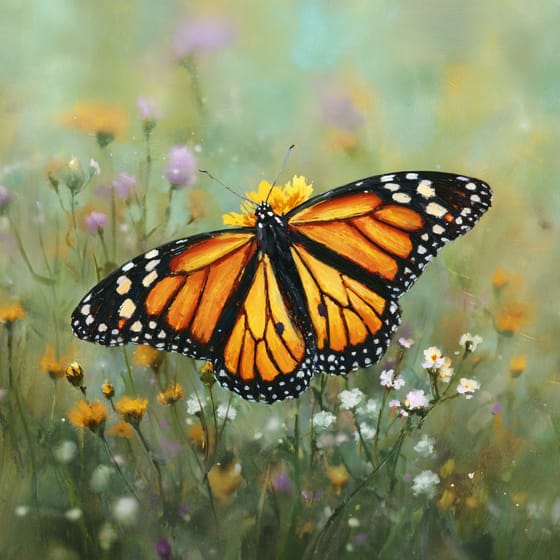
Danaus plexippus
Visits flowers for nectar
Liriomyza verbenae
Larvae tunnel through leaves
Ornamental plants are cultivated primarily for their aesthetic appeal, enhancing landscapes and gardens with their attractive foliage, flowers, or form.
Cluster flowers are inflorescences where individual flowers are arranged closely together on a common stem.
Summer blooming plants produce their flowers during the summer season, often providing vibrant color when many other plants have finished.
Fragrant flowers emit a pleasant aroma, often to attract pollinators or for defense.

Grassland habitats are terrestrial biomes dominated by grasses and herbaceous plants, supporting a variety of grazing animals.

Describes plants that are particularly attractive and beneficial to a wide range of pollinating organisms.

Describes organisms that transfer pollen, enabling the fertilization and reproduction of plants.
Danger
1/5 · Very low
Explore with care and ask an adult if you’re unsure what to do.
The easiest way to identify Verbena is to use the Snappit nature identifier app.
90-180 cm
30-90 cm
0.5-1 cm
Summer to Fall (July - October in Northern Hemisphere)
No
Mild
Perennial
Zoom in to split clusters and explore where this object has been snapped.

New Jersey, US
You might spot Chinese Sumac, Porcelain Berry, and White-Tailed Deer.
View guide →
.jpg&width=800)
Virginia, US
You might spot Reticulated Giraffe, African Penguin, and Orangutans.
View guide →

Quebec, CA
You might spot Double-Crested Cormorant, Rock Pigeon, and Wild Bergamot.
View guide →

District of Columbia, US
You might spot Eastern Gray Squirrel, Bee, and Purpletop Vervain.
View guide →

Virginia, US
You might spot Echinacea, Southern Wild Raisin, and American Sweetgum.
View guide →
Take the discovery with you
Snap it with Snappit to identify it, learn what makes it special, and add the discovery to your collection.









.jpg&width=800)


_001.jpg&width=800)




