

American Herring Gull
Larus smithsonianus
The American Herring Gull is a large bird often seen near oceans and lakes. They have gray wings and a white body, and they love to squawk and search for food.
生息地: Coastal areas
The American Herring Gull has a bright white head and body with light gray wings tipped in black. Its stout yellow bill features a distinctive red spot on the lower mandible, making it easily recognizable among other gulls.
カテゴリ
鳥類レア度
Common
危険度
2/5 · 低い
スナップ
最初にスナップしよう!
A Herring Gull can drink both fresh and saltwater, thanks to special glands!
The oldest recorded American Herring Gull lived for over 30 years!
Their fluffy chicks are camouflaged with brown spots to hide from predators.
They are known to drop hard-shelled food, like clams, from high in the sky to crack them open!
American Herring Gull can crack open tough shells because of its powerful, hooked beak and strong jaw muscles.
American Herring Gull can spot tiny food from high above because of its excellent eyesight that helps them forage efficiently.
American Herring Gull can swallow surprisingly large items whole because of its wide gape and flexible throat muscles.
American Herring Gull has webbed feet that help them paddle and float effortlessly while searching for food on water.
This clever bird eats almost anything it can find, from fish to discarded snacks!
年齢による違い: Young gulls are fed by parents and gradually learn to forage on their own for various foods.
Sterna hirundo
Gulls often prey on eggs and chicks from tern colonies.
Vulpes vulpes
Foxes often prey on gull eggs, chicks, or injured adults.
Scomber scombrus
Gulls dive to catch these fish near the water surface.

Crassostrea virginica
Gulls drop these hard-shelled mollusks to break them open.
羽毛に覆われている動物(主に鳥類)を指します。
社会性動物は組織的な群れで生活し、採餌、防衛、子育てなど、生存に有利になるよう協力し合います。
腐肉食動物は死んだ有機物を食べ、生態系における動物の死骸やその他の廃棄物の分解を助けます。
この特性は、植物と動物の両方を食べる生物を示します。

沿岸の生息地は、陸と海の境界に位置し、潮の満ち引き、波、海水の影響を受けるダイナミックな環境です。

この特性は、狩り、逃走、または移動において、並外れた素早さを見せる生物を示します。

昼行性の動物は主に日中に活動し、通常は夜間に休息や睡眠をとります。

海洋生息地は、地球上のすべての海水環境を含み、非常に多様な水生生物を支えています。

移動性の動物は、気候の変化や食べ物の有無に合わせて、季節ごとに地域から地域へと移動します。
まだ別名はありません。
危険度
2/5 · 低い
Don't feed the gulls, as they can become too friendly and might grab your food!
56-66 cm
137-152 cm
0.8-1.5 kg
15-20 年
60 km/h
This clever bird eats almost anything it can find, from fish to discarded snacks!
Coastal areas
Foraging
ズームインしてクラスターを分割し、このオブジェクトが撮影された場所を探索しましょう。
新しい観察が追加されると、ここに最近のスナップが表示されます。

Connecticut, US
ここで見られるかも ウタスズメ, マネシツグミ と Monarch.
ガイドを見る →

Virginia, US
ここで見られるかも カッショクペリカン, ミミヒメウ と Yellow-Crowned Night Heron.
ガイドを見る →
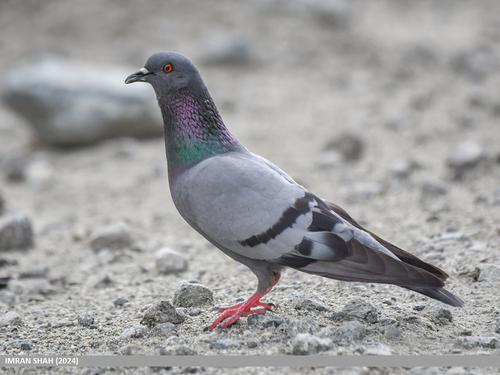
Washington, US
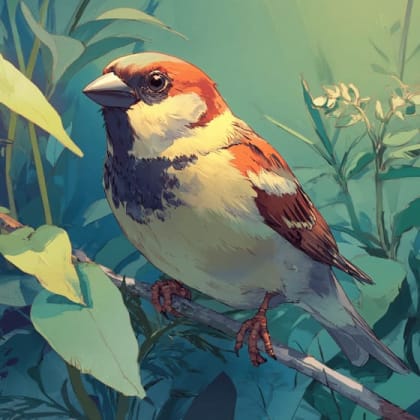
ここで見られるかも カワラバト, トウブハイイロリス と イエスズメ.
ガイドを見る →

Ontario, CA
ここで見られるかも Monarch, ヒョウガエル と コブハクチョウ.
ガイドを見る →
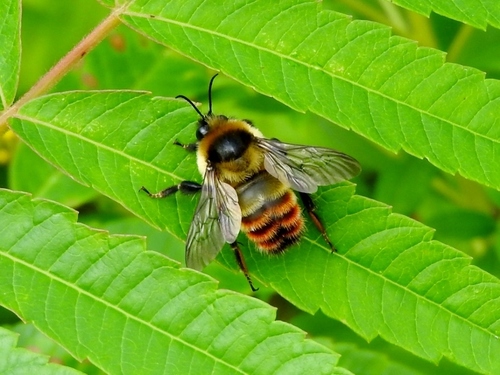
Wisconsin, US
ここで見られるかも Red-Belted Bumble Bee, Red-Breasted Merganser と カモ.
ガイドを見る →
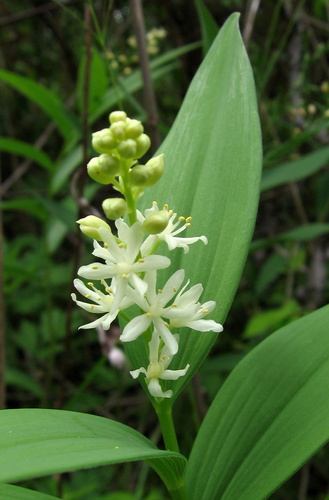
Michigan, US
ここで見られるかも Star-Flowered Lily-Of-The-Valley と Common Silverweed.
ガイドを見る →