






Arctic Fritillary
Boloria chariclea
The Arctic Fritillary is a beautiful butterfly with bright orange and black patterns. It flutters around in cold, northern areas, bringing color to the chilly landscape.
生息地: Tundra and mountain regions
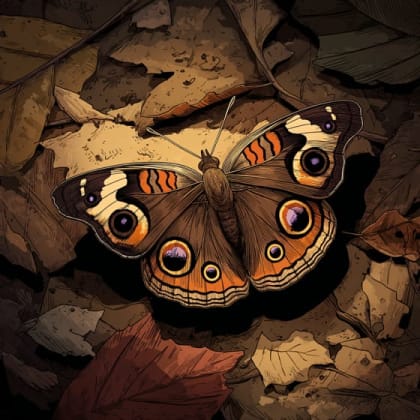
The Arctic Fritillary is a small to medium-sized butterfly with vibrant orange wings patterned boldly with black spots and lines. Its undersides are a duller, mottled orange and brown, often with distinctive silvery or cream-colored spots, which helps it blend into its rocky, lichen-covered Arctic habitat. It stands out from other fritillaries by its specific tundra adaptations and markings.
カテゴリ
昆虫レア度
Common
危険度
1/5 · 非常に低い
スナップ
最初にスナップしよう!
Even on cloudy days, these tough butterflies can find enough energy to flutter about!
Its amazing wing patterns help it camouflage perfectly on tundra rocks and lichens!
Sometimes, they rest on the ground sideways to catch extra warmth from the sun!
Wow, these butterflies live further north than almost any other butterfly on Earth!
Arctic Fritillary can absorb heat from the sun because its dark wing patterns help it warm up quickly in cold Arctic air.
Arctic Fritillary larvae have special chemicals in their bodies that act like antifreeze, helping them survive freezing winter temperatures.
Arctic Fritillary caterpillars can take two or more years to fully grow, allowing them to complete their life cycle in short, cold summers.
Adults sip sweet nectar; caterpillars munch on Arctic plant leaves.
年齢による違い: Larvae feed on leaves of various low-growing Arctic plants, while adults primarily feed on nectar.
Salix arctica
Larvae feed on its leaves for growth and energy.

Vaccinium vitis-idaea
Adults visit flowers for nectar, helping spread pollen.

Plectrophenax nivalis
Adult butterflies can be a food source for these tundra birds.
カラフルとは、生物や物体が明るくはっきりとした多様な色合いを見せることを指します。
多種多様な花粉媒介者(ポリネーター)にとって特に魅力的で有益な植物を表します。
食事のすべて、または大部分が植物で構成されている生物が持つ特徴です。
この生息地特性は、永久凍土、低温、背の低い植物を特徴とする、樹木のない生物群系であるツンドラに生息する種を指します。

この生息環境は、高い標高、急な斜面、多様な気候帯を特徴とする山岳地帯で見られる種を示します。

昼行性の動物は主に日中に活動し、通常は夜間に休息や睡眠をとります。

移動性の動物は、気候の変化や食べ物の有無に合わせて、季節ごとに地域から地域へと移動します。

花粉を運び、植物の受粉と繁殖を助ける生物のことを指します。
まだ別名はありません。
危険度
1/5 · 非常に低い
Always watch butterflies from a distance so you don't scare them away.
30-45 mm
15-20 mm
10-30 日
10 km/h
Adults sip sweet nectar; caterpillars munch on Arctic plant leaves.
Tundra and mountain regions
Foraging
6
ズームインしてクラスターを分割し、このオブジェクトが撮影された場所を探索しましょう。
新しい観察が追加されると、ここに最近のスナップが表示されます。









.jpg&width=800)
