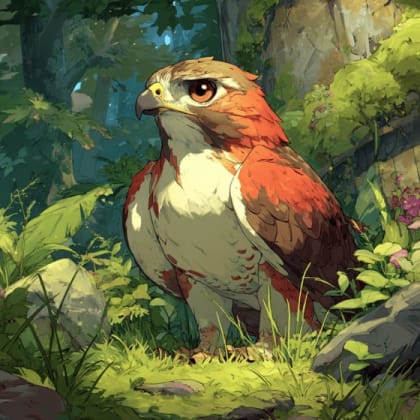
Bar-tailed Godwit
Limosa lapponica
The Bar-tailed Godwit is a long-legged bird known for its amazing long migrations. It has a beautiful, long bill and can be seen in coastal areas looking for food.
生息地: Coastal areas
The Bar-tailed Godwit has a long, slightly upturned bill and long legs, perfect for wading. In breeding season, males show rich rufous-chestnut undersides, while females are duller. Its subtly barred tail is visible in flight.
カテゴリ
鳥類レア度
Common
危険度
1/5 · 非常に低い
スナップ
最初にスナップしよう!
Newly hatched Bar-tailed Godwit chicks can leave the nest and find food for themselves almost immediately.
Their scientific name, Limosa lapponica, fittingly means "muddy from Lapland," describing their favorite wet habitats.
These amazing birds can sense and respond to changes in barometric pressure, helping them avoid storms during migration.
They double their body weight, mostly fat, before their astonishing non-stop migratory flights!
Bar-tailed Godwit can fly over 11,000 km non-stop because they efficiently store massive amounts of fat, helping them cross vast oceans.
This bird can temporarily shrink its internal organs (like intestines) before migration, helping them lighten their load for epic journeys.
Bar-tailed Godwits have a long, flexible bill with sensitive tips that helps them locate and extract hidden prey from deep within the mud.
Bar-tailed Godwits possess an innate sense of direction, helping them navigate across hemispheres with incredible accuracy.
They slurp up yummy worms and shellfish hidden in the mud with their long bills.
Falco peregrinus
A formidable predator, sometimes preying on adult godwits.
Vulpes vulpes
May prey on eggs and young chicks in their Arctic breeding grounds.
Arenicola marina
A primary food source, found burrowed in the mud of intertidal zones.
Macoma balthica
Common bivalve found in muddy sands, a favorite food for probing bills.
羽毛に覆われている動物(主に鳥類)を指します。
社会性動物は組織的な群れで生活し、採餌、防衛、子育てなど、生存に有利になるよう協力し合います。
沿岸の生息地は、陸と海の境界に位置し、潮の満ち引き、波、海水の影響を受けるダイナミックな環境です。
その存在と役割が環境に対して極めて大きな影響を与える種を指します。

昼行性の動物は主に日中に活動し、通常は夜間に休息や睡眠をとります。

この特徴は、食事のすべて、または大部分が動物の肉である生物を示します。

水生の生息地には、海、川、湖、湿地など、生物が主に水中で生活する環境が含まれます。

移動性の動物は、気候の変化や食べ物の有無に合わせて、季節ごとに地域から地域へと移動します。
まだ別名はありません。
危険度
1/5 · 非常に低い
Always watch birds from a distance and do not disturb their nests.
37-41 cm
70-82 cm
0.19-0.63 kg
10-29 年
55 km/h
They slurp up yummy worms and shellfish hidden in the mud with their long bills.
Coastal areas
Foraging
ズームインしてクラスターを分割し、このオブジェクトが撮影された場所を探索しましょう。
新しい観察が追加されると、ここに最近のスナップが表示されます。