Broad-winged Hawk
Buteo platypterus
The Broad-winged Hawk is a medium-sized bird of prey with broad wings and a short tail. They are known for their beautiful soaring flight and can often be seen in the sky during migration.
生息地: Forests
The Broad-winged Hawk is a small, stocky raptor with broad, pointed wings and a short tail. It has a brown back and a white underside with rusty-red barring. Its tail shows distinctive broad dark and white bands.
カテゴリ
鳥類レア度
Common
危険度
1/5 · 非常に低い
スナップ
最初にスナップしよう!
Broad-winged Hawks build cozy stick nests high up in forest trees.
Their migration groups, called kettles, can contain tens of thousands of birds!
They often hunt from a hidden perch, swooping down with amazing surprise!
This hawk has a unique, high-pitched whistle call, not a typical screech.
Broad-winged Hawks can soar effortlessly on rising air currents because this ability helps them conserve energy during long migrations.
Broad-winged Hawks have super sharp eyesight that helps them spot tiny prey, like mice, from high in the trees.
Broad-winged Hawks have strong, sharp talons that help them grasp and hold onto slippery prey like snakes and frogs.
These agile hunters primarily eat small mammals, amphibians, and large insects from forest habitats.
Microtus pennsylvanicus
A primary food source.
Lithobates sylvaticus
Often catches these amphibians.
Thamnophis sirtalis
Preys on these small reptiles.
Quercus alba
Nests in tall deciduous trees.
Bubo virginianus
Owl sometimes preys on nestlings.
羽毛に覆われている動物(主に鳥類)を指します。
社会性動物は組織的な群れで生活し、採餌、防衛、子育てなど、生存に有利になるよう協力し合います。
空中性の生き物は、生涯の大部分を空中で過ごし、狩りや渡り、巣作りなど様々な活動を飛びながら行います。
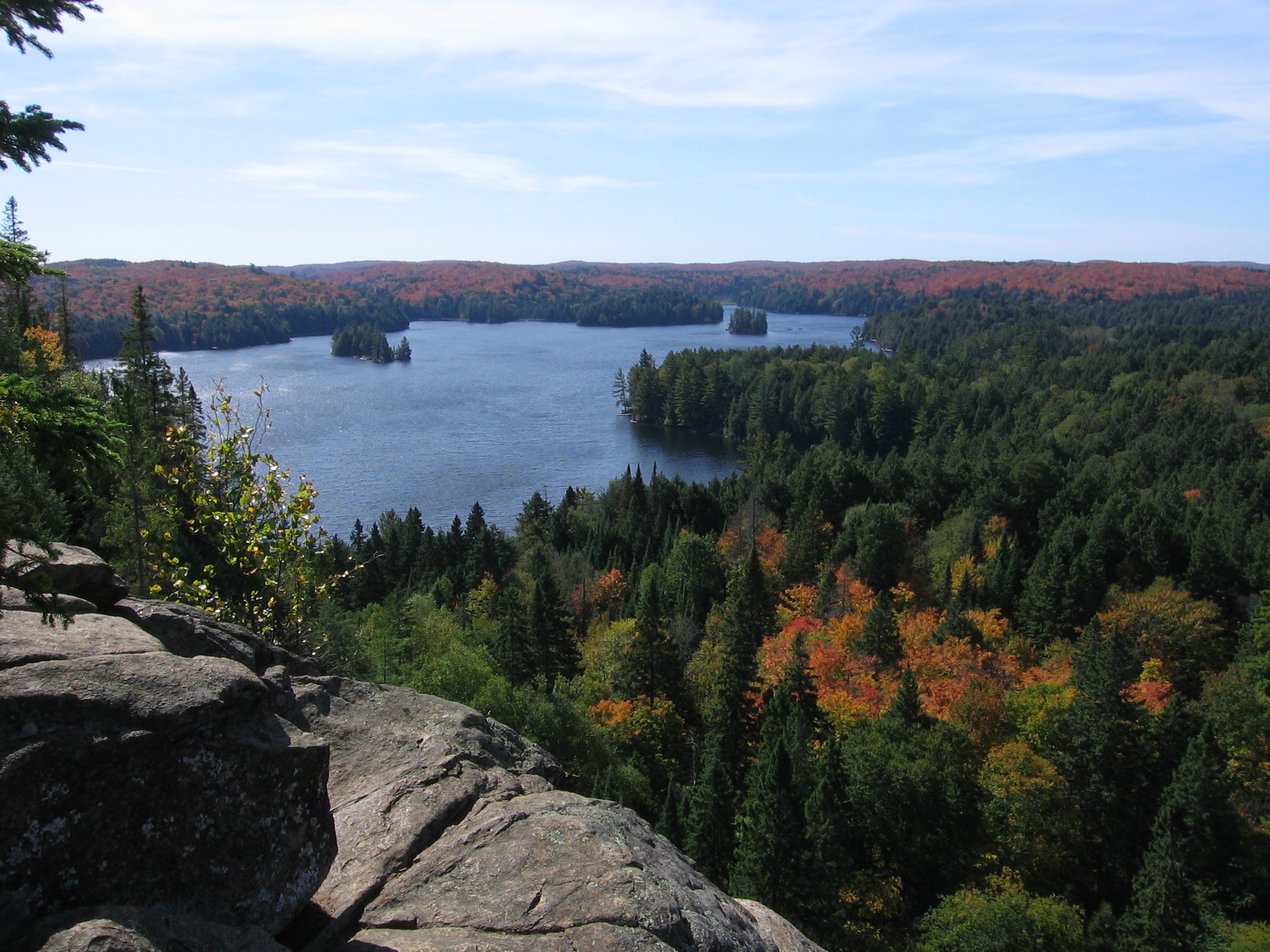
森林の生息地は木々が密集して生い茂る陸上環境であり、多種多様な動植物の命を支えています。

昼行性の動物は主に日中に活動し、通常は夜間に休息や睡眠をとります。

この特徴は、食事のすべて、または大部分が動物の肉である生物を示します。

移動性の動物は、気候の変化や食べ物の有無に合わせて、季節ごとに地域から地域へと移動します。
まだ別名はありません。
危険度
1/5 · 非常に低い
Always watch birds from a distance and don't try to touch them.
34-44 cm
81-100 cm
0.265-0.56 kg
10-16 年
64 km/h
These agile hunters primarily eat small mammals, amphibians, and large insects from forest habitats.
Forests
Ambush
ズームインしてクラスターを分割し、このオブジェクトが撮影された場所を探索しましょう。
新しい観察が追加されると、ここに最近のスナップが表示されます。