

Carnivorans
Carnivora
Carnivorans are a group of meat-eating mammals that include animals like lions, tigers, and bears. They are known for their sharp teeth and strong bodies, which help them catch their food.
生息地: Forests, Grasslands, Mountains
The Carnivorans are a diverse group of mammals, generally recognized by their specialized teeth, including prominent canines and shearing molars. They often have muscular bodies, agile limbs, and sharp claws. Their fur coloration varies widely from striped and spotted to solid brown, black, or white, providing camouflage.
カテゴリ
哺乳類レア度
Common
危険度
5/5 · 極めて高い
スナップ
最初にスナップしよう!
Many carnivorans mark their territory with scent messages, like leaving a secret note for others!
Some carnivorans can purr like a tiny engine, but only big cats that roar can't purr!
Some carnivorans, like bears, can stand tall on two legs to get a better view or look intimidating!
The smallest carnivoran, the Least Weasel, weighs less than a chocolate bar!
Carnivorans can deliver crushing bites because of powerful jaw muscles and specialized carnassial teeth that help them slice through meat.
Carnivorans have highly developed senses of smell, hearing, and often eyesight that help them locate and track prey, even in low light.
Carnivorans possess strong, flexible bodies and powerful legs because of their need to chase, pounce, or stalk, helping them capture fast-moving prey.
Carnivorans have sharp, often retractable claws that help them grip prey, climb trees, and dig for hidden food or shelter.
They mainly eat meat, but some enjoy plants and even insects for a tasty treat!
Odocoileus virginianus
Many large carnivorans, like cougars, hunt deer.
Lepus americanus
Lynx and foxes frequently hunt snowshoe hares.
Salmo salar
Bears, a type of omnivorous carnivoran, commonly eat this fish.
Quercus robur
Bears and other omnivorous carnivorans consume its acorns.
Sus scrofa
Large carnivorans like tigers and bears prey on wild boars.
柔らかい体毛や毛皮が密集して体を覆っている動物の特徴を表します。
社会性動物は組織的な群れで生活し、採餌、防衛、子育てなど、生存に有利になるよう協力し合います。
腐肉食動物は死んだ有機物を食べ、生態系における動物の死骸やその他の廃棄物の分解を助けます。
草原の生息地は、草や草本植物が優占する陸上バイオームであり、多様な草食動物を支えています。

この生息環境は、高い標高、急な斜面、多様な気候帯を特徴とする山岳地帯で見られる種を示します。

待ち伏せ捕食者は、辛抱強く身を潜めて待ち、気付かずに獲物が射程圏内に入ったときに突然攻撃を仕掛けて狩りをします。

森林の生息地は木々が密集して生い茂る陸上環境であり、多種多様な動植物の命を支えています。

その存在と役割が環境に対して極めて大きな影響を与える種を指します。

この特性は、狩り、逃走、または移動において、並外れた素早さを見せる生物を示します。

この特徴は、食事のすべて、または大部分が動物の肉である生物を示します。

夜行性の動物は主に夜間に活動し、通常、日中は休んだり眠ったりしています。
まだ別名はありません。
危険度
5/5 · 極めて高い
Always admire wild animals from a safe distance and never try to touch or feed them.
15-300 cm
0.05-600 kg
5-30 年
110 km/h
They mainly eat meat, but some enjoy plants and even insects for a tasty treat!
Forests, Grasslands, Mountains
Ambush, Pursuit, Foraging, and Scavenging
1-12
ズームインしてクラスターを分割し、このオブジェクトが撮影された場所を探索しましょう。
新しい観察が追加されると、ここに最近のスナップが表示されます。

South Dakota, US
ここで見られるかも Scarlet Globemallow, Leadplant と Yellow Salsify.
ガイドを見る →
British Columbia, CA
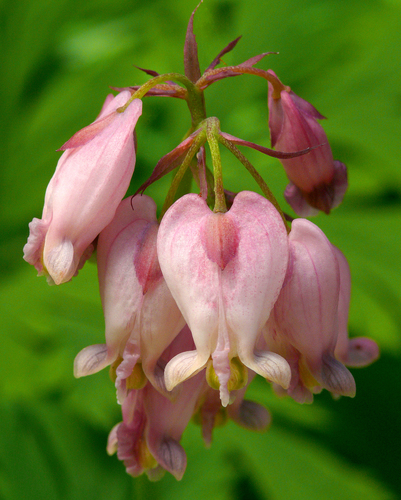
ここで見られるかも Pacific Bleeding Heart, Tansy と Western Sword Fern.
ガイドを見る →

British Columbia, CA
ここで見られるかも Western Rattlesnake Plantain と Shinyleaf Meadowsweet.
ガイドを見る →