






Columbia Spotted Frog
Rana luteiventris
The Columbia Spotted Frog is a small, lively frog with beautiful spots on its skin. It loves to hop around in wetlands and is great at swimming in water!
生息地: Wetlands
The Columbia Spotted Frog is a medium-sized frog, typically green, brown, or gray with irregular dark spots, often with a lighter center. It has smooth skin and a distinct cream-colored stripe along its upper jaw, which helps distinguish it from other similar frogs.
カテゴリ
両生類レア度
Common
危険度
1/5 · 非常に低い
スナップ
最初にスナップしよう!
Columbia Spotted Frogs hibernate underwater, sometimes buried in mud, to survive freezing winters!
Female frogs gather to lay their thousands of eggs together in huge communal masses!
Some tadpoles live as long as two years before finally becoming adult frogs!
These frogs have eyes on top of their heads, perfect for peeking out of the water!
Columbia Spotted Frogs can stay submerged for over 15 minutes, helping them hide from predators and ambush aquatic prey.
Columbia Spotted Frogs have uniquely patterned skin with dark, light-centered spots that help them disappear against riverbeds and pond bottoms.
Columbia Spotted Frogs can rapidly extend their sticky tongue to snatch insects and other small prey with incredible speed.
Columbia Spotted Frogs have a special metabolism that helps them thrive in very cold, high-elevation mountain streams.
These frogs munch on insects and other small invertebrates they find in the water or on land.
年齢による違い: Tadpoles eat algae and detritus; adults become carnivores, preying on insects and other invertebrates.
Thamnophis sirtalis
A common predator of frogs and their tadpoles.
Oncorhynchus clarkii
Larger fish prey on tadpoles and small frogs in aquatic habitats.
Buteo jamaicensis
These raptors hunt adult frogs in open wetland areas.
Procyon lotor
Opportunistic predators, raccoons will catch frogs near water bodies.
異なる色の斑点や模様がある。
単独行動をとる動物は、繁殖や子育ての時を除き、生涯のほとんどを1匹で生活します。
カラフルとは、生物や物体が明るくはっきりとした多様な色合いを見せることを指します。
この特性は、主に昆虫やその他の小型無脊椎動物を食べる生物を示します。

この生息地特性は、湿地(年間を通して、または季節的に水に浸かっている沼や湿原などの土地)で見られる種を示します。

その存在と役割が環境に対して極めて大きな影響を与える種を指します。

昼行性の動物は主に日中に活動し、通常は夜間に休息や睡眠をとります。

水生の生息地には、海、川、湖、湿地など、生物が主に水中で生活する環境が含まれます。

花粉を運び、植物の受粉と繁殖を助ける生物のことを指します。

絶滅危惧とは、その種が近い将来、野生において絶滅する危険性が非常に高いことを示しています。
まだ別名はありません。
危険度
1/5 · 非常に低い
Always watch frogs from a distance and never try to catch them, as they can be delicate.
4-10 cm
0.01-0.03 kg
5-10 年
1.5 km/h
These frogs munch on insects and other small invertebrates they find in the water or on land.
Wetlands
Ambush
500-2000
ズームインしてクラスターを分割し、このオブジェクトが撮影された場所を探索しましょう。
新しい観察が追加されると、ここに最近のスナップが表示されます。
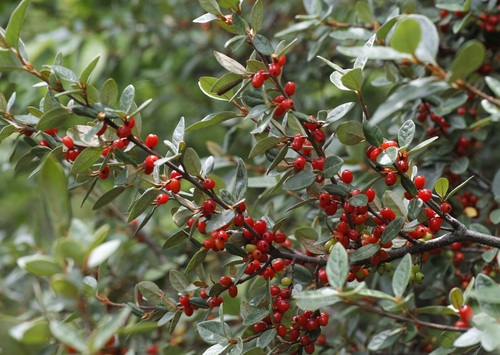
British Columbia, CA
ここで見られるかも Canadian Buffalo-Berry, Oregon Boxwood と Pacific Trillium.
ガイドを見る →
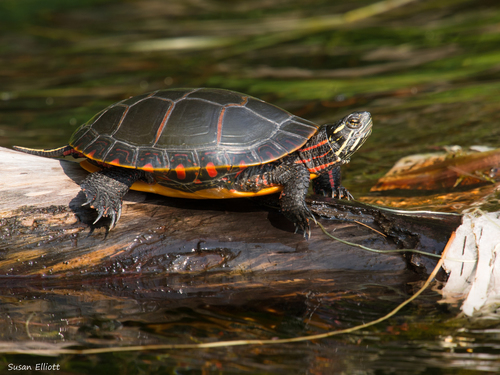
British Columbia, CA
ここで見られるかも ニシキガメ, Solomon's Plume と Saskatoon.
ガイドを見る →

British Columbia, CA
ここで見られるかも Thimbleberry, Canadian Buffalo-Berry と Oregon Grape.
ガイドを見る →
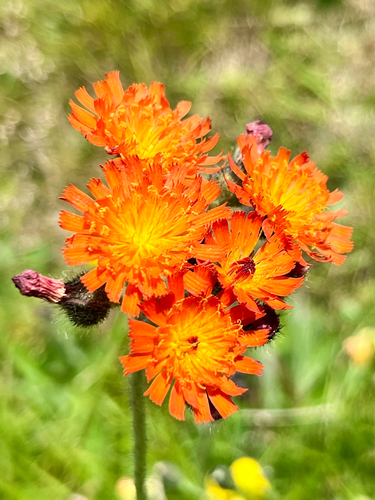
British Columbia, CA
ここで見られるかも Orange Hawkweed, Shinyleaf Meadowsweet と Columbia Lily.
ガイドを見る →
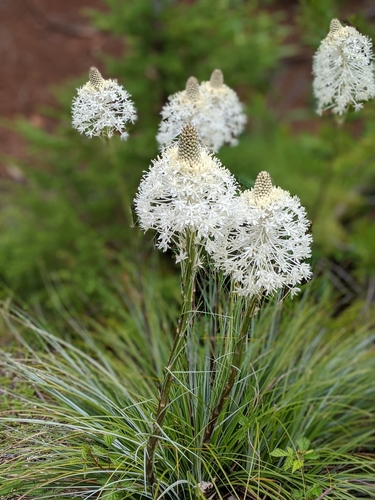
British Columbia, CA
ここで見られるかも Common Beargrass, White-Flowered Rhododendron と Glacier Lily.
ガイドを見る →
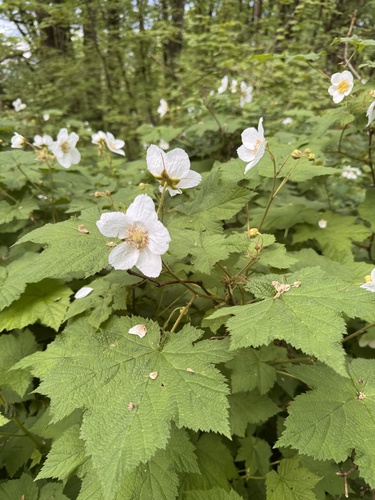
British Columbia, CA
ここで見られるかも Thimbleberry, Western Redcedar と Red Osier Dogwood.
ガイドを見る →















