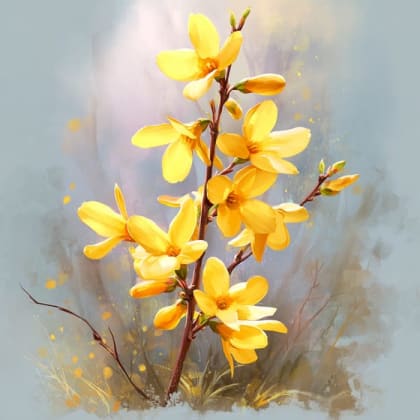
common hackberry
Celtis occidentalis
The common hackberry is a tall tree with rough bark and small, sweet berries. It provides shade and food for many animals, making it a great tree for parks and gardens.
生息地: Urban areas
The common hackberry is a medium to large deciduous tree known for its unique, corky, warty bark. Its alternate, ovate leaves are rough to the touch with toothed edges. Small, round, dark purple fruits develop in fall, persisting into winter.
カテゴリ
植物レア度
Common
危険度
1/5 · 非常に低い
スナップ
最初にスナップしよう!
Birds love hackberry fruit so much, they help spread its seeds everywhere.
Its sweet berries taste like dates and are safe for humans to eat!
Native Americans used hackberry bark for traditional medicine and yellow dye.
The unusual bumpy bark on a hackberry feels like sandpaper mixed with cork!
Common hackberry can thrive in dry conditions thanks to its deep root system that finds water far below ground.
Common hackberry has incredibly thick, warty bark that provides unique shelter for insects and makes it tough against damage.
Common hackberry's sweet, purple berries cling to branches through winter, providing a crucial food source for birds when other food is scarce.
Common hackberry can tolerate harsh urban conditions, including pollution and poor soil, making it a resilient city tree.
Sialia sialis
feeds on its sweet berries in winter
Turdus migratorius
enjoys its persistent fruits year-round

Asterocampa celtis
its caterpillars exclusively eat hackberry leaves
Phyllocnistis celtifoliella
larvae create winding tunnels within leaves
Procyon lotor
consumes the nutritious hackberry fruits
落葉植物は定期的に、主に秋や乾季にすべての葉を落とします。
耐陰性植物は、光量が少ない環境でも成長して繁茂できるよう適応しており、直射日光をあまり必要としません。
広葉樹は被子植物であり、平たく広い葉を特徴とし、温帯気候では通常毎年落葉します。
果実をつける植物は、種子を含む顕花植物の成熟した子房である果実を作ります。

木材とは、建築や大工仕事で使うために加工された木のことです。

紅葉は、主に落葉植物に見られる季節的な葉の色の変化を指し、鮮やかな色合いを見せます。

食用植物とは、人間が安全に消費できるとされている植物の部位を指します。

この特性は、同種の他の生物に比べて寿命が非常に長い生物を指します。

その存在と役割が環境に対して極めて大きな影響を与える種を指します。

この生息地の特性は、人工の建造物や緑地を利用し、都市や郊外の環境で人間と共存できる種であることを示しています。
まだ別名はありません。
危険度
1/5 · 非常に低い
Always stay on paths when exploring near trees and be careful of falling branches.
1200-2500 cm
900-1500 cm
0.3-0.6 cm
春
はい
なし
多年生
風
ズームインしてクラスターを分割し、このオブジェクトが撮影された場所を探索しましょう。
新しい観察が追加されると、ここに最近のスナップが表示されます。
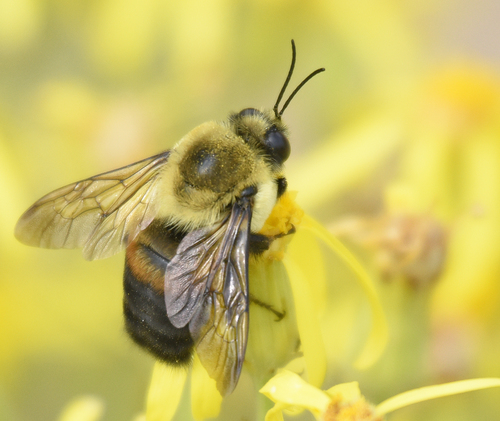
New York, US
ここで見られるかも Brown-Belted Bumble Bee, トウブハイイロリス と コマツグミ.
ガイドを見る →

Maryland, US
ここで見られるかも Bufflehead, Common Goldeneye と カモ.
ガイドを見る →
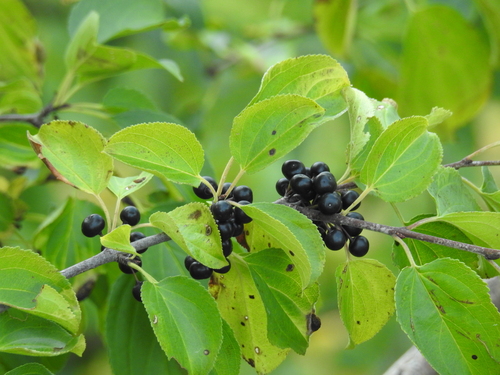
Michigan, US
ここで見られるかも Common Buckthorn, False Indigo Bush と Honey Locusts.
ガイドを見る →

Ontario, CA
ここで見られるかも ツバメ, Northern Yellow Warbler と Eastern Pricklypear.
ガイドを見る →
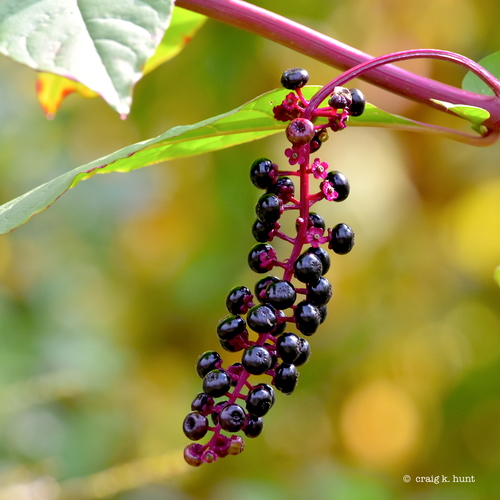
Maryland, US
ここで見られるかも American Pokeweed, アキノキリンソウの仲間 と Common Hackberry.
ガイドを見る →