






Common Wood-Pigeon
Columba palumbus
The Common Wood-Pigeon is a big, gentle bird with a soft cooing sound. They like to sit in trees and can often be seen in parks and gardens, where they search for seeds and berries to eat.
生息地: Urban areas, Forests
The Common Wood-Pigeon is a large, plump grey bird with a striking white patch on each side of its neck and a prominent white bar across its wings, especially visible in flight. Its breast often shows a rosy-pink hue, distinguishing it from other pigeons.
カテゴリ
鳥類レア度
Common
危険度
1/5 · 非常に低い
スナップ
最初にスナップしよう!
A Wood-Pigeon's wings make a loud clapping sound when it takes off, startling predators!
Their nests are often so flimsy, you can sometimes see the eggs right through the bottom!
They drink water by sucking it up like a straw, unlike most birds who tip their heads back!
Wood-Pigeons can nest up to four times a year, having lots of babies quickly!
Common Wood-Pigeons can produce 'crop milk' from their digestive system to feed their chicks, providing vital nutrients.
Common Wood-Pigeons have powerful wings that allow for rapid take-off and quick flight, helping them escape danger fast.
Common Wood-Pigeons can eat many types of seeds and then spread them through their droppings, helping plants grow in new places.
Common Wood-Pigeons have excellent hearing that helps them detect approaching predators, giving them time to flee.
These resourceful birds mostly eat yummy plant parts like seeds, berries, and fresh green leaves they find on the ground or in trees.
年齢による違い: Young chicks are fed 'crop milk' by their parents before transitioning to an adult diet of plant matter.

Accipiter nisus
A fast bird of prey that often targets Wood-Pigeons.
Quercus robur
Wood-Pigeons frequently feed on acorns from oak trees.

Martes foina
Martens can raid nests and prey on eggs, chicks, or even adults.
Felis catus
Domestic cats are opportunistic predators of various birds.
羽毛に覆われている動物(主に鳥類)を指します。
社会性動物は組織的な群れで生活し、採餌、防衛、子育てなど、生存に有利になるよう協力し合います。
さえずったり歌ったりする動物は、つがいの相手を惹きつけたり、縄張りを守ったり、同種間でコミュニケーションをとるために、複雑な声を出します。
食事のすべて、または大部分が植物で構成されている生物が持つ特徴です。

森林の生息地は木々が密集して生い茂る陸上環境であり、多種多様な動植物の命を支えています。

この特性は、同種の他の生物に比べて寿命が非常に長い生物を指します。

この特性は、狩り、逃走、または移動において、並外れた素早さを見せる生物を示します。

昼行性の動物は主に日中に活動し、通常は夜間に休息や睡眠をとります。

この生息地の特性は、人工の建造物や緑地を利用し、都市や郊外の環境で人間と共存できる種であることを示しています。
まだ別名はありません。
危険度
1/5 · 非常に低い
It's best to watch birds from a distance and not to chase them.
40-45 cm
75-80 cm
0.3-0.6 kg
3-17 年
90 km/h
These resourceful birds mostly eat yummy plant parts like seeds, berries, and fresh green leaves they find on the ground or in trees.
Urban areas, Forests
Foraging
ズームインしてクラスターを分割し、このオブジェクトが撮影された場所を探索しましょう。
新しい観察が追加されると、ここに最近のスナップが表示されます。

England, UK
ここで見られるかも Sika Deer, ヨーロッパコマドリ と Eurasian Jackdaw.
ガイドを見る →
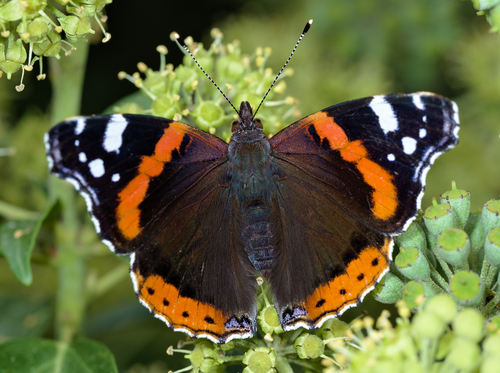
England, UK
ここで見られるかも ヨーロッパアカタテハ, Large Red Damselfly と Blue Emperor.
ガイドを見る →

England, UK
ここで見られるかも ナミテントウ, ミヤマガラス と ヨーロッパアカタテハ.
ガイドを見る →
North Denmark Region, DK
ここで見られるかも イエスズメ, Eurasian Jackdaw と Common Wood-Pigeon.
ガイドを見る →

Nouvelle-Aquitaine, FR
ここで見られるかも イエスズメ, カベカナヘビ と Common Moorhen.
ガイドを見る →

England, UK
ここで見られるかも Black Swan, Alder Leaf Beetle と アメリカヤブイチゲ.
ガイドを見る →











2_-California.jpg&width=800)
