






Cottonwood Leaf Beetle
Chrysomela scripta
The Cottonwood Leaf Beetle is a small, shiny beetle that loves to munch on cottonwood leaves. They are bright yellow with black spots, making them easy to spot on the trees they eat.
生息地: Forests
The Cottonwood Leaf Beetle has an oval, somewhat flattened body. It features a shiny, often metallic black head and thorax, with distinctive yellow or orange stripes running down its black wing covers, sometimes dotted with black spots. Its bright coloration makes it visually distinct from many other leaf beetles.
カテゴリ
昆虫レア度
Common
危険度
1/5 · 非常に低い
スナップ
最初にスナップしよう!
Mom beetles glue tiny bright yellow eggs to the bottom of leaves, like secret treasures!
Sometimes hundreds of these beetles gather together, creating a beetle party!
Too many beetles can make a cottonwood tree look like it has no leaves at all!
Young beetles are slug-like grubs that eat leaves just like their parents!
Cottonwood Leaf Beetles can release foul-tasting compounds from their bodies because they absorb plant toxins, helping them deter predators.
Cottonwood Leaf Beetles have powerful chewing mouthparts adapted for feasting on tough cottonwood and willow leaves, their main food.
Cottonwood Leaf Beetles can survive freezing temperatures by hibernating as adults in sheltered spots, waiting for spring.
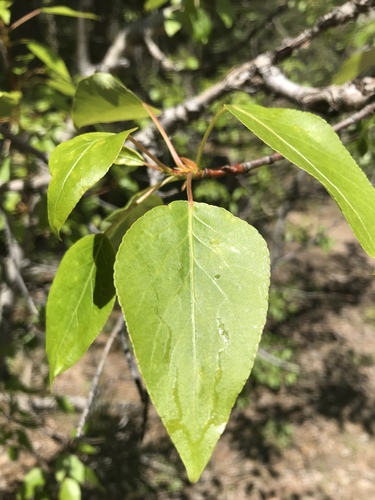
These beetles and their larvae munch exclusively on the leaves of cottonwood and willow trees.
年齢による違い: Larvae and adults both feed on host plant leaves, just in different life stages.

Populus deltoides
Beetle larvae and adults feed on its leaves.
Salix babylonica
Also a primary food source for both life stages.
Sialia sialis
Bluebirds prey on various insects, including beetles.
Araneus diadematus
Spiders can capture beetles in their sticky webs.
Chetogena scripta
Lays eggs on larvae, which are then consumed.
まだ別名はありません。
危険度
1/5 · 非常に低い
It's best to look at beetles from a distance and not touch them.
5-8 mm
30-90 日
These beetles and their larvae munch exclusively on the leaves of cottonwood and willow trees.
Forests
Grazing
6
ズームインしてクラスターを分割し、このオブジェクトが撮影された場所を探索しましょう。
新しい観察が追加されると、ここに最近のスナップが表示されます。








.jpg&width=800)



.jpg&width=800)




