

Diacrodon Compressus
diacrodon compressus
Diacrodon compressus is a resilient, low-growing herbaceous plant or subshrub native to the semi-arid regions of Brazil, most notably within the Caatinga and Cerrado biomes. Belonging to the coffee family (Rubiaceae), this specialized plant has adapted to survive in harsh, nutrient-poor, and dry sandy soils. Its common presence in seasonally dry environments makes it a vital component of the local ground cover, where it helps stabilize fragile soils against wind and water erosion. While relatively inconspicuous compared to larger woody flora, Diacrodon compressus showcases the incredible adaptation of herbaceous plants to extreme, drought-prone climates. Its small, tightly packed structures and efficient water-retention mechanisms allow it to thrive where other plants wither, making it a fascinating subject for botanical study in tropical dry forest ecology.
生息地: Found in semi-arid shrublands, Caatinga vegetation, and sandy or rocky soils of seasonal dry forests in Brazil.
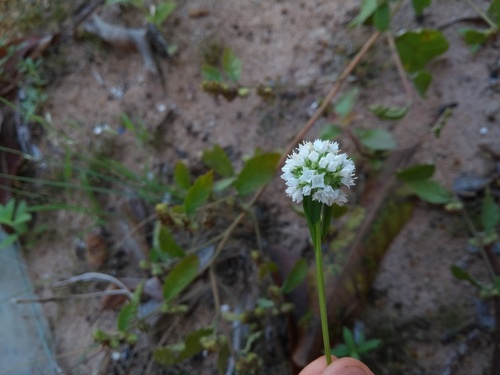
This species typically grows as a small, sprawling herb or subshrub with highly compressed, decumbent, or ascending stems. It features small, opposite, sessile leaves that are lanceolate to elliptic in shape, often with slightly revolute margins to conserve moisture. The flowers are small, inconspicuous, and typically white or pale lilac, clustered in the leaf axils. The most distinctive feature is its compressed, flattened capsules or dry fruits (schizocarps), which give the species its specific epithet compressus.
カテゴリ
植物レア度
Common
危険度
1/5 · 非常に低い
スナップ
最初にスナップしよう!
During intense dry spells, it can shed leaves or appear completely dead, only to revive rapidly within days of the first rain.
It belongs to the Rubiaceae family, making it a very distant relative of the commercial coffee plant.
Its species name 'compressus' refers to its flattened, compressed dry fruits, which help in efficient packing of seeds.
Features small, thick, sessile leaves that reduce transpiration rates to conserve precious water during prolonged dry seasons.
Produces flattened, compact capsule fruits that are highly resilient to desiccation and easily dispersed by wind or local run-off.
Grows low to the ground to avoid harsh drying winds and maximize shade under larger desert shrubs.
As an autotrophic plant, it creates its own energy through photosynthesis, converting sunlight, carbon dioxide, and water into sugars.
Melipona subnitida
Visits the small flowers for nectar and pollen, acting as a key pollinator.
Kerodon rupestris
Feeds on the leaves and stems of herbaceous plants in rocky Caatinga habitats.
このオブジェクトにはまだ特徴バッジが割り当てられていません。
まだ別名はありません。
テーマが追加されると、このオブジェクトのコレクションがここに表示されます。
危険度
1/5 · 非常に低い
まだ特別な安全上の注意はありません。
Diacrodon Compressusを識別する最も簡単な方法は、Snappit自然識別アプリを使用することです。
10-40 cm
1-5 年
As an autotrophic plant, it creates its own energy through photosynthesis, converting sunlight, carbon dioxide, and water into sugars.
Found in semi-arid shrublands, Caatinga vegetation, and sandy or rocky soils of seasonal dry forests in Brazil.
Photosynthesis
ズームインしてクラスターを分割し、このオブジェクトが撮影された場所を探索しましょう。
新しい観察が追加されると、ここに最近のスナップが表示されます。