.JPG&width=800)





Eastern Cottontail
Sylvilagus floridanus
The Eastern Cottontail is a fluffy rabbit with big ears and a cute cotton-like tail. They love to hop around in gardens and fields, munching on grass and veggies!
生息地: Grasslands
The Eastern Cottontail has soft, brownish-gray fur with a distinctive fluffy white tail that resembles a cotton ball. Its underside is light gray to white, and it possesses large eyes and prominent ears. Its earth-toned coat helps it blend into natural surroundings.
カテゴリ
哺乳類レア度
Common
危険度
1/5 · 非常に低い
スナップ
最初にスナップしよう!
Wow! A cottontail can jump an impressive 15 feet in a single powerful bound!
Wow! Cottontail teeth never stop growing, so they constantly gnaw to keep them short!
Wow! Each year, a female cottontail can have up to seven litters of baby bunnies!
Wow! They eat their own special poop, called cecotropes, to get extra nutrients!
Eastern Cottontails can run in unpredictable zigzags that help them confuse and escape from chasing predators.
Eastern Cottontails have large, swiveling ears that help them pinpoint predator sounds from a distance.
Eastern Cottontails have earth-toned fur that helps them blend perfectly into their habitat, avoiding detection.
These herbivores munch on various plants, like grasses, leaves, and twigs, to get all their energy.
年齢による違い: Young kits drink mother's milk, then slowly transition to solid plant foods.
Canis latrans
Coyotes actively hunt cottontails for food.
Buteo jamaicensis
Hawks spot and capture cottontails from above.
Lynx rufus
Bobcats are skilled predators of cottontail rabbits.
_Clock_-_Tennessee%2C_USA_-_May_31%2C_2014.jpg&width=800)
Taraxacum officinale
Cottontails frequently consume dandelion leaves.
柔らかい体毛や毛皮が密集して体を覆っている動物の特徴を表します。
社会性動物は組織的な群れで生活し、採餌、防衛、子育てなど、生存に有利になるよう協力し合います。
穴を掘る動物は、地中にトンネルや小部屋を作り、その地下の空間を隠れ家や狩り、繁殖のために利用します。
草原の生息地は、草や草本植物が優占する陸上バイオームであり、多様な草食動物を支えています。

食事のすべて、または大部分が植物で構成されている生物が持つ特徴です。

この特性は、狩り、逃走、または移動において、並外れた素早さを見せる生物を示します。

夜行性の動物は主に夜間に活動し、通常、日中は休んだり眠ったりしています。
危険度
1/5 · 非常に低い
If you see a rabbit, watch quietly from a distance. Don't try to touch or chase them.
38-48 cm
0.8-1.5 kg
2-5 年
29 km/h
These herbivores munch on various plants, like grasses, leaves, and twigs, to get all their energy.
Grasslands
Foraging
1-8
ズームインしてクラスターを分割し、このオブジェクトが撮影された場所を探索しましょう。
新しい観察が追加されると、ここに最近のスナップが表示されます。

Massachusetts, US
ここで見られるかも カモ, コマツグミ と コブハクチョウ.
ガイドを見る →

Maryland, US
ここで見られるかも オオアオサギ, ルリツグミ と オジロジカ.
ガイドを見る →
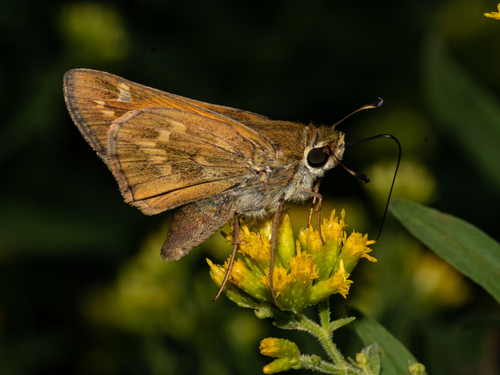
New Jersey, US
ここで見られるかも Huron Skipper, オオアオサギ と コマツグミ.
ガイドを見る →
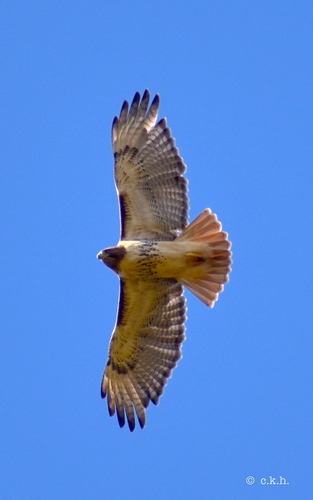
New Hampshire, US
ここで見られるかも アカオノスリ, ショウジョウコウカンチョウ と Chipping Sparrow.
ガイドを見る →
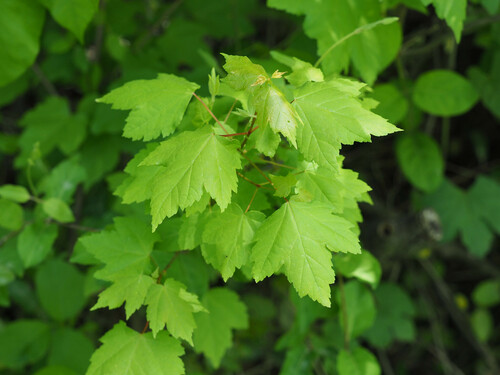
Virginia, US
ここで見られるかも ベニカエデ, Spotted Lanternfly と ショウジョウコウカンチョウ.
ガイドを見る →

Minnesota, US
ここで見られるかも Rue Anemone, Eastern Skunk Cabbage と Bloodroot.
ガイドを見る →