Eccentric Sand Dollar
dendraster excentricus
The Eccentric Sand Dollar has a unique star-shaped pattern on its shell that looks like a beautiful design! Kids love to find these treasures on the beach and learn about the ocean's secrets!
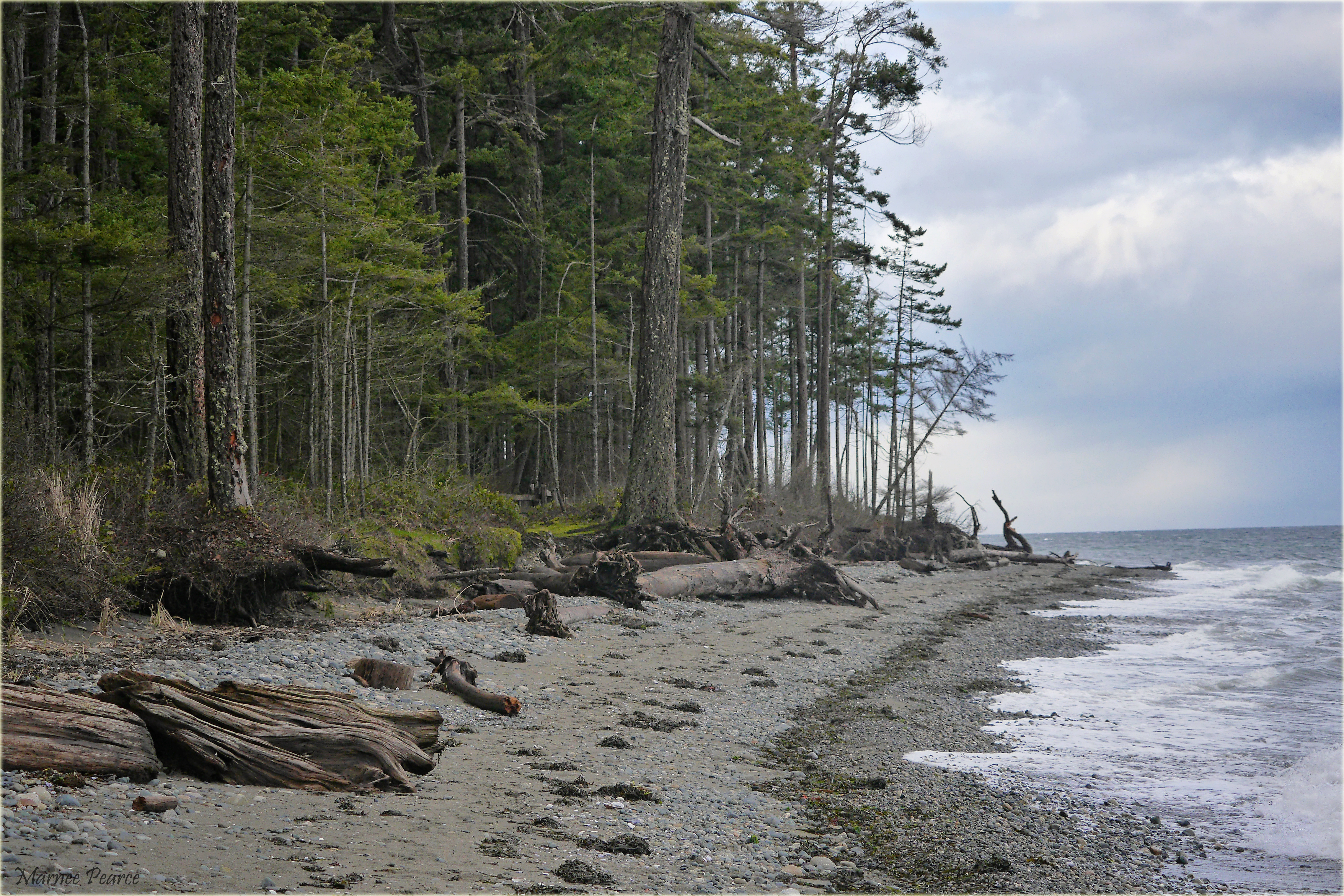
生息地: Sandy ocean floors along the Pacific Coast
The Eccentric Sand Dollar is a flattened, disc-shaped echinoderm, typically grey to purple-brown. Its distinctive five-petal flower pattern is located off-center, making it visually unique among other sand dollar species.
カテゴリ
Invertebrateレア度
Common
危険度
0/5 · 危険なし
スナップ
最初にスナップしよう!
A sand dollar's hard skeleton is called a 'test' – like a tiny suit of armor!
Sometimes, their 'flower' pattern looks like a dove when held to the light!
They can gather up to 60,000 tiny grains of sand to help them stay anchored!
They use microscopic hairs called cilia to move collected food towards their mouth!
Eccentric Sand Dollar can quickly burrow into the sand using its short spines and tube feet, which helps them hide from predators.
Eccentric Sand Dollar has tiny hairs called cilia on its spines that help them collect small food particles from the water column.
Eccentric Sand Dollar can use its spines and tube feet to flip itself over quickly if it gets overturned by ocean currents.
These marine invertebrates filter tiny bits of food from the water and sand to eat.
年齢による違い: null

Pycnopodia helianthoides
A major predator of adult sand dollars in the Pacific Ocean.

Cancer magister
Crabs can crush their hard 'tests' to consume the soft tissue inside.
Engraulis mordax
Larval sand dollars are a common food source for small plankton-eating fish.
危険度
0/5 · 危険なし
まだ特別な安全上の注意はありません。
7.5 cm
10 年
These marine invertebrates filter tiny bits of food from the water and sand to eat.
Sandy ocean floors along the Pacific Coast
Filter Feeding
1 cm
ズームインしてクラスターを分割し、このオブジェクトが撮影された場所を探索しましょう。
新しい観察が追加されると、ここに最近のスナップが表示されます。





.jpg)