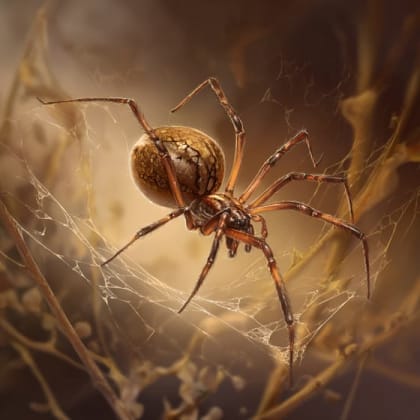
Egira
Egira
Egira is a type of moth that is often found in gardens and forests. They have beautiful patterns on their wings and are active at night, making them special nighttime visitors.
生息地: Forests
The Egira has a fuzzy, stout body typically covered in brown, grey, or olive-green scales. Its broad, triangular wings feature intricate patterns of darker lines and spots, providing excellent camouflage against tree bark or leaves. A distinctive, feathery antenna set it apart visually.
カテゴリ
昆虫レア度
Common
危険度
1/5 · 非常に低い
スナップ
最初にスナップしよう!
An Egira caterpillar eats so much that it grows its body size by thousands of times before becoming a moth!
Many Egira moths don't eat at all during their adult life, living only to mate and lay eggs!
Some Egira caterpillars can puff up their heads to look like a snake, scaring away hungry birds.
The 'dust' that comes off moth wings is actually thousands of tiny, colorful scales.
Egira has large compound eyes that help them navigate and find food in low-light conditions, even on moonless nights.
Egira can detect the faint scent of flowers and even potential mates from far away using their specialized antennae.
Egira can blend perfectly into its surroundings because of its patterned wings, making it nearly invisible to predators.
Adult Egira moths sip flower nectar, while their hungry caterpillars munch on leaves.
年齢による違い: Egira caterpillars primarily eat plant leaves and stems, while adult moths primarily feed on nectar and plant sap.
%2C_Parc_de_Woluw%C3%A9%2C_Brussels_(13042792905).jpg&width=800)
Parus major
Birds like tits prey on adult moths and caterpillars.
Quercus alba
Egira caterpillars often feed on the leaves of oak trees.

Lonicera japonica
Adult moths visit various flowers, transferring pollen.
Cotesia congregata
Wasps lay eggs on Egira caterpillars, whose larvae then consume the host.
柔らかい体毛や毛皮が密集して体を覆っている動物の特徴を表します。
周囲の環境に溶け込むような色や模様を持つ生物の特徴を指します。
カラフルとは、生物や物体が明るくはっきりとした多様な色合いを見せることを指します。
多種多様な花粉媒介者(ポリネーター)にとって特に魅力的で有益な植物を表します。

食事のすべて、または大部分が植物で構成されている生物が持つ特徴です。

森林の生息地は木々が密集して生い茂る陸上環境であり、多種多様な動植物の命を支えています。

この特性は、狩り、逃走、または移動において、並外れた素早さを見せる生物を示します。

夜行性の動物は主に夜間に活動し、通常、日中は休んだり眠ったりしています。

花粉を運び、植物の受粉と繁殖を助ける生物のことを指します。
まだ別名はありません。
危険度
1/5 · 非常に低い
Don't touch moths, as some can be delicate and may not like being handled.
50-80 mm
25-45 mm
15-30 日
15 km/h
Adult Egira moths sip flower nectar, while their hungry caterpillars munch on leaves.
Forests
Foraging
6
ズームインしてクラスターを分割し、このオブジェクトが撮影された場所を探索しましょう。
新しい観察が追加されると、ここに最近のスナップが表示されます。







.jpg&width=800)