

Enicospilus
enicospilus
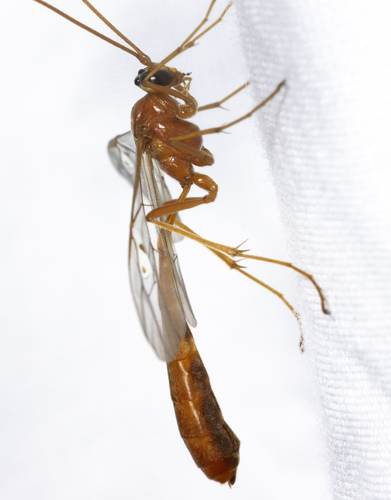
Enicospilus is a fascinating and highly diverse genus of parasitoid wasps belonging to the family Ichneumonidae. Easily recognized by their slender, elegant silhouettes and warm amber-orange hues, these remarkable insects play a crucial ecological role as natural pest controllers. Unlike many of their diurnal wasp relatives, Enicospilus species are predominantly nocturnal, navigating the darkness of forests and fields in search of host caterpillars. Their graceful, fluid movements in flight make them a captivating sight for night-time observers. These wasps are solitary and do not construct nests or live in colonies. Instead, females spend their adult lives searching for specific caterpillar hosts, primarily from moth families like Noctuidae. By depositing a single egg inside a host, the wasp larvae develop internally, regulating caterpillar populations and maintaining balance within their ecosystems. For nature enthusiasts and gardeners alike, these nocturnal guardians are valuable allies in controlling leaf-eating pests.
生息地: Typically found in deciduous forests, woodlands, grasslands, and suburban gardens, especially in areas with dense vegetation where host moths are active.
Enicospilus wasps are distinguished by their monochromatic golden-yellow to reddish-brown coloration and remarkably slender bodies. They feature an exceptionally compressed, sickle-shaped abdomen and long, thread-like antennae. Their heads are dominated by exceptionally large, glassy compound eyes and three prominent, swollen simple eyes adapted for low-light vision. A key anatomical identifier is found in their clear forewings: a distinct, hairless, transparent window known as a fenestra that often contains one or more small, hardened, amber-colored structures called sclerites. They typically range from 1.5 to 3 centimeters in body length.
カテゴリ
昆虫レア度
Common
危険度
1/5 · 非常に低い
スナップ
最初にスナップしよう!
Although they look intimidating and can pinch with their sharp ovipositor if grabbed, they lack defensive venom and are completely harmless to humans.
The tiny transparent window in their wings (the fenestra) is a key feature taxonomists use to identify different species within this massive genus.
Their large, bulbous simple eyes (ocelli) act like light-gathering lenses, allowing them to fly effortlessly and spot hosts in near-total darkness.
They are highly attracted to artificial light sources, making them one of the most common wasps encountered by nocturnal insect collectors and home porch lights.
Utilizes oversized simple eyes (ocelli) to navigate and locate hosts in near-total darkness.
Females use highly sensitive antennae to track down host caterpillars and precisely inject a single egg.
Features a specialized clear fenestra in the forewing to optimize wing aerodynamics during nocturnal flights.
Adults feed on plant fluids such as nectar and honeydew for energy, while the carnivorous larvae develop inside and consume the tissues of moth caterpillars.
Noctua pronuba
Enicospilus females locate and deposit eggs inside the caterpillars of this widespread moth.
Spodoptera frugiperda
The wasp acts as an important natural biological control agent by parasitizing these crop-damaging caterpillars.
Vespa crabro
These large nocturnal hornets occasionally hunt and consume adult Enicospilus wasps attracted to artificial lights.
このオブジェクトにはまだ特徴バッジが割り当てられていません。
まだ別名はありません。
テーマが追加されると、このオブジェクトのコレクションがここに表示されます。
危険度
1/5 · 非常に低い
まだ特別な安全上の注意はありません。
Enicospilusを識別する最も簡単な方法は、Snappit自然識別アプリを使用することです。
1+ cm
2+ cm
0.0001+ kg
0+ 年
15 km/h
Adults feed on plant fluids such as nectar and honeydew for energy, while the carnivorous larvae develop inside and consume the tissues of moth caterpillars.
Typically found in deciduous forests, woodlands, grasslands, and suburban gardens, especially in areas with dense vegetation where host moths are active.
ズームインしてクラスターを分割し、このオブジェクトが撮影された場所を探索しましょう。
新しい観察が追加されると、ここに最近のスナップが表示されます。









.jpg&width=800)



