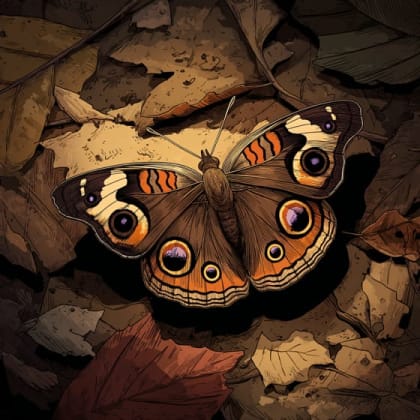
European Orchard Bee
Osmia cornuta
The European Orchard Bee is a small, friendly bee that loves to visit flowers. They are great at helping plants grow by spreading pollen. These bees are often seen buzzing around gardens and orchards.
生息地: Urban areas, gardens, orchards
The European Orchard Bee has a robust, medium-sized body. It is mostly black with a fuzzy, reddish-brown abdomen, contrasted by sparse black hairs on its head and thorax. Males are smaller and possess a distinctive white hair tuft on their face.
カテゴリ
昆虫レア度
Common
危険度
1/5 · 非常に低い
スナップ
最初にスナップしよう!
Female orchard bees have two small 'horns' on their face, which they use to shape mud walls for their babies!
Male orchard bees hatch first, waiting around for the females to emerge, ready to start new families!
These bees are called 'mason bees' because they use mud and clay like tiny bricklayers to build their nests!
They carry pollen on their fuzzy bellies, not their legs, making them super-efficient at spreading it between flowers!
European Orchard Bee can efficiently pollinate many plants because it collects pollen on its belly, helping fruit trees produce more.
European Orchard Bee can build strong nests because it uses mud and clay to create individual cell walls inside natural cavities.
European Orchard Bee has a clever strategy to find homes because it uses existing tunnels like hollow stems or old beetle holes for nesting.
These bees drink nectar for energy and gather pollen to feed their growing babies.
Malus domestica
Helps produce delicious apples.
Prunus avium
Essential for cherry fruit production.
Monodontomerus obsoletus
Lays eggs inside bee cocoons.
Pardosa amentata
Preys on adult bees.
柔らかい体毛や毛皮が密集して体を覆っている動物の特徴を表します。
単独行動をとる動物は、繁殖や子育ての時を除き、生涯のほとんどを1匹で生活します。
多種多様な花粉媒介者(ポリネーター)にとって特に魅力的で有益な植物を表します。
食事のすべて、または大部分が植物で構成されている生物が持つ特徴です。

その存在と役割が環境に対して極めて大きな影響を与える種を指します。

昼行性の動物は主に日中に活動し、通常は夜間に休息や睡眠をとります。

この生息地の特性は、人工の建造物や緑地を利用し、都市や郊外の環境で人間と共存できる種であることを示しています。

花粉を運び、植物の受粉と繁殖を助ける生物のことを指します。
まだ別名はありません。
危険度
1/5 · 非常に低い
These bees are friendly and won't sting unless they feel scared. Just watch them from a distance!
20-30 mm
10-15 mm
14-42 日
5-15 km/h
These bees drink nectar for energy and gather pollen to feed their growing babies.
Urban areas, gardens, orchards
Foraging
6
ズームインしてクラスターを分割し、このオブジェクトが撮影された場所を探索しましょう。
新しい観察が追加されると、ここに最近のスナップが表示されます。







_male.jpg&width=800)