Giant Mayfly
Hexagenia limbata
The Giant Mayfly is a large insect that lives near water. They are known for their beautiful wings and short life as adults, which is just a few days!
生息地: Wetlands
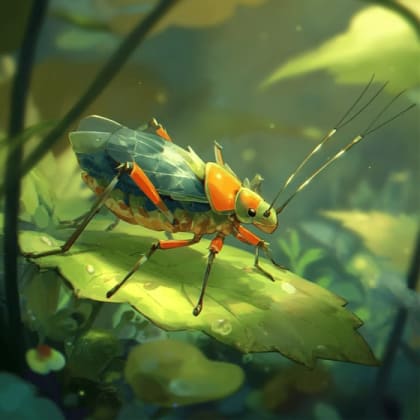
The Giant Mayfly has a slender, yellowish-brown body with large, clear triangular wings veined like stained glass. It is visually distinct by its three long, thin tail filaments and often mottled thorax, making it one of the largest mayfly species.
カテゴリ
昆虫レア度
Common
危険度
1/5 · 非常に低い
スナップ
最初にスナップしよう!
Giant Mayflies spend almost their entire lives underwater as tiny nymphs!
Male mayflies perform amazing aerial dances to attract females at dusk!
Mayflies are an ancient insect group, having existed for over 300 million years!
They have no mouthparts as adults, meaning they never eat anything!
Giant Mayfly has an incredibly short adult lifespan that helps them mate quickly before they perish.
Giant Mayfly nymphs can dig U-shaped burrows using modified mandibles to shelter from predators and currents.
Giant Mayfly nymphs require clean, oxygen-rich water, making their presence a sign of a healthy aquatic ecosystem.
Giant Mayflies are the only insects that shed their skin again as a winged adult (subimago) before their final flight.
Nymphs munch on tiny plant bits and decaying matter, while adults don't eat at all!
年齢による違い: Nymphs eat algae and decaying matter underwater, but adults do not eat, focusing solely on reproduction.
Salmo trutta
Trout fiercely hunt mayfly nymphs and emerging adults.
Oncorhynchus mykiss
Rainbow Trout feast on the abundant mayfly nymphs in rivers.
Tachycineta bicolor
Swallows dart through swarms, catching adult mayflies mid-air.
Spirogyra porticalis
Mayfly nymphs graze on this common filamentous algae in their habitat.
Cladophora glomerata
Nymphs scrape and consume this common attached algae from surfaces.
単独行動をとる動物は、繁殖や子育ての時を除き、生涯のほとんどを1匹で生活します。
空中性の生き物は、生涯の大部分を空中で過ごし、狩りや渡り、巣作りなど様々な活動を飛びながら行います。
カラフルとは、生物や物体が明るくはっきりとした多様な色合いを見せることを指します。
食事のすべて、または大部分が植物で構成されている生物が持つ特徴です。

この生息地特性は、湿地(年間を通して、または季節的に水に浸かっている沼や湿原などの土地)で見られる種を示します。

その存在と役割が環境に対して極めて大きな影響を与える種を指します。

昼行性の動物は主に日中に活動し、通常は夜間に休息や睡眠をとります。

淡水の生息地には、川、湖、池、湿地などの塩分を含まない水辺の環境が含まれ、多くの生物にとって不可欠な場所です。

「巨大」とは、その種や分類の平均よりも著しくサイズが大きい生物や物体を指します。

花粉を運び、植物の受粉と繁殖を助ける生物のことを指します。

絶滅危惧とは、その種が近い将来、野生において絶滅する危険性が非常に高いことを示しています。
まだ別名はありません。
危険度
1/5 · 非常に低い
Giant Mayflies are harmless, but it's best to watch them from a distance.
40-70 mm
25-30 mm
1-2 日
10 km/h
Nymphs munch on tiny plant bits and decaying matter, while adults don't eat at all!
Wetlands
Foraging
6
ズームインしてクラスターを分割し、このオブジェクトが撮影された場所を探索しましょう。
新しい観察が追加されると、ここに最近のスナップが表示されます。