






Greater Scaup
Aythya marila
The Greater Scaup is a beautiful duck that loves to swim in lakes and ponds. They have a striking green head and a round body, making them easy to spot when they are floating on the water.
生息地: Wetlands
The Greater Scaup is a medium-sized diving duck. Males have a glossy black head that often shines purple or green in light, a grey back, and bright white sides. Females are brown with a distinctive white patch at the base of their bill.
カテゴリ
鳥類レア度
Common
危険度
1/5 · 非常に低い
スナップ
最初にスナップしよう!
A Greater Scaup can hold its breath for over a minute while diving deep to find tasty snacks!
Greater Scaup often gather in enormous flocks called 'rafts' on the water, sometimes numbering thousands!
Their striking golden-yellow eyes glow brightly, helping them see clearly both above and below the water.
They are sometimes called 'bluebills' because of the subtle bluish tint on their wide, shovel-like bills.
Greater Scaup can dive to surprising depths because of their dense bodies and strong leg muscles that help them chase underwater prey.
Greater Scaup has excellent underwater vision that helps them spot hidden mussels and other food in murky waters.
Greater Scaup can fly thousands of kilometers due to their powerful wings, helping them find warm wintering grounds.
These ducks love to feast on shellfish and aquatic insects found underwater!
年齢による違い: Young scaup eat more aquatic insects; adults consume more mollusks and crustaceans.
Haliaeetus leucocephalus
Adults can be preyed upon by this large raptor.
Bubo virginianus
Ducklings and sometimes adults are vulnerable to this nocturnal hunter.
Vulpes vulpes
Nests and eggs are often targeted by opportunistic predators.

Mytilus edulis
A primary food source, often consumed in large quantities.
羽毛に覆われている動物(主に鳥類)を指します。
社会性動物は組織的な群れで生活し、採餌、防衛、子育てなど、生存に有利になるよう協力し合います。
この特性は、植物と動物の両方を食べる生物を示します。
ろ過食動物は、水中に浮遊する食べ物の粒や小さな生物をこし取ることで栄養を得ます。

カラフルとは、生物や物体が明るくはっきりとした多様な色合いを見せることを指します。

この生息地特性は、湿地(年間を通して、または季節的に水に浸かっている沼や湿原などの土地)で見られる種を示します。

その存在と役割が環境に対して極めて大きな影響を与える種を指します。

昼行性の動物は主に日中に活動し、通常は夜間に休息や睡眠をとります。

淡水の生息地には、川、湖、池、湿地などの塩分を含まない水辺の環境が含まれ、多くの生物にとって不可欠な場所です。

水生の生息地には、海、川、湖、湿地など、生物が主に水中で生活する環境が含まれます。

移動性の動物は、気候の変化や食べ物の有無に合わせて、季節ごとに地域から地域へと移動します。
危険度
1/5 · 非常に低い
Always watch ducks from a distance and do not feed them bread.
42-51 cm
71-84 cm
0.7-1.3 kg
10-15 年
80 km/h
These ducks love to feast on shellfish and aquatic insects found underwater!
Wetlands
Foraging
ズームインしてクラスターを分割し、このオブジェクトが撮影された場所を探索しましょう。
新しい観察が追加されると、ここに最近のスナップが表示されます。
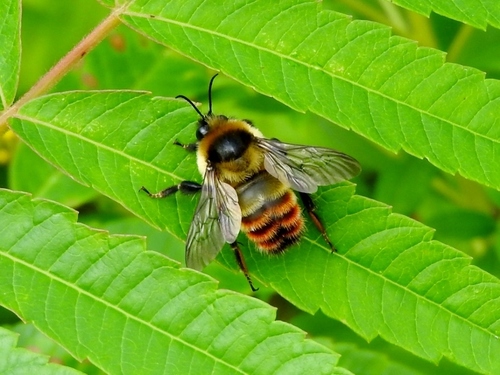
Wisconsin, US
ここで見られるかも Red-Belted Bumble Bee, Red-Breasted Merganser と カモ.
ガイドを見る →
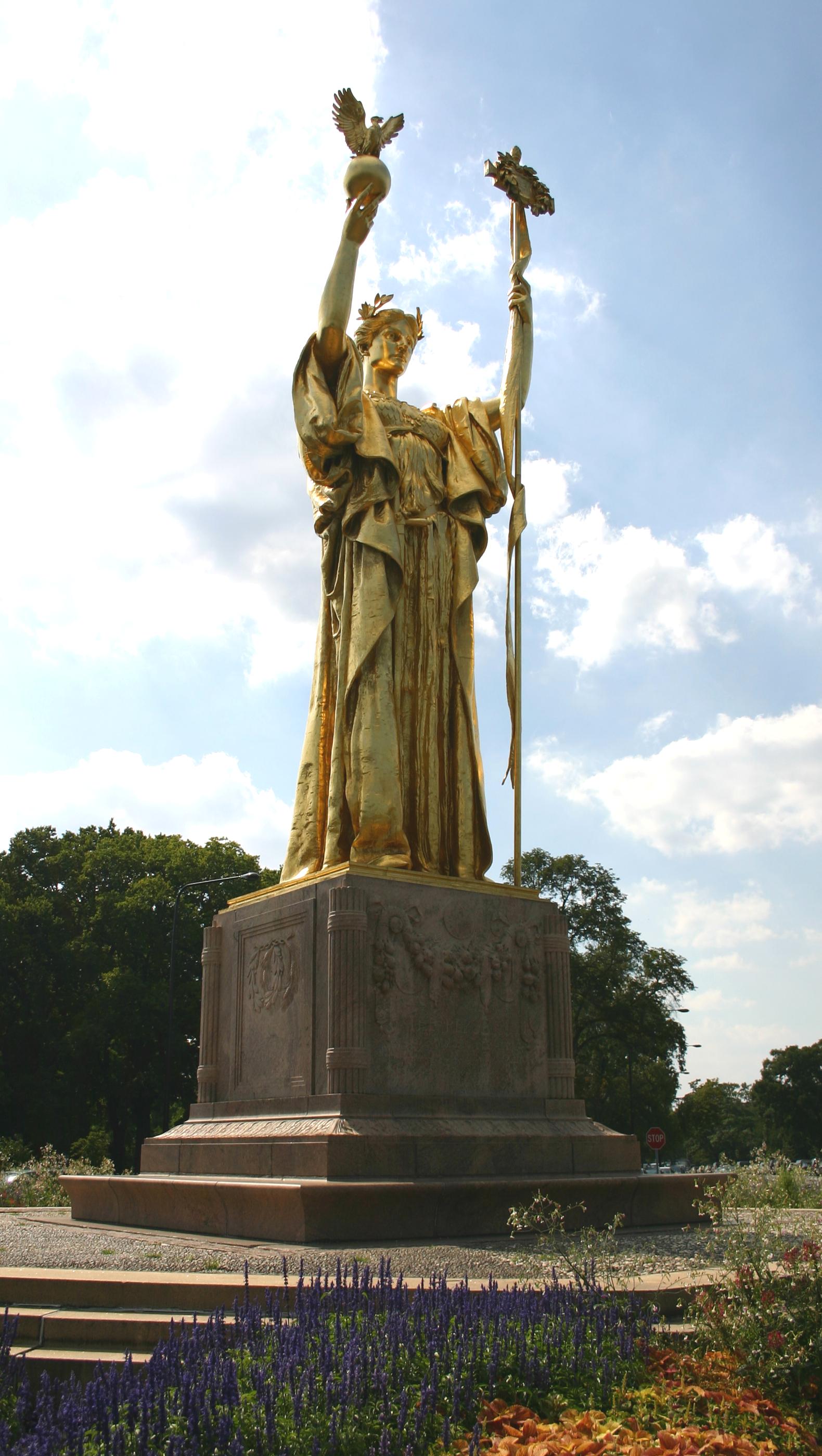
Illinois, US
ここで見られるかも オオアオサギ, American Herring Gull と コマツグミ.
ガイドを見る →

British Columbia, CA
ここで見られるかも Greater Yellowlegs, Glaucous-Winged Gull と ヨーロッパブナ.
ガイドを見る →




_(6944171846).jpg&width=800)


.jpg&width=800)



