



hairy vetch
Vicia villosa
Hairy vetch is a climbing plant with fuzzy leaves and pretty purple flowers. It grows in fields and gardens, helping to make the soil healthy and full of nutrients.
生息地: Grasslands
The hairy vetch has slender, fuzzy stems that twine and climb. Its feather-like leaves end in grasping tendrils. Bright purplish-blue flowers grow in dense, one-sided clusters along a stalk, making it easy to spot.
カテゴリ
植物レア度
Common
危険度
1/5 · 非常に低い
スナップ
最初にスナップしよう!
Farmers sometimes plant it as "green manure" to improve farm soil.
Its name comes from the fuzzy hairs covering its stems and leaves!
The tendrils act like tiny grappling hooks, helping it cling tightly.
Vetch seeds can stay hidden in the soil for many years before sprouting!
Special root nodules host bacteria that convert air's nitrogen into food for the plant and enrich the soil.
Its deep roots help to break up compacted soil and prevent erosion, making the ground healthier.
Apis mellifera
Collects nectar and pollen from its purple flowers.
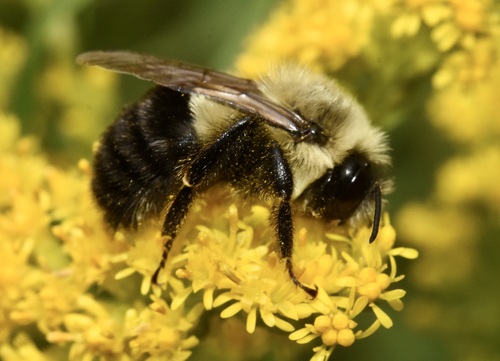
Bombus terrestris
A vital pollinator, helping flowers create seeds.
Rhizobium leguminosarum
Lives in roots, helping the vetch get nitrogen from air.
Aphis fabae
Feeds on sap, often found in clusters on young shoots.
つる植物は、巻きひげや付着根を使ったり、茎をほかのものに巻きつけたりして上へ伸びる性質が特徴です。
大気中の窒素を植物が利用可能な化合物に変換する能力を持つ生物を指します。
開花植物とは、繁殖サイクルの一部として花を咲かせるすべての植物のことです。
二年草は、2回の生育期を経てライフサイクルを完了します。通常、1年目に葉を茂らせ、2年目に開花して種子を作ります。

夏咲きの植物は夏の間に花を咲かせます。他の多くの植物が花を終えた後でも、鮮やかな彩りを与えてくれます。

春咲きの植物は春の季節に花を咲かせ、冬の終わりと新たな成長の始まりを告げます。

多種多様な花粉媒介者(ポリネーター)にとって特に魅力的で有益な植物を表します。

草原の生息地は、草や草本植物が優占する陸上バイオームであり、多様な草食動物を支えています。

その存在と役割が環境に対して極めて大きな影響を与える種を指します。
まだ別名はありません。
危険度
1/5 · 非常に低い
Always ask an adult before touching or picking plants in nature.
30-200 cm
30-100 cm
1-1.5 cm
Late spring to early summer
はい
なし
一年生
昆虫
ズームインしてクラスターを分割し、このオブジェクトが撮影された場所を探索しましょう。
新しい観察が追加されると、ここに最近のスナップが表示されます。