






Harlequin Duck
Histrionicus histrionicus
The Harlequin Duck is a colorful bird that loves to swim in fast-moving rivers and coastal waters. With its bright patterns, it looks like a little swimming rainbow!
生息地: Coastal areas, rivers
The Harlequin Duck has striking plumage, with males displaying slate-blue bodies, chestnut flanks, and crisp white patches and crescents on their face and body. Females are duller brown with three distinct white spots on their head, making them look visually different from most other ducks.
カテゴリ
鳥類レア度
Common
危険度
1/5 · 非常に低い
スナップ
最初にスナップしよう!
Harlequin ducklings can dive and feed themselves just a few days after hatching!
Harlequins can dive deeper than 30 feet to find their favorite underwater snacks!
These ducks don't quack; instead, they make funny squeaks and whistles!
They will return to the exact same breeding spots on rivers year after year!
Harlequin Ducks can dive and swim against powerful river currents because their streamlined body helps them move with ease.
The Harlequin Duck has strong feet and claws that help them cling to rocks in crashing waves without being swept away.
Harlequin Ducks can see clearly underwater because their eyes are adapted to spot prey in murky or fast-moving water.
These diving ducks love to feast on crunchy insects and tasty shellfish found underwater!
年齢による違い: Young ducklings start with smaller aquatic insects and gradually add larger prey as they grow.
Haliaeetus leucocephalus
Juvenile Harlequins can be prey.
Lontra canadensis
Otters may prey on eggs or ducklings.
Mytilus californianus
Harlequin ducks dive for these shellfish.
Hydropsyche occidentalis
Ducklings and adults eat their larvae.
羽毛に覆われている動物(主に鳥類)を指します。
足の指が膜で繋がっているのが特徴で、通常は泳ぐために役立ちます。
社会性動物は組織的な群れで生活し、採餌、防衛、子育てなど、生存に有利になるよう協力し合います。
カラフルとは、生物や物体が明るくはっきりとした多様な色合いを見せることを指します。

沿岸の生息地は、陸と海の境界に位置し、潮の満ち引き、波、海水の影響を受けるダイナミックな環境です。

昼行性の動物は主に日中に活動し、通常は夜間に休息や睡眠をとります。

淡水の生息地には、川、湖、池、湿地などの塩分を含まない水辺の環境が含まれ、多くの生物にとって不可欠な場所です。

この特徴は、食事のすべて、または大部分が動物の肉である生物を示します。

水生の生息地には、海、川、湖、湿地など、生物が主に水中で生活する環境が含まれます。

海洋生息地は、地球上のすべての海水環境を含み、非常に多様な水生生物を支えています。

移動性の動物は、気候の変化や食べ物の有無に合わせて、季節ごとに地域から地域へと移動します。

「絶滅のおそれ」のステータスは、効果的な保全活動を行わなければ近い将来に絶滅危惧種になる可能性が高い種を示しています。
危険度
1/5 · 非常に低い
Always watch birds from a distance and don't try to touch them.
38-46 cm
63-70 cm
0.5-0.75 kg
6-10 年
70 km/h
These diving ducks love to feast on crunchy insects and tasty shellfish found underwater!
Coastal areas, rivers
Pursuit
ズームインしてクラスターを分割し、このオブジェクトが撮影された場所を探索しましょう。
新しい観察が追加されると、ここに最近のスナップが表示されます。

British Columbia, CA
ここで見られるかも ツバメ, Pelagic Cormorant と アシカ.
ガイドを見る →

British Columbia, CA
ここで見られるかも ハクトウワシ, Harlequin Duck と Barrow's Goldeneye.
ガイドを見る →

Washington, US
ここで見られるかも アカギツネ, Ghost Pipe と ブラックベリー.
ガイドを見る →

British Columbia, CA
ここで見られるかも バナナナメクジ, Arctic Butterbur と Coastal Brookfoam.
ガイドを見る →
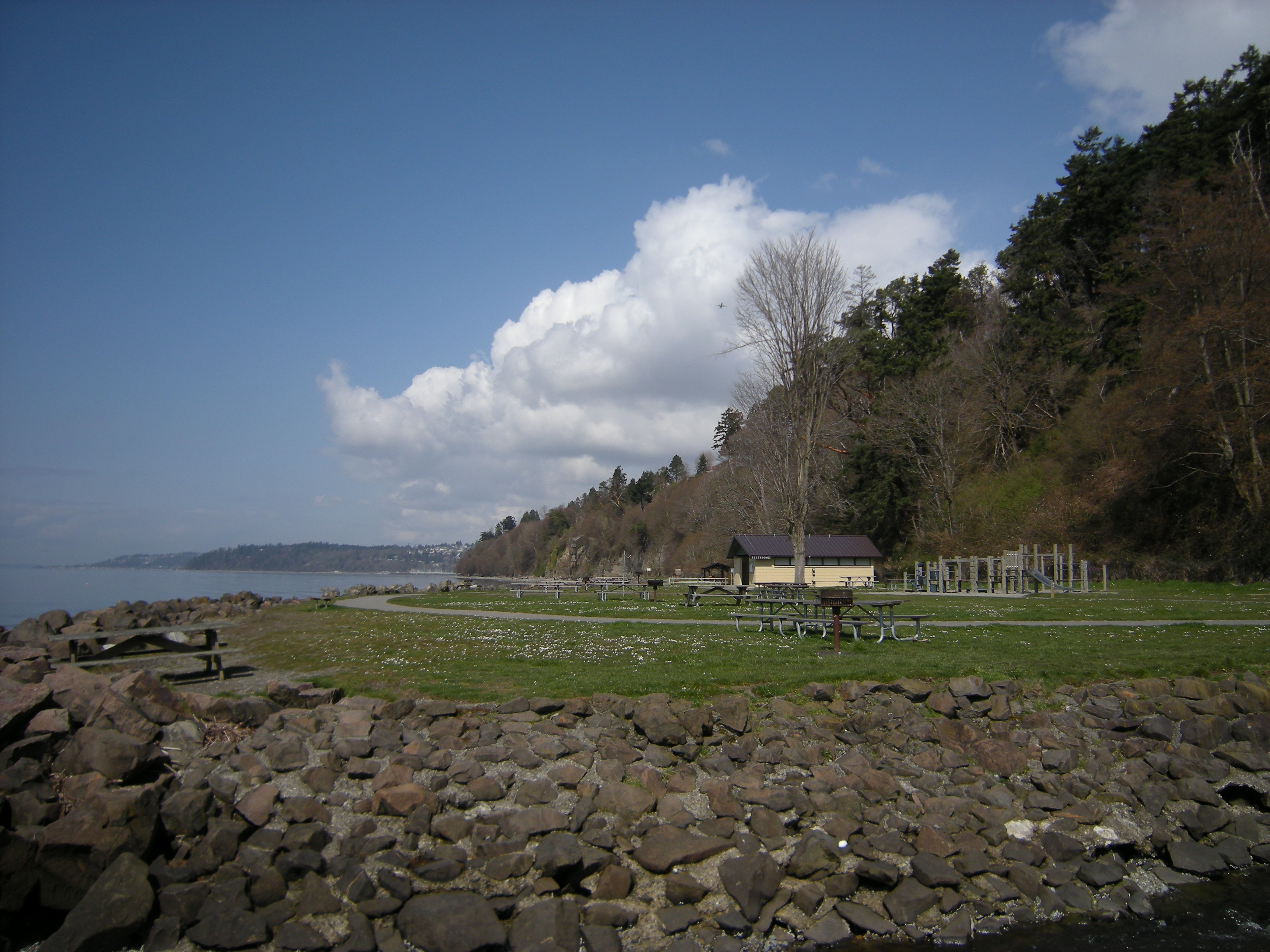
Washington, US
ここで見られるかも Bigleaf Maple, Western Redcedar と Aggregating Anemone.
ガイドを見る →




_(39660989151).jpg&width=800)

_female%2C_breeding_plumage.jpg&width=800)




