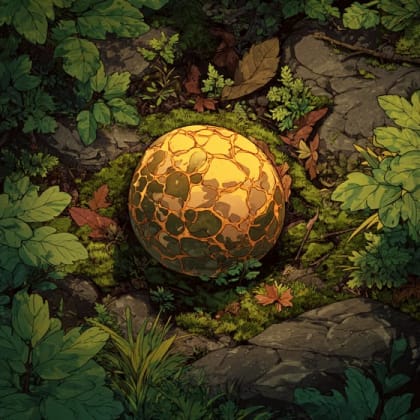
Hexagonal-Pored Polypore
neofavolus alveolaris
The Hexagonal-Pored Polypore is a unique fungus that looks like a honeycomb! It's often found growing on decaying wood, helping nature break down old trees.
生息地: Forests, usually on decaying wood.
The Hexagonal-Pored Polypore has a fan-shaped or kidney-shaped cap, often pale yellow, orange, or brownish when young. Its most distinctive feature is the underside, covered with prominent, angular, hexagonal pores that give it a honeycomb-like appearance, making it visually unique among shelf fungi.
カテゴリ
菌類レア度
Common
危険度
0/5 · 危険なし
スナップ
最初にスナップしよう!
It changes color from bright orange when young to pale cream or brown as it ages!
Its scientific name, 'alveolaris,' means 'like a honeycomb' from its unique pore pattern!
This fungus can grow incredibly quickly, sometimes appearing almost overnight on dead logs after rain!
You might find tiny beetles or other insects nibbling on its cap or hiding in its honeycomb pores!
Hexagonal-Pored Polypore can break down dead wood because it releases special enzymes that help recycle nutrients into the soil.
Hexagonal-Pored Polypore has perfectly hexagonal pores that help it efficiently release and spread its tiny spores into the air.
Hexagonal-Pored Polypore has a tough, leathery texture that helps it stay attached and endure various weather conditions on wood.
Acer rubrum
Decomposes dead wood from this common tree.
Fagus grandifolia
Breaks down fallen branches and logs.
Quercus alba
Essential for nutrient recycling in forests.
危険度
0/5 · 危険なし
まだ特別な安全上の注意はありません。
0.5-2 cm
inedible
2-10 cm
Forests, usually on decaying wood.
wood
Spring to fall
White
ズームインしてクラスターを分割し、このオブジェクトが撮影された場所を探索しましょう。
新しい観察が追加されると、ここに最近のスナップが表示されます。