Himalayan Honeysuckle
leycesteria formosa
The Himalayan Honeysuckle is a beautiful flowering plant that produces sweet, edible berries. Its unique trumpet-shaped flowers attract many pollinators like bees and butterflies!
生息地: Himalayan Honeysuckle grows in forests, gardens, and mountainous regions in Asia.
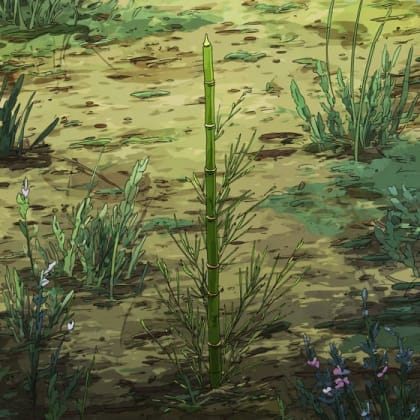
The Himalayan Honeysuckle has arching, hollow green stems and pointed, mid-green leaves. It produces striking drooping clusters of small white flowers encased by showy, deep purple-red bracts, making it visually distinct from true honeysuckles.
カテゴリ
植物レア度
Common
危険度
0/5 · 危険なし
スナップ
最初にスナップしよう!
Despite its common name, it isn't a 'true' honeysuckle; it belongs to a different plant family!
Its vibrant purple-red bracts are actually modified leaves that help attract pollinators!
The berries are often called 'Pheasant Berries' because game birds, like pheasants, absolutely love to eat them!
This plant can grow super fast, sometimes reaching its full height in just a single growing season!
Himalayan Honeysuckle produces edible, dark purple berries that provide food for birds, helping it spread its seeds far and wide.
Its vibrant purple-red bracts are modified leaves that attract pollinators like bees and butterflies, ensuring successful reproduction.
This plant grows quickly, establishing itself well in various environments, which helps it compete for sunlight and resources.
Phasianus colchicus
Feeds on its ripe berries, aiding seed dispersal.
Apis mellifera
Visits flowers to collect nectar and pollen.
Turdus merula
Consumes the sweet berries, helping with seed dispersal.
危険度
0/5 · 危険なし
The berries are safe to eat, but always ask an adult first!
100-200 cm
100-150 cm
1-2 cm
Late summer to early autumn
はい
なし
多年生
昆虫
ズームインしてクラスターを分割し、このオブジェクトが撮影された場所を探索しましょう。
新しい観察が追加されると、ここに最近のスナップが表示されます。