.jpg&width=800)





Hippocampus Abdominalis
hippocampus abdominalis
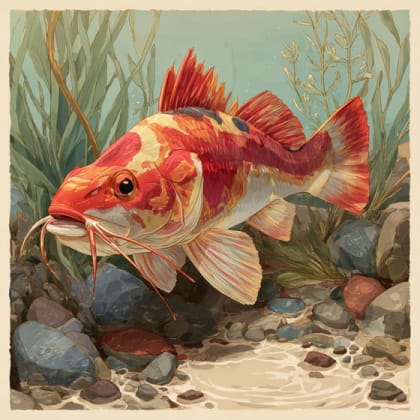
The Hippocampus Abdominalis, also known as the big-belly seahorse, has a unique shape that makes it look like it's wearing armor! These fascinating creatures can change color to blend in with their surroundings, making them great at hide-and-seek!
生息地: They live in shallow waters, often among seagrass beds and coral reefs.
The Hippocampus Abdominalis is notable for its large, rounded belly, giving it a pot-bellied appearance. Its coloration varies widely, often displaying yellows, browns, greys, or even mottled patterns, allowing it to blend seamlessly. Some individuals also have fleshy filaments on their bodies.
カテゴリ
魚類レア度
Common
危険度
0/5 · 危険なし
スナップ
最初にスナップしよう!
Big-belly seahorses suck up tiny food like a vacuum cleaner using their long, tubular snout!
Each big-belly seahorse has a unique crown-like coronet on its head, just like a human fingerprint!
Instead of scales, their bodies are covered in bony plates, making them surprisingly tough!
They have eyes that can move independently, letting them look forward and backward at once!
Hippocampus Abdominalis can carry and nurture hundreds of eggs in a special abdominal pouch because of their unique male pregnancy.
Hippocampus Abdominalis can change their skin color and grow fleshy filaments that help them blend with surroundings to avoid predators.
Hippocampus Abdominalis has a prehensile tail that helps them cling firmly to seagrass or coral, preventing them from being swept away.
Big-belly seahorses slurp up tiny live prey like crustaceans from the water.

Zostera capricorni
Hides among blades for safety and to ambush prey.
Anguilla australis
Larger eels occasionally prey on seahorses in their habitat.
Acartia clausi
They ambush and suck in these tiny crustaceans for food.
危険度
0/5 · 危険なし
まだ特別な安全上の注意はありません。
15-35 cm
0.05-0.25 kg
3-5 年
Big-belly seahorses slurp up tiny live prey like crustaceans from the water.
0.002 km/h
They live in shallow waters, often among seagrass beds and coral reefs.
Ambush
50 m
ズームインしてクラスターを分割し、このオブジェクトが撮影された場所を探索しましょう。
新しい観察が追加されると、ここに最近のスナップが表示されます。