



Honey Locust
Gleditsia triacanthos
The Honey Locust tree has thorns and sweet pods that animals love to eat. Its leaves turn a beautiful golden color in the fall, making it a lovely sight in parks and gardens.
生息地: Parks, Gardens
The Honey Locust has sharp, often branched thorns on its trunk and branches, making it visually distinct. Its delicate, fern-like leaves turn golden in autumn, and it produces long, flattened, purplish-brown seed pods.
カテゴリ
樹木レア度
Common
危険度
2/5 · 低い
スナップ
最初にスナップしよう!
Ancient animals like mammoths might have helped spread Honey Locust seeds!
Early settlers used Honey Locust thorns as needles and nails!
Its wood is very hard, once used for fence posts and furniture!
Some Honey Locust varieties are thornless, perfect for parks!
Honey Locust has fierce, sharp thorns that help it defend against hungry plant-eaters trying to munch on its tender branches.
Honey Locust produces sweet, edible pods that attract animals, helping spread its seeds far and wide to grow new trees.
Honey Locust has incredibly tough roots that help it survive in dry soil and even polluted city environments.
Dasineura gleditschiae
larvae cause galls on leaves
Procyon lotor
consumes sweet seed pods, aiding dispersal
Quercus alba
often grows alongside in native woodlands
Colaptes auratus
often nests in cavities or branches
危険度
2/5 · 低い
Watch out for the thorns on the Honey Locust tree and avoid touching them.
15-30 m
10-15 m
はい
60-90 cm
80-120 年
Parks, Gardens
Legume pod
速い
ズームインしてクラスターを分割し、このオブジェクトが撮影された場所を探索しましょう。
新しい観察が追加されると、ここに最近のスナップが表示されます。
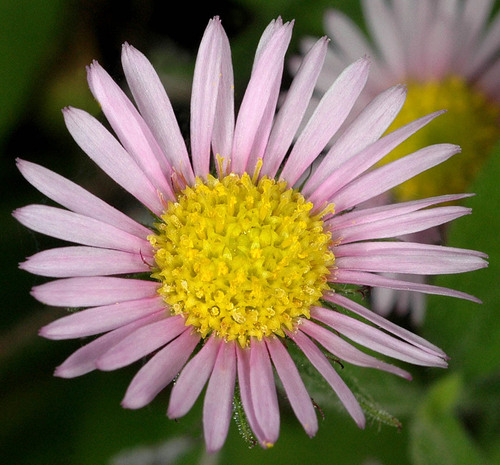
Pennsylvania, US
ここで見られるかも Fleabanes and Horseweeds, Honey Locust と アメリカイチモンジ.
ガイドを見る →
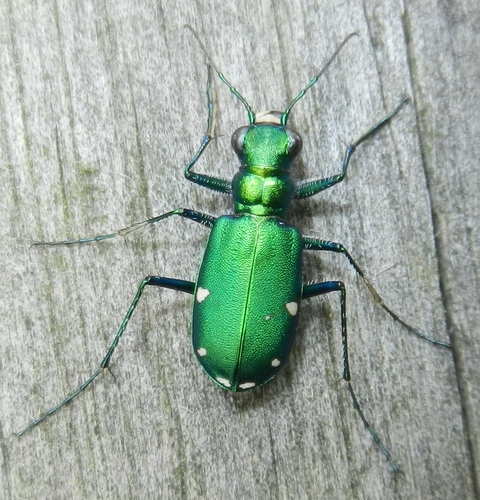
Indiana, US
ここで見られるかも Six-Spotted Tiger Beetle, Garlic Mustard と ハゲワシ.
ガイドを見る →
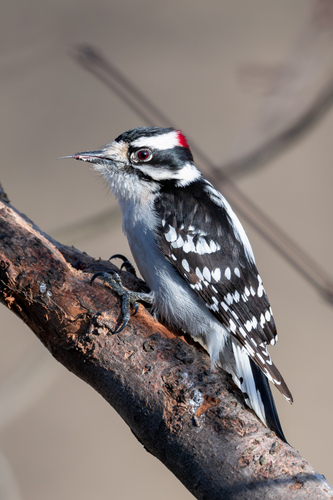
Illinois, US
ここで見られるかも セジロコゲラ, コマツグミ と アメリカガラス.
ガイドを見る →
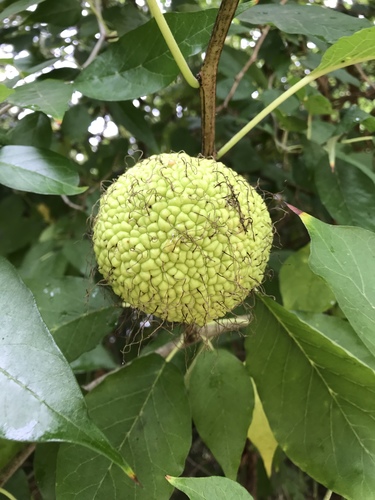
Virginia, US
ここで見られるかも Osage-Orange, Willow Oak と ヤマボウシ.
ガイドを見る →

Maryland, US
ここで見られるかも Bufflehead, Common Goldeneye と カモ.
ガイドを見る →
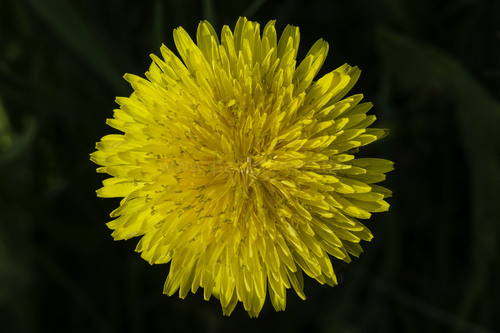
Colorado, US
ここで見られるかも Common Dandelion, リンゴの木 と Dwarf Mallow.
ガイドを見る →