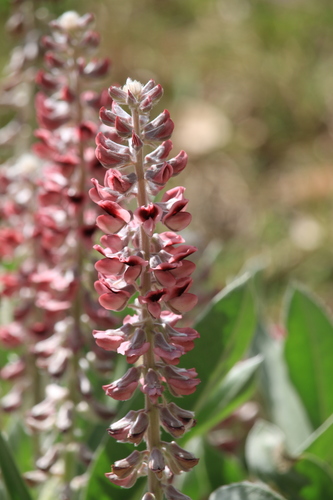


Lady Lupine
lupinus villosus
Lady Lupine (Lupinus villosus) is a captivating wildflower native to the southeastern United States, cherished for its striking appearance and ecological importance. This annual or biennial plant stands out with its densely hairy stems and leaves, giving it a soft, velvety texture, and culminating in magnificent spikes of vibrant purple-blue flowers. Beyond its aesthetic appeal, Lady Lupine plays a crucial role in its ecosystem as a pioneer species, improving soil quality through nitrogen fixation and providing nectar for pollinators. Its robust nature allows it to thrive in nutrient-poor, sandy soils, making it a resilient and valuable component of coastal plain habitats.
生息地: Found predominantly in dry, sandy soils of pine flatwoods, open woodlands, fields, and along roadsides, particularly in the coastal plains.
Lady Lupine is easily recognized by its robust, upright stems, typically growing 30-70 cm tall, which are covered in soft, shaggy hairs, giving the plant a distinctive fuzzy appearance. Its palmate leaves are also densely hairy, composed of 7-11 narrow leaflets arranged in a star-like fashion. The showy flowers are arranged in dense, terminal spikes, usually a rich purple-blue hue, though occasionally pinkish or white, each pea-like blossom featuring a prominent yellow spot on its banner petal. These striking flower spikes, combined with its overall hairy texture, make it quite identifiable.
カテゴリ
植物レア度
Common
危険度
1/5 · 非常に低い
スナップ
最初にスナップしよう!
Its seeds are often toxic if ingested in large quantities due to alkaloids, a common defense mechanism among lupines.
Lady Lupine is often an important component of longleaf pine savannah ecosystems, thriving in the sandy soils and open conditions maintained by frequent fires.
The dense hairs on its stems and leaves serve a practical purpose, helping to protect the plant from harsh sun and reduce water loss in its dry habitats.
The genus name "Lupinus" comes from the Latin word "lupus," meaning wolf, likely because ancient Romans believed lupines "wolfed" nutrients from the soil, though we now know they actually enrich it with nitrogen!
Lady Lupine, like other legumes, forms a symbiotic relationship with soil bacteria (Rhizobia) that convert atmospheric nitrogen into a usable form, enriching the soil for itself and surrounding plants.
Its deep root system and hairy leaves help reduce water loss, allowing it to thrive in dry, nutrient-poor sandy soils where many other plants struggle.
Once mature, its fuzzy seed pods dry out and can forcefully twist or "explode" open, flinging seeds a considerable distance from the parent plant.
Lady Lupine produces its own food through photosynthesis, converting sunlight, water, and carbon dioxide into sugars for energy and growth. It also absorbs essential nutrients from the soil.
Xylocopa virginica
Pollination
Odocoileus virginianus
Herbivory
Rhizobium leguminosarum
Symbiosis in nitrogen fixation
このオブジェクトにはまだ特徴バッジが割り当てられていません。
まだ別名はありません。
テーマが追加されると、このオブジェクトのコレクションがここに表示されます。
危険度
1/5 · 非常に低い
まだ特別な安全上の注意はありません。
Lady Lupineを識別する最も簡単な方法は、Snappit自然識別アプリを使用することです。
30-70 cm
1-2 年
Lady Lupine produces its own food through photosynthesis, converting sunlight, water, and carbon dioxide into sugars for energy and growth. It also absorbs essential nutrients from the soil.
Found predominantly in dry, sandy soils of pine flatwoods, open woodlands, fields, and along roadsides, particularly in the coastal plains.
Photosynthesis
ズームインしてクラスターを分割し、このオブジェクトが撮影された場所を探索しましょう。
新しい観察が追加されると、ここに最近のスナップが表示されます。









.jpg&width=800)