

Lewis'S Moon Snail
neverita lewisii
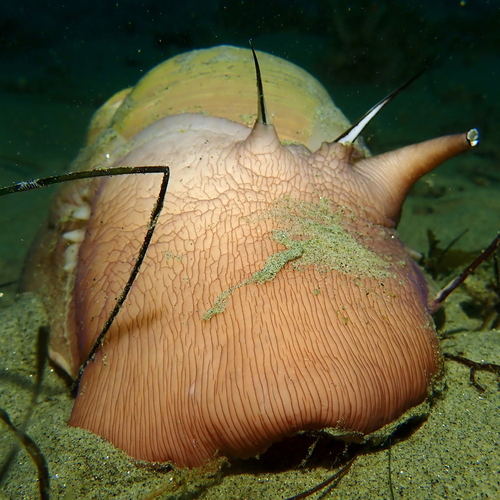
Lewis's Moon Snail (Neverita lewisii) is a true giant of the intertidal world, holding the title of the largest species of moon snail on Earth. Native to the sandy beaches and muddy bays of the Northeast Pacific, this predatory marine gastropod is best known for its remarkably large, muscular foot. When expanded, this foot allows the snail to glide effortlessly over and beneath the seafloor in search of prey, acting like a plow. Yet, should danger arise, the snail can expel water from pores along the foot, shrinking it down completely to retract within its heavy, globose shell, sealing the opening with a tough horny door called an operculum.
生息地: Found in sandy or muddy intertidal and shallow subtidal zones along coastal beaches, bays, and estuaries.
The shell of Lewis's Moon Snail is large, heavy, and globose, typically measuring 8 to 15 centimeters in diameter with a smooth, creamy-white to yellowish-brown or pale grey coloration marked by fine growth lines. In life, the most striking feature is its massive, fleshy, grayish-brown foot, which can extend to cover the entire shell. A thick, brown, horn-like operculum seals the shell's aperture when the snail retreats inside.
カテゴリ
Invertebrateレア度
Common
危険度
1/5 · 非常に低い
スナップ
最初にスナップしよう!
A single sand collar can contain up to hundreds of thousands of individual eggs, which hatch into free-swimming planktonic larvae.
The characteristic 'sand collar' egg case is often mistaken by beachgoers for industrial rubber trash or a discarded piece of plastic.
To retreat back inside its protective shell, the moon snail must squeeze out water from special pores in its foot, essentially deflating itself.
Utilizes seawater to pump up its muscular foot to several times its shell's volume, facilitating efficient burrowing and locomotion.
Employs an accessory boring organ to secrete acids that soften prey shells, allowing its raspy radula to drill a neat circular hole.
Mixes sand grains with mucus to create a unique, flexible collar-shaped structure that safely houses and protects its eggs.
They are active predators of bivalves, locating them under the sand and using their radula to drill into the shells to consume the soft tissue inside.
年齢による違い: Juveniles may feed on microscopic algae and small detritus, but rapidly shift to hunting small bivalves as they mature.
Saxidomus gigantea
Preys actively on this common bivalve by drilling a precise hole in its shell.
Pycnopodia helianthoides
The moon snail is actively hunted and consumed by this multi-armed sea star.
Siliqua patula
Commonly targeted prey which the snail stalks and drills under sandy substrates.
このオブジェクトにはまだ特徴バッジが割り当てられていません。
まだ別名はありません。
テーマが追加されると、このオブジェクトのコレクションがここに表示されます。
危険度
1/5 · 非常に低い
まだ特別な安全上の注意はありません。
Lewis'S Moon Snailを識別する最も簡単な方法は、Snappit自然識別アプリを使用することです。
800000015+ cm
0.2+ kg
500000014+ 年
They are active predators of bivalves, locating them under the sand and using their radula to drill into the shells to consume the soft tissue inside.
Found in sandy or muddy intertidal and shallow subtidal zones along coastal beaches, bays, and estuaries.
Foraging
100000010000000+
ズームインしてクラスターを分割し、このオブジェクトが撮影された場所を探索しましょう。
新しい観察が追加されると、ここに最近のスナップが表示されます。

Washington, US
ここで見られるかも Ochre Sea Star, ペインテッドアネモネ と Aggregating Anemone.
ガイドを見る →
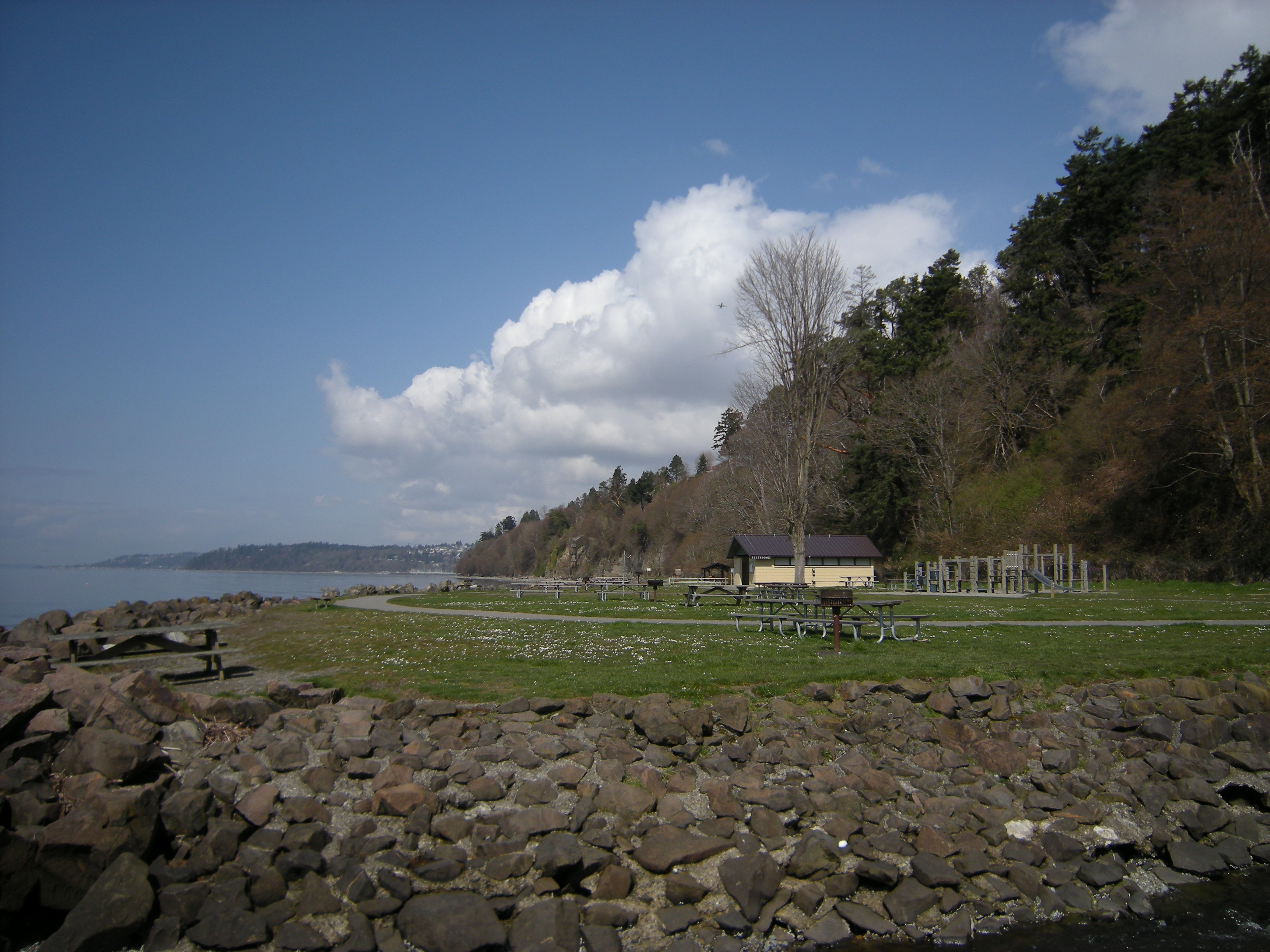
Washington, US
ここで見られるかも オオバカエデ, Western Redcedar と Aggregating Anemone.
ガイドを見る →
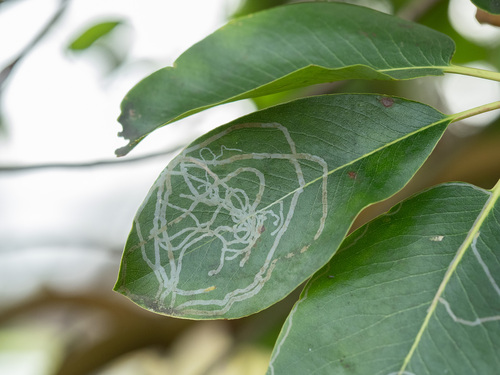
Washington, US
ここで見られるかも マドローネスキンマイナー, パシフィックマドロン と Western Redcedar.
ガイドを見る →

Washington, US
ここで見られるかも Aggregating Anemone, Red Rock Crab と オリンピックカモメ.
ガイドを見る →

Washington, US
ここで見られるかも ベニカノコソウ, オーシャンスプレー と Yellow Shore Crab.
ガイドを見る →