
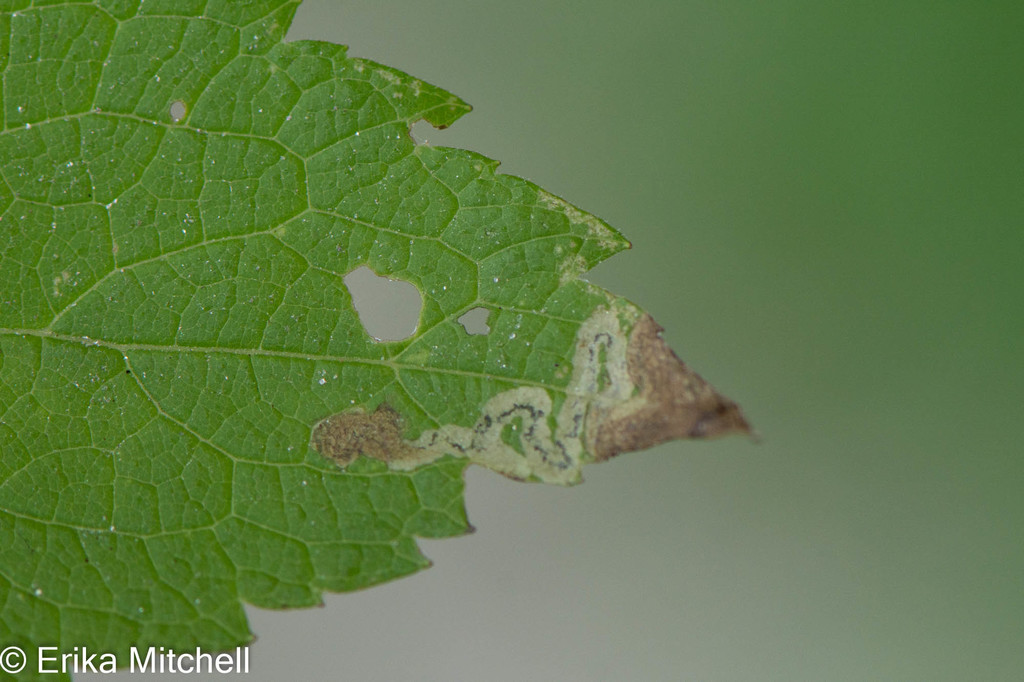





Liriomyza cracentis
Liriomyza cracentis
The Liriomyza cracentis is a tiny fly that loves to munch on plant leaves. They make little tunnels in the leaves, which can look like tiny mazes. These flies are important for nature because they help plants grow strong.
生息地: Urban areas, gardens
The Liriomyza cracentis is a tiny, dark-bodied fly, often appearing black or dark gray with subtle yellow markings, especially on its head or thorax. It has clear, delicate wings and short antennae. Its minute size makes it difficult to spot without close examination.
カテゴリ
昆虫レア度
Common
危険度
1/5 · 非常に低い
スナップ
最初にスナップしよう!
Leaf miners create unique squiggly patterns on leaves, like tiny secret maps!
Mom flies make tiny feeding punctures, but only one egg per puncture is laid.
Their intricate leaf tunnels are called 'mines' and can be seen from outside the leaf!
They develop so quickly, they can complete their entire life cycle in just two weeks!
Liriomyza cracentis larvae can tunnel through leaves because of their specialized mouthparts that help them chew and create winding 'mines' inside plant tissue.
Adult female Liriomyza cracentis can puncture plant leaves with their ovipositor to feed on nutritious sap, which helps them gain energy for egg-laying.
Tiny plant eaters, their larvae munch inside leaves while adults sip plant sap and nectar.
年齢による違い: Larvae feed exclusively on the internal tissues of host plant leaves, while adults primarily consume plant sap and some nectar.

Lactuca sativa
larvae tunnel within leaves causing damage to crops

Helianthus annuus
larvae create characteristic mines inside the leaves
Diglyphus isaea
wasp larvae develop inside or on the leaf miner larvae
Orius insidiosus
predatory bugs feed on leaf miner adults and larvae
まだ別名はありません。
危険度
1/5 · 非常に低い
These flies are not harmful to people, but it's best to leave them alone in nature.
2-4 mm
1-3 mm
15-30 日
Tiny plant eaters, their larvae munch inside leaves while adults sip plant sap and nectar.
Urban areas, gardens
Foraging
6
ズームインしてクラスターを分割し、このオブジェクトが撮影された場所を探索しましょう。
新しい観察が追加されると、ここに最近のスナップが表示されます。

















