






Little Blue Heron
Egretta caerulea
The Little Blue Heron is a beautiful bird with striking blue feathers. It loves to wade in shallow waters to catch fish and other tasty treats. Watching them hunt is a fun sight!
生息地: Wetlands
The Little Blue Heron is a medium-sized heron, distinctively recognized by its slate-blue plumage, often with a purplish head and neck. Juveniles are entirely white, providing excellent camouflage before molting into their adult colors. It has dull greenish legs and a bicolored bill with a dark tip.
カテゴリ
鳥類レア度
Common
危険度
1/5 · 非常に低い
スナップ
最初にスナップしよう!
Little Blue Herons often nest in big groups with other heron species.
Their calls can sound like a harsh, throaty 'schaaah', quite surprising!
They sometimes hunt at night, using their great night vision!
Watch them fluff their head feathers when they feel excited or threatened!
Little Blue Heron has a unique color transformation, starting white and turning blue, that helps it adapt to different hunting environments as it matures.
Little Blue Heron can slowly stalk its prey and stand perfectly still for long periods, which helps it ambush unsuspecting fish and amphibians.
Little Blue Heron can gently stir the water with its foot, which helps to startle hidden prey and bring them closer for an easy catch.
Little Blue Heron has long legs and toes that help it wade in shallow waters without sinking, reaching prey others cannot.
Little Blue Herons mainly eat small aquatic animals, catching them with their sharp bills!
年齢による違い: Juveniles may focus on easier-to-catch insects and tadpoles before tackling larger fish.
Alligator mississippiensis
Adults can be prey for large alligators.
Gambusia affinis
They are a primary food source in many habitats.
%2C_Vorderansich.jpg&width=800)
Lithobates sphenocephalus
Frogs and their tadpoles are common prey items.

Rhizophora mangle
They often nest and roost among mangrove trees.

Ardea alba
Often nests in mixed colonies, benefiting from shared vigilance.
羽毛に覆われている動物(主に鳥類)を指します。
単独行動をとる動物は、繁殖や子育ての時を除き、生涯のほとんどを1匹で生活します。
カラフルとは、生物や物体が明るくはっきりとした多様な色合いを見せることを指します。
魚食性の生物とは、主に魚を食べて生活している動物のことです。

待ち伏せ捕食者は、辛抱強く身を潜めて待ち、気付かずに獲物が射程圏内に入ったときに突然攻撃を仕掛けて狩りをします。

この生息地特性は、湿地(年間を通して、または季節的に水に浸かっている沼や湿原などの土地)で見られる種を示します。

その存在と役割が環境に対して極めて大きな影響を与える種を指します。

昼行性の動物は主に日中に活動し、通常は夜間に休息や睡眠をとります。
まだ別名はありません。
危険度
1/5 · 非常に低い
Always watch birds from a distance and never try to touch or catch them.
56-76 cm
102-106 cm
0.3-0.4 kg
5-10 年
35 km/h
Little Blue Herons mainly eat small aquatic animals, catching them with their sharp bills!
Wetlands
Ambush
ズームインしてクラスターを分割し、このオブジェクトが撮影された場所を探索しましょう。
新しい観察が追加されると、ここに最近のスナップが表示されます。
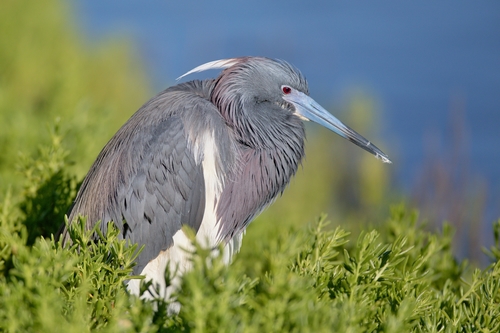
Florida, US
ここで見られるかも Tricolored Heron, Roseate Spoonbill と Wood Stork.
ガイドを見る →
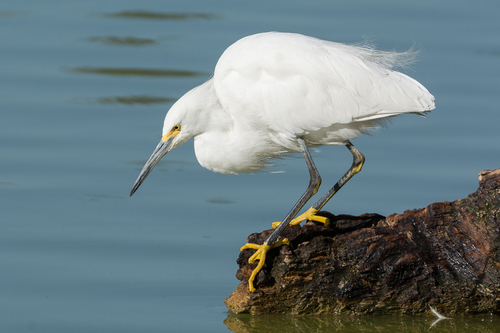
Florida, US
ここで見られるかも Snowy Egret, カッショクペリカン と Boat-Tailed Grackle.
ガイドを見る →
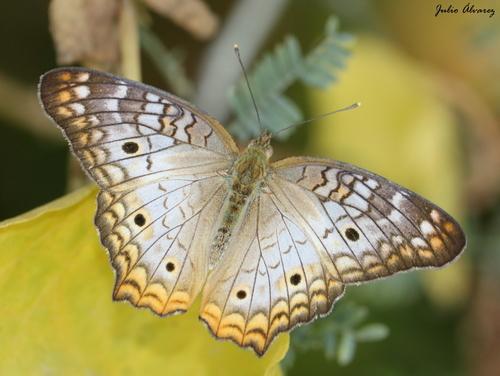
Florida, US
ここで見られるかも White Peacock, Trailing Daisy と オオアオサギ.
ガイドを見る →
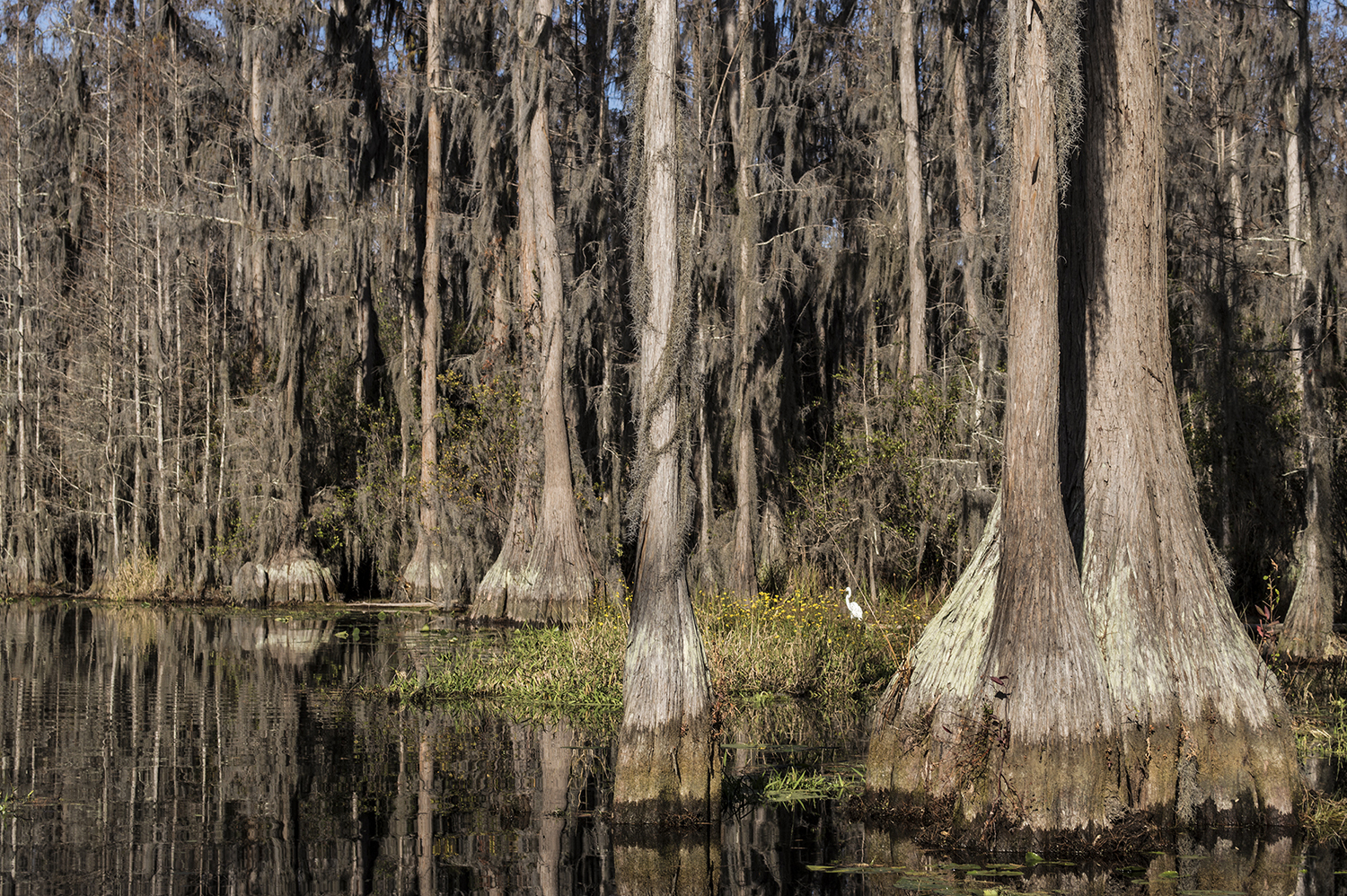
Georgia, US
ここで見られるかも アメリカアリゲーター, オジロジカ と グリーンアノール.
ガイドを見る →

District of Columbia, US
ここで見られるかも Grevy's Zebra, Eastern Long-Necked Turtle と Sitatunga.
ガイドを見る →
Florida, US
ここで見られるかも Oaks, ラクウショウ と Virginia Creeper.
ガイドを見る →









%2C_Playa_de_Boulders%2C_Simon%27s_Town%2C_Sud%C3%A1frica%2C_2018-07-23%2C_DD_11.jpg&width=800)

