






Long-winged Conehead
Conocephalus fuscus
The Long-winged Conehead is a special grasshopper with long wings and a funny cone-shaped head! They love to hop around in grassy areas and make chirping sounds, especially in the summer.
生息地: Grasslands
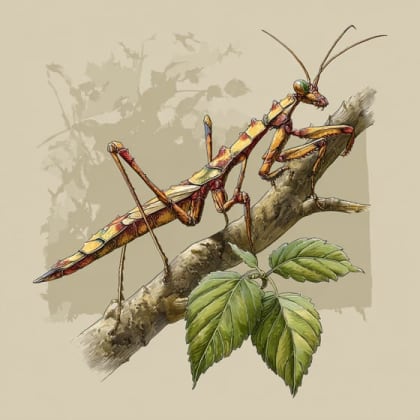
The Long-winged Conehead is a slender insect, typically bright green, though some can be brownish. It has extremely long, narrow wings that stretch far beyond its abdomen and surprisingly long, thread-like antennae that are often longer than its body.
カテゴリ
昆虫レア度
Common
危険度
1/5 · 非常に低い
スナップ
最初にスナップしよう!
Female Coneheads have a sword-like part to safely lay eggs inside plant stems.
Its antennae can be many times longer than its entire body, like super-long feelers!
Males rub wings, like a violin, making a faint buzzing song to attract mates.
Unlike crickets, these katydids mostly sing during the day, making them daytime musicians!
Long-winged Conehead has a slender, green body that helps them blend perfectly into tall grasses, making them almost impossible to spot.
Long-winged Conehead can rub its wings together to make a high-pitched buzzing song, which helps them find a mate in the dense vegetation.
Long-winged Conehead has strong, muscular hind legs that help them jump quickly and far to escape from hungry predators.
Long-winged Conehead has extremely long antennae that help them feel their surroundings and detect food or danger in the dark.
This insect munches on grass and other plants, helping keep meadows tidy.
Turdus merula
Blackbirds enjoy eating these protein-rich insects found in meadows.
Araneus diadematus
Spiders often trap them in their sticky webs stretched between plants.
Poa pratensis
They munch on bluegrass and other common meadow grasses and sedges.
Festuca rubra
These insects also feed on red fescue, a widespread grass species.
まだ別名はありません。
危険度
1/5 · 非常に低い
It's best to watch insects from a distance and not touch them, as they can be delicate.
20-45 mm
13-22 mm
60-90 日
This insect munches on grass and other plants, helping keep meadows tidy.
Grasslands
Foraging
6
ズームインしてクラスターを分割し、このオブジェクトが撮影された場所を探索しましょう。
新しい観察が追加されると、ここに最近のスナップが表示されます。
















.jpg&width=800)